
Last updated November 16, 2026
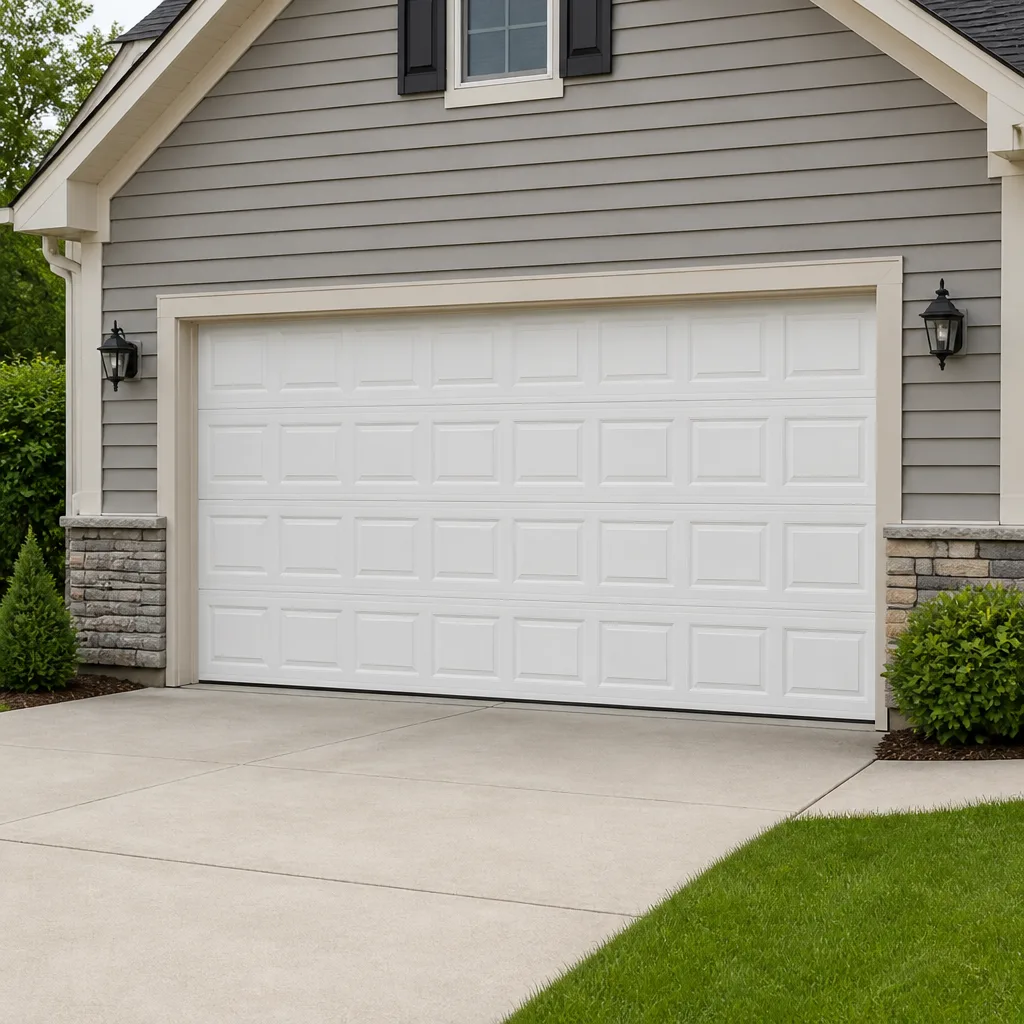 Raised-panel steel
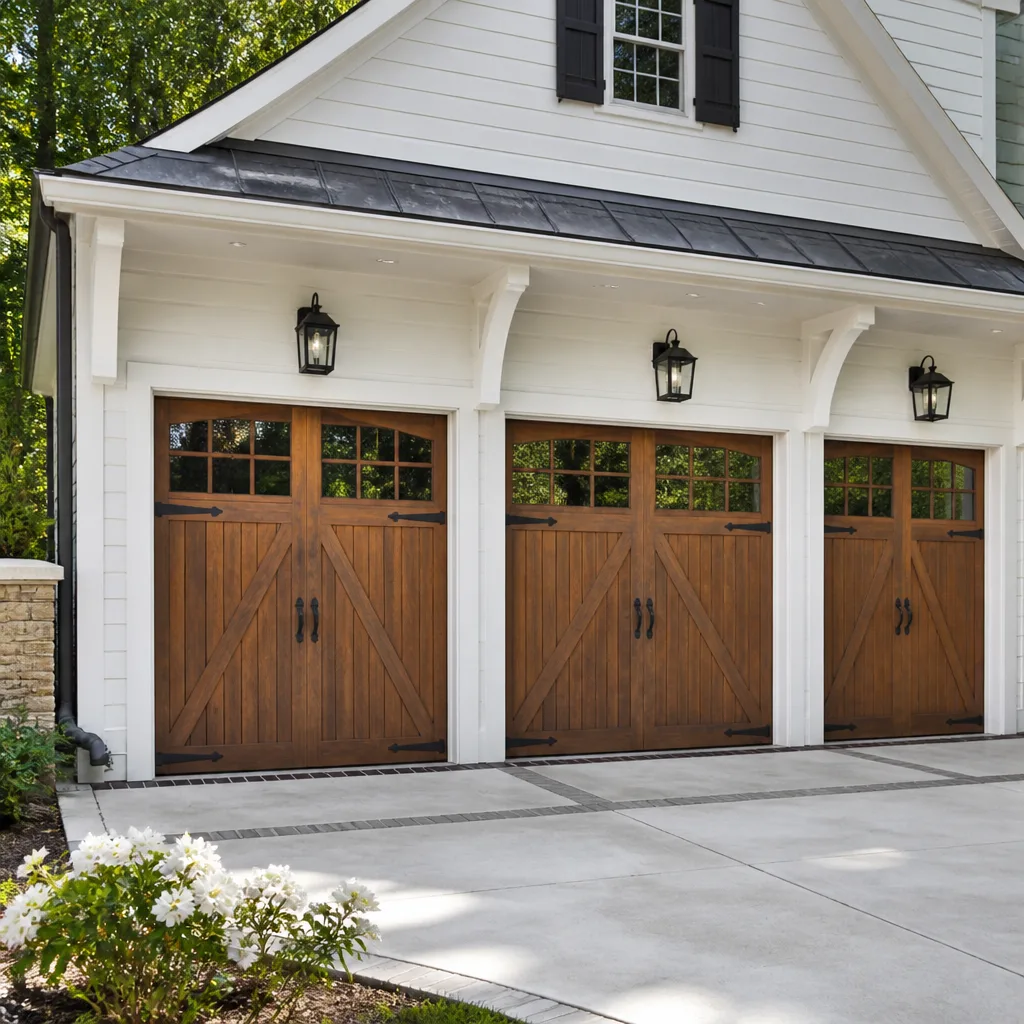 Carriage house
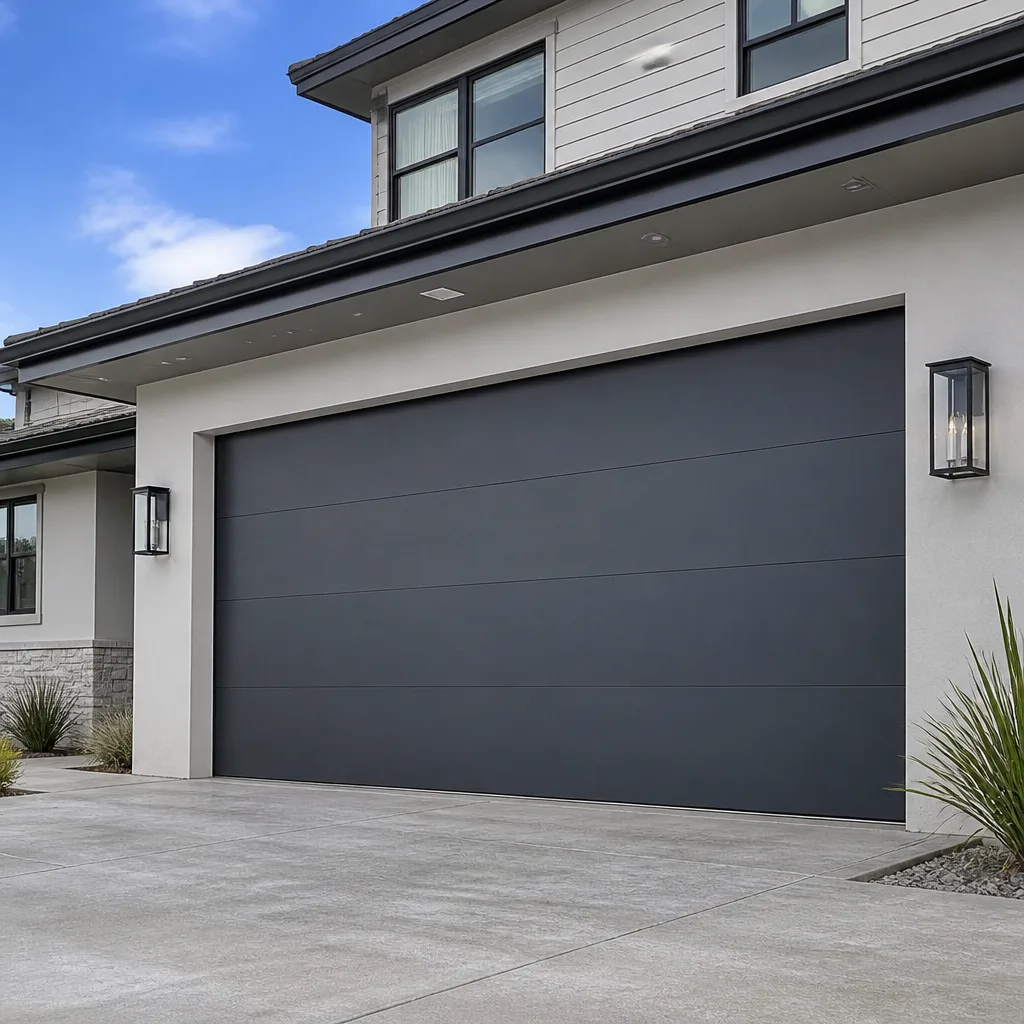 Modern flush
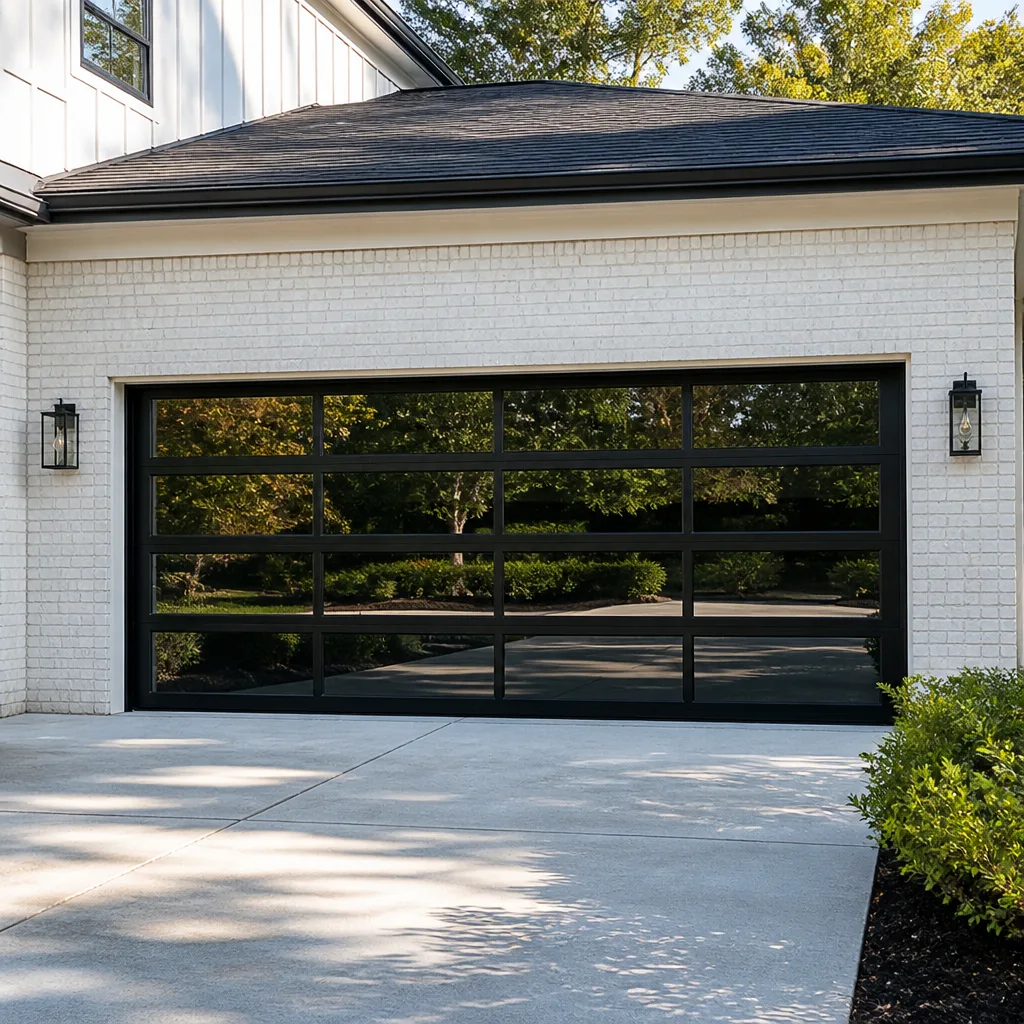 Full-view glass
 LiftMaster openers
 Chamberlain openers
Full 25-point door and opener safety check with every visit - springs, cables, rollers, tracks, and your LiftMaster or Chamberlain opener included
You get a price before we start. It does not change when the pro arrives.
Get your free estimateGarage Door Emergency Preparedness Guide for Alexandria Homes
Most homeowners think about their garage door only when it stops working. That’s backwards. The time to prepare is before the ice storm, before the derecho wind event, before the moment a car or a fallen limb meets the door. The parts of your system that decide whether an emergency stays a nuisance or turns into a week of parked cars in the driveway are cheap, accessible, and testable right now. This guide walks Alexandria homeowners through the checks, the manual-release procedure, the battery-backup math, and the post-impact decisions that actually matter. It’s a pre-event plan, and you can work through most of it in a single afternoon.
Quick Answer
A garage door emergency in Alexandria almost always comes down to one of two situations: a power outage that leaves the opener dead, or physical damage from a vehicle, debris, or wind. To be ready, you need three things working before either happens: a spring system in good repair, a tested manual release you know how to use, and a battery backup on your opener if you’re in a frequent-outage area. Anyone who can walk you through your specific opener model can help you verify all three.
Styles & brands we work with
- Raised-panel steel
- Carriage house
- Modern flush
- Full-view glass
- LiftMaster openers
- Chamberlain openers
Table of Contents
- Why Alexandria Homes Face Predictable Garage Door Emergencies
- How Do You Use the Manual Release on Your Garage Door?
- Does Your Opener Have Battery Backup Before Ice Season?
- What Do You Do When the Door Is Stuck Open?
- What to Do Right After Impact or Storm Damage
- Pre-Storm Hardware Checks That Reduce Failure Risk
- When the Problem Needs a Professional
- Frequently Asked Questions
Why Alexandria Homes Face Predictable Garage Door Emergencies
Alexandria’s weather doesn’t produce random garage door failures. It produces two reliable patterns, and both are things you can plan for.
The first pattern is the extended power outage. Ice storms and high-wind events in this part of Northern Virginia come with infrastructure damage that can leave neighborhoods dark for days at a stretch. When the grid goes down, every opener without a battery backup becomes a dead weight, and a garage that was secure five minutes earlier is now a doorway you can’t open and can’t lock.
The second pattern is impact damage. Wind-blown limbs, falling tree sections, a car backing a little too far in a tight Alexandria driveway or alley. When a door panel takes a hit, the decision that matters most isn’t who to call. It’s whether to run the door at all.
The homes most exposed to the outage pattern are the ones with a single-car or two-car garage where the door is the family’s only vehicle exit. That’s common in older Alexandria neighborhoods close to the Potomac, and it’s true of newer builds farther west too. The fix is the same either way: know your system before you need it.
How Do You Use the Manual Release on Your Garage Door?
Every residential opener in Alexandria has a manual release, and it works the same way across most of the brands you’ll find here. The sequence matters, and getting it wrong is the most common mistake.
The release is a red or brightly colored cord (sometimes a handle) that hangs from the trolley, the carriage that rides along the opener’s rail. Pulling the cord disconnects the trolley from the arm attached to the door. After that, a door held by working springs will move by hand. The mistake is pulling that cord while the door is still attached to the opener under load.
Step-by-step: Using the Manual Release Safely
- Make sure the door is fully closed before you pull the cord. If the door is partially open and you disconnect it, the springs will slam it down. That’s a serious hazard.
- Stand clear of the door’s path. You’ll want to see the door and the rail, but not be under either.
- Pull the cord down and toward you with a firm, single pull. You should feel the trolley release.
- Test the door by hand. Lift it a few inches. It should feel heavy but manageable. If it’s too heavy to lift or it falls back down fast, the springs are compromised. Stop using the door and call for service.
- Re-engage the trolley when power returns. With the door fully closed, pull the cord again to reset the trolley. Then run the opener through one cycle to confirm it reconnected.
Model-specific notes for common Alexandria openers
LiftMaster and Chamberlain units (which share the same basic design) locate the release cord near the rail’s trolley on the door side. The cord is usually a nylon rope with a plastic grip. If the trolley connection hasn’t been checked in a while, the release can feel stiff; a small amount of pressure is normal, but if it won’t budge, don’t force it.
Genie openers vary a little more by decade. Some models use a hard handle rather than a rope, and some older installations put the release near the front of the unit. On a Genie, find the cord or handle and check how it’s attached before the day you need it. The worst time to discover you don’t know where it is is during a blackout.
If your opener is a Craftsman or another brand covered by the same accessories, the procedure is the same, but check the trolley type. If you’re ever unsure, having a technician walk you through your exact model is worth the fifteen minutes. Our garage door opener repair page covers the technical side of opener failures if you want deeper troubleshooting.
Does Your Opener Have Battery Backup Before Ice Season?
If you can open your door with a battery instead of a cord, do it. Battery backup turns a multi-day power outage into a manageable inconvenience. The question is which openers have it, and which need an add-on.
Some LiftMaster and Chamberlain units ship with a built-in battery backup, typically a small rechargeable battery pack that fits inside the head unit. Some Genie models offer an add-on backup accessory that installs on the back of the opener. Craftsman models can vary; whether your specific unit supports it depends on the year and model. The fastest way to know is to look at the opener unit itself for a battery compartment or a small LED test button, or to look up your model number on the manufacturer’s site.
How to test your backup before the season
- Find the test button. Most battery-backup-equipped openers have a button on the unit that simulates a power failure. Pressing it runs the door on battery power.
- Run the door through a full open-and-close cycle. Watch for slow travel, hesitation, or a door that won’t fully close. Any of these means the battery is weak.
- Listen for short beeps. Many units alert you when the battery is low. If you hear beeping, the pack needs attention.
- Check the battery age. Most backup batteries last a few years. If you don’t know how old yours is, start with a fresh one.
- Test again a month before winter. Batteries lose capacity in cold weather. A test in late autumn is more meaningful than one in July.
If your opener doesn’t have backup, adding it can be as simple as a compatible battery pack on a supported model, or a full upgrade on an older opener that’s ready to be replaced. Having a technician confirm what your unit supports takes the guesswork out. Our garage door opener repair page covers how we diagnose and repair all the major opener brands.
What Do You Do When the Door Is Stuck Open?
A door that won’t close isn’t just inconvenient. It’s an open doorway. When the power is out and your door is stuck open, you need to secure the garage within the hour, not the week. Here’s what works.
First, understand the difference. A door stuck open because the opener is dead is different from a door stuck open because the lock or the opener’s travel limits have failed. If the door is fully up and the trolley is engaged, pulling the manual release and lowering it by hand is the safest option, provided the springs are sound. If the door is balanced and you can lower it by hand, do that, and then apply a temporary lock.
Temporary security options that actually work
- A c-clamp on the track above a roller. Place it so the door can’t be lifted upward. This is one of the most reliable improvised locks.
- A slide bolt or a heavy-duty barrel bolt. Installed through the door’s inner frame and the track, it’s a better long-term fix than anything improvised.
- A portable door-blocking bar. Placed under the door’s leading edge on the inside, it resists upward opening and can be removed when the system is repaired.
- For a manual-locking door, use the slide bar you already have. Many older doors have a manual slide bolt inside. If the door is secured with it, you’re already covered.
Never wedge the door with a stool or a chair as a long-term solution. Those will slip. If you’ve lost power and the door is open, get a clamp on the track as a first step, then arrange for a technician to check the opener’s travel limits once power is restored. If the door itself is damaged, see the next section before you run it.
What to Do Right After Impact or Storm Damage
When a limb, a car, or a very bad parking job hits the door, the next ten minutes matter. The single most important decision is whether the door is safe to operate. The answer is usually no, and running it anyway can turn a bent panel into a twisted torsion system or a torn opener.
The three damage categories and what they mean
- Cosmetic damage only. A dent or scuff with no change to the door’s movement, no visible bend in the tracks, and no stress on the spring. This is safe to operate while you wait for an estimate.
- Structural damage you can see. A bent panel that’s dragging, a track that’s out of alignment, a bottom section that’s come off its rollers, or a spring that looks stretched. Stop using the door and leave it in the position it’s in, if that’s safe.
- Damage that blocks the door’s path. A fallen limb or debris in the tracks, or a panel that’s bent into the opening. Don’t try to force the door either way. Call for help and secure the garage.
How to document damage for an insurance claim
- Photograph the damage before you touch anything. Wide shots of the whole door and close-ups of the impact area, the track, and the opener head. Include the surrounding areas if debris is visible.
- Photograph the surrounding context. The limb on the ground, the dented bumper, or the fallen section of fence. Context matters for proving cause.
- Write down the time and what happened. A quick note in your phone with a date stamp is enough.
- Get a written estimate from a garage door professional. Most insurers want a professional assessment with the claimed damage itemized. Ask for the estimate in writing.
- Save your receipt and photos in one place. An email folder or a cloud album is fine. You’ll want it accessible if the claim moves forward.
If a car or truck is involved, note the other party’s information and any witness details before anything moves. Then call a professional to assess the door. Paragon Garage Door Repair offers free estimates in Alexandria, and our garage door repair service covers everything from a single panel replacement to full track realignment.
Pre-Storm Hardware Checks That Reduce Failure Risk
These checks take fifteen minutes, and doing them before a forecast high-wind event makes the difference between a door that quietly survives the storm and one that fails the moment the wind picks up. They are inspection-only. Never attempt to adjust a spring or a cable yourself.
Note: a trained professional should do any adjustment of springs, cables, or track alignment. The checks below are visual only. If you see anything that concerns you, stop and call.
1. Check the bottom seal
Run your hand along the rubber strip on the bottom of the door. If it’s cracked, torn, or missing sections, it’s not doing its job. A compromised seal lets wind-driven rain and pests in, and it can also affect the opener’s ability to sense a close. Replace the seal if it’s failing; it’s a quick, inexpensive fix.
2. Check the cable drum seating
The drums sit at the top corners of the door, and each one holds a wound cable. Visual check only: make sure each drum is properly seated on its shaft, that the cable sits neatly in the groove, and that there isn’t a loose strand or kink. A cable that’s come off the drum is a serious issue and requires a professional. Don’t touch the cable.
3. Check track anchor bolts
Run your fingers along both vertical tracks and look for the bolts that anchor the tracks to the door jamb. Loose anchor bolts are one of the most common causes of track failure during wind events. If a bolt is loose or missing, tighten or replace it. If the wood behind the bracket is soft, call for an inspection.
4. Check the spring balance
With the door closed and disconnected from the opener, lift it partway by hand. It should stay put at roughly halfway up. A door that drops on its own or won’t lift has a spring problem. Stop operating the door and call.
5. Check the opener’s travel limits and safety reversal
Close the door and place a small box or a piece of rolled-up cardboard in its path. It should reverse on contact. If it doesn’t, the safety sensor or the travel limits need attention. This is a quick fix and a critical safety feature, especially if children or pets share the driveway.
When to Call a Professional
Some garage door issues in Alexandria are worth handling yourself. Changing the bottom seal, replacing a remote battery, and testing your backup battery are all reasonable homeowner tasks. Others require a trained technician.
Call a professional for any of these:
- A spring that’s broken, stretched, or making a loud bang when the door runs.
- A cable that’s off the drum, frayed, or visibly sagging.
- A track that’s bent, out of alignment, or pulled away from the wall.
- A door that’s come off its rollers or is stuck open and can’t be manually lowered.
- Any damage from an impact where the door isn’t moving normally.
- An opener that won’t reverse on contact or runs the door past its limits.
The garage door’s torsion system stores enormous energy. When a spring or cable fails under load, the release can be violent. That’s why we recommend against DIY spring or cable repair. The right call is a technician. Paragon Garage Door Repair offers free estimates in Alexandria – call (866) 812-5587. Our technicians have up to 12 years of experience, and they work on what you already have, whether that’s a Chamberlain, a Genie, or an older unit you haven’t seen the paperwork on in years.
See the difference
 Before
 After
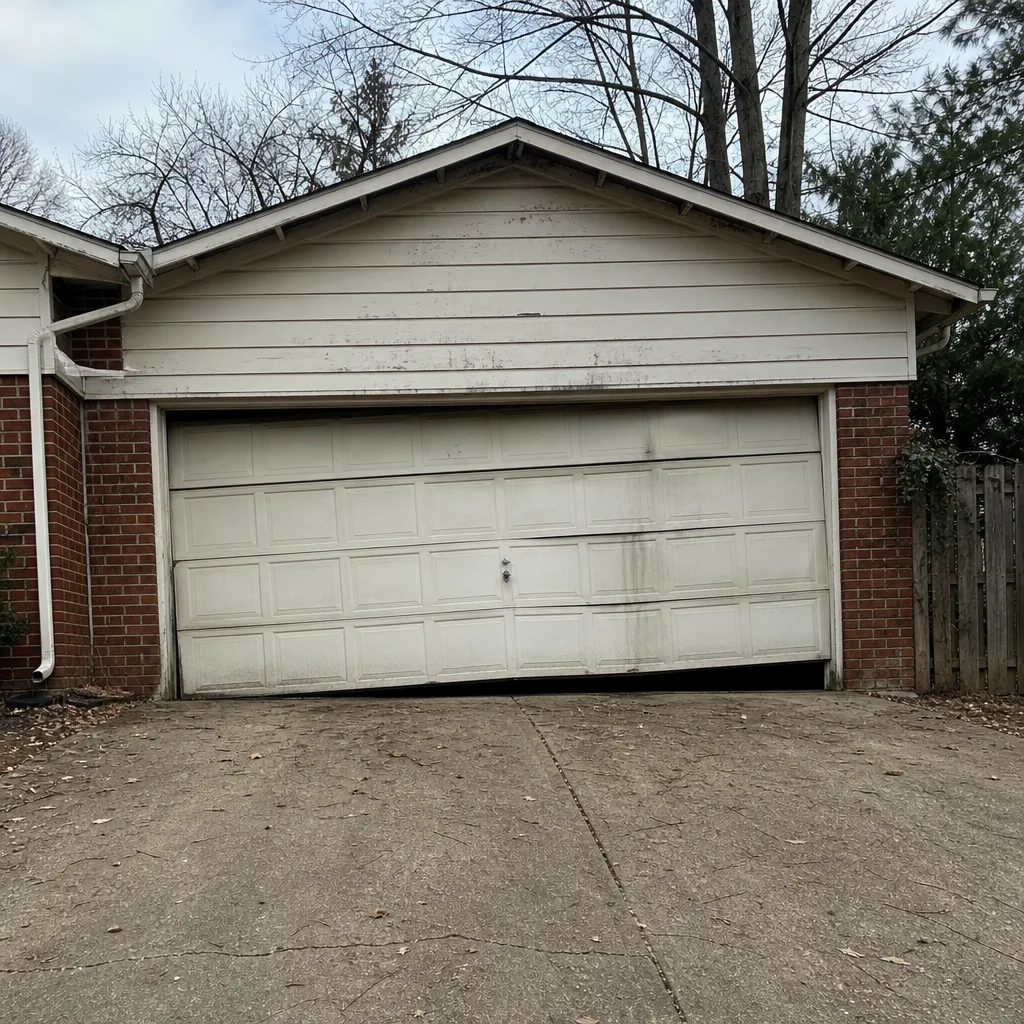 Before
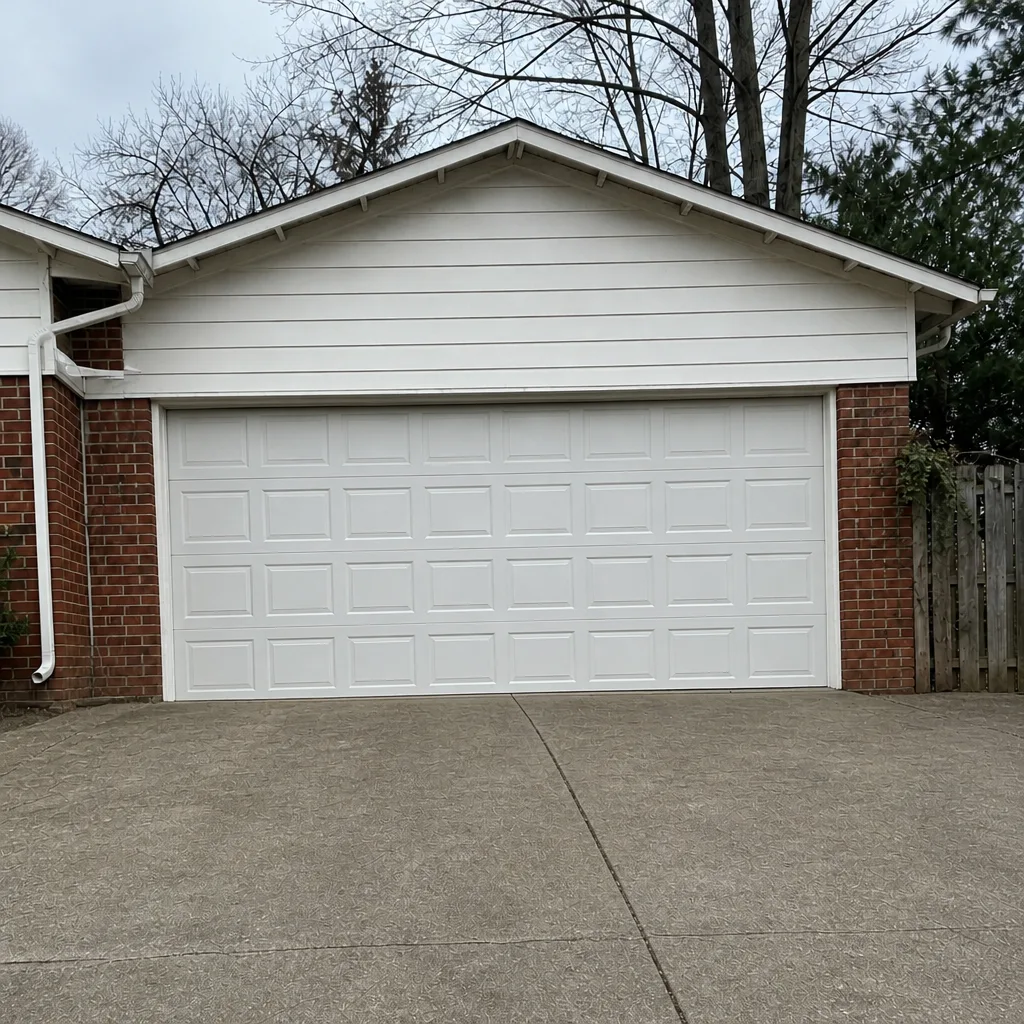 After
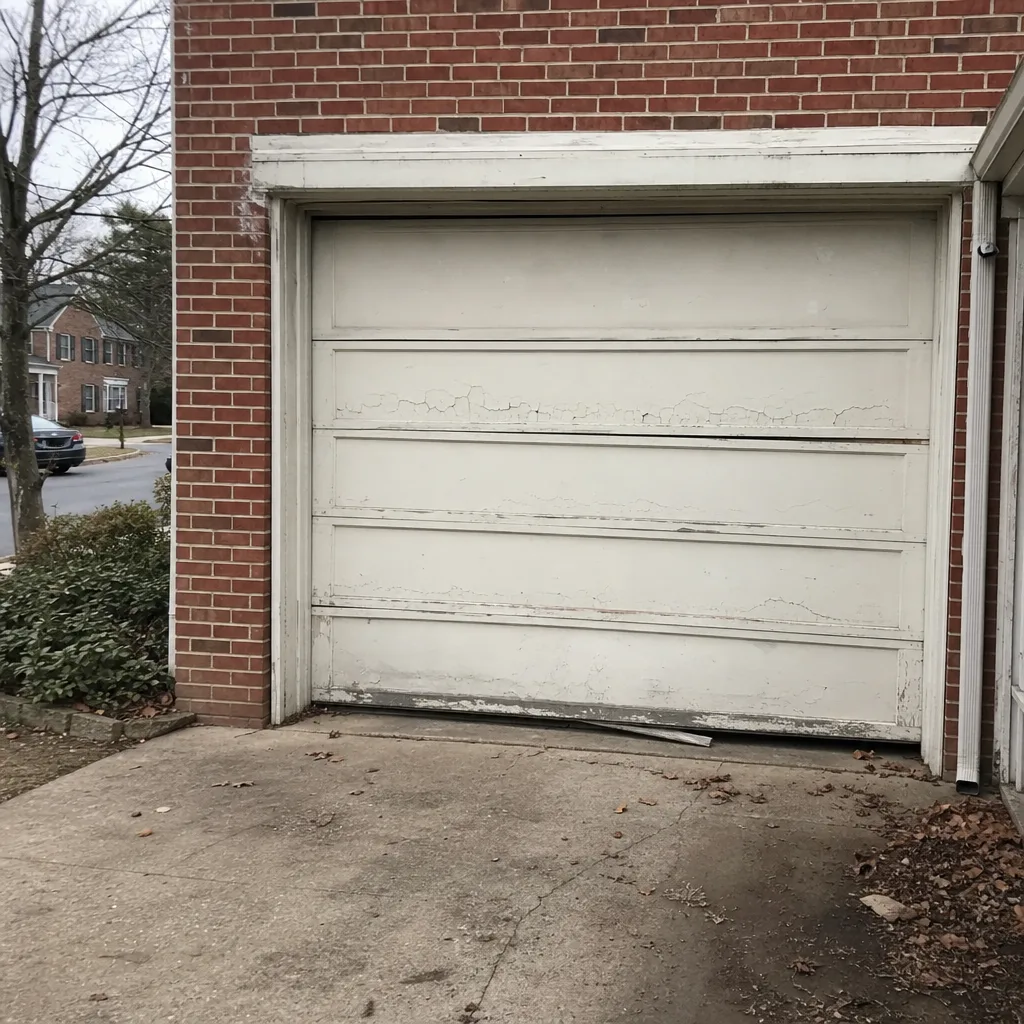 Before
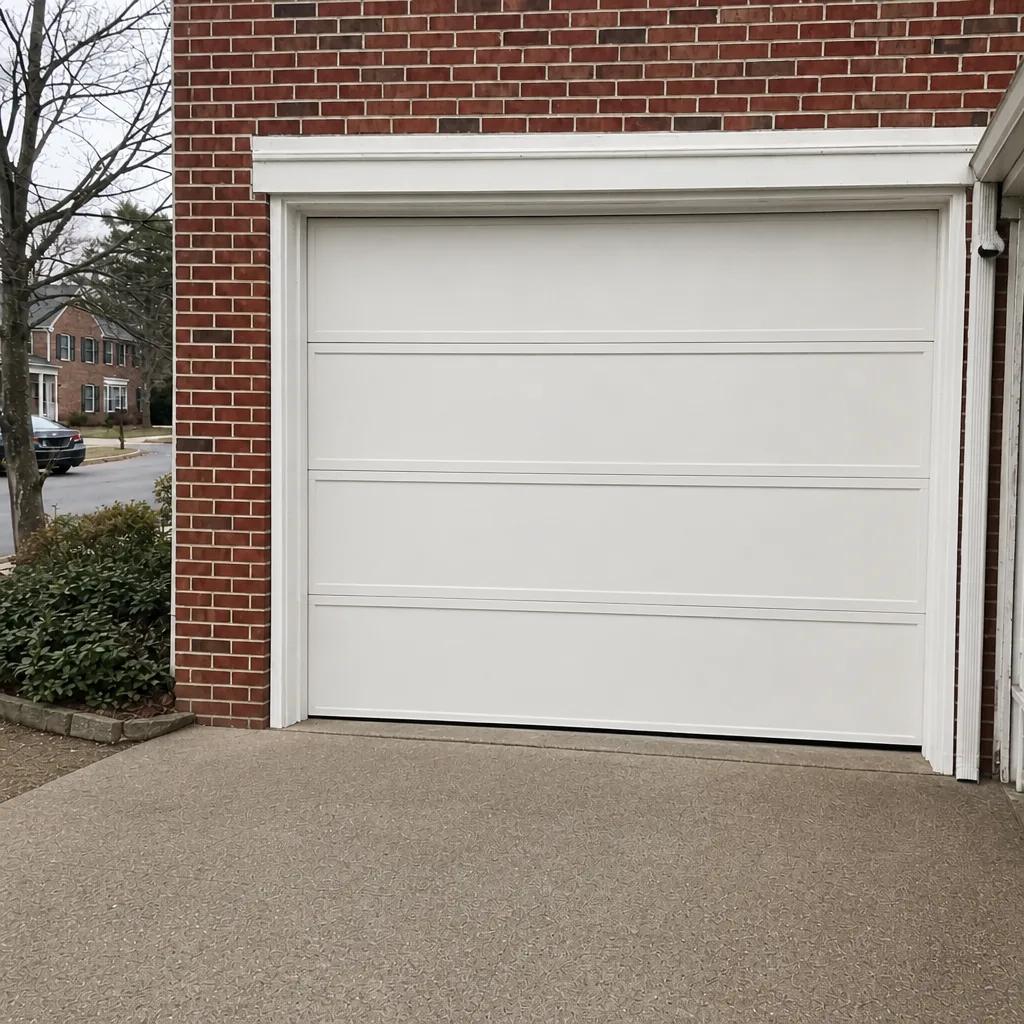 After
Frequently Asked Questions
Pull the manual release cord on the trolley to disconnect the opener, then lift the door by hand. Make sure the door is fully closed before you pull the cord; otherwise the spring tension can slam the door. If the door feels too heavy to lift, the springs are compromised, and you should call a technician.
Built-in battery backup is available on many LiftMaster and Chamberlain units, and some Genie models support an add-on backup pack. The right choice depends on what you already have installed. An experienced technician can check your current opener for a battery compartment or compatibility, or walk you through a replacement if the unit is older. Call (866) 812-5587 for a free estimate.
Secure the garage first. A c-clamp on the track above a roller is the fastest reliable fix. If the door can’t be lowered by hand, that’s a spring or cable issue and needs a professional. Call (866) 812-5587 and describe what you see.
Don’t run the door if you see any bend in the tracks, the panels, or the rollers. A bent panel that drags can tear the torsion system. Cosmetic damage with no change to movement is usually safe, but have a technician confirm before you keep using it.
Check the bottom seal for tears, look for loose anchor bolts on the tracks, confirm the cable drums are seated correctly, and test the opener’s safety reversal. Don’t adjust springs or cables yourself. If anything looks off, call a technician for an inspection before the wind arrives.
Photograph the damaged door and the surrounding area before you touch anything, note the time and what happened, and get a written estimate from a garage door professional. Keep the photos and estimate in the same place. Most insurers will ask for a professional assessment, so having one in hand speeds up the claim.
Common Mistakes to Avoid
- Pulling the manual release cord while the door is partially open. This is the most dangerous mistake. The spring tension will slam the door down. Always close the door fully before disconnecting the opener.
- Running the door after an impact that bent a panel. A dent you can see from the driveway often means the door is out of alignment. Running it turns a panel replacement into a whole-track repair.
- Assuming your opener has battery backup because it’s newer. Some recent models don’t ship with backup installed. Check the unit for a battery compartment or test button before the season starts.
- Using a chair or a stool to prop a stuck-open door. These slip. Use a c-clamp on the track if you need a temporary fix.
- Skipping the pre-storm anchor bolt check. The loose bolt you can’t see is the one that fails during a wind event. Take two minutes and look.
- Waiting until the storm is over to test the safety reversal. The time to test is before the season. If the safety reversal fails, no one at home should be operating the door unattended.
- Attempting to re-seat a cable on a drum yourself. The spring tension on a cable drum can release without warning and cause serious injury. This is professional work only.
The Bottom Line
Garage door emergencies in Alexandria cluster around two predictable events: extended power outages after ice storms and high-wind events, and physical damage from vehicles or storm debris. Both reward preparation. Every homeowner should know where the manual release cord is and how to use it safely, test the opener’s battery backup before the season, and run the pre-storm checks on the seal, the drums, and the anchor bolts. When a spring, a cable, or a track fails, or when a door has taken an impact, call a professional. Paragon Garage Door Repair handles the full system, from the opener to the panel, and works on the brands most Alexandria homes already have installed, including Chamberlain, Genie, Clopay, and Amarr. Call (866) 812-5587 for a free estimate. We answer 24/7. Fast dispatch from 7am to 7pm, Sunday through Friday. If you’re looking for more Alexandria garage door guidance, or need Paragon Garage Door Repair on the job, we’re here when you need us.
Written by the team at Paragon Garage Door Repair.