
Last updated November 16, 2026
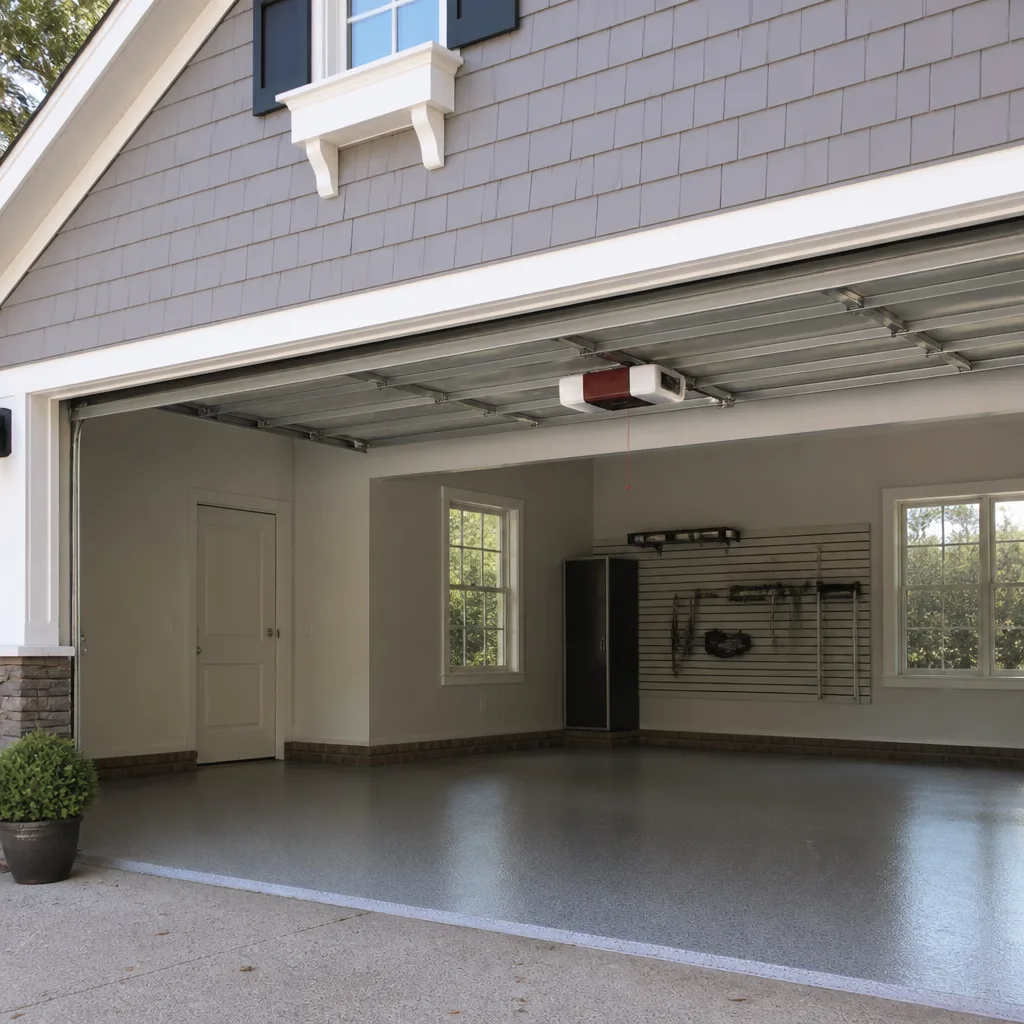
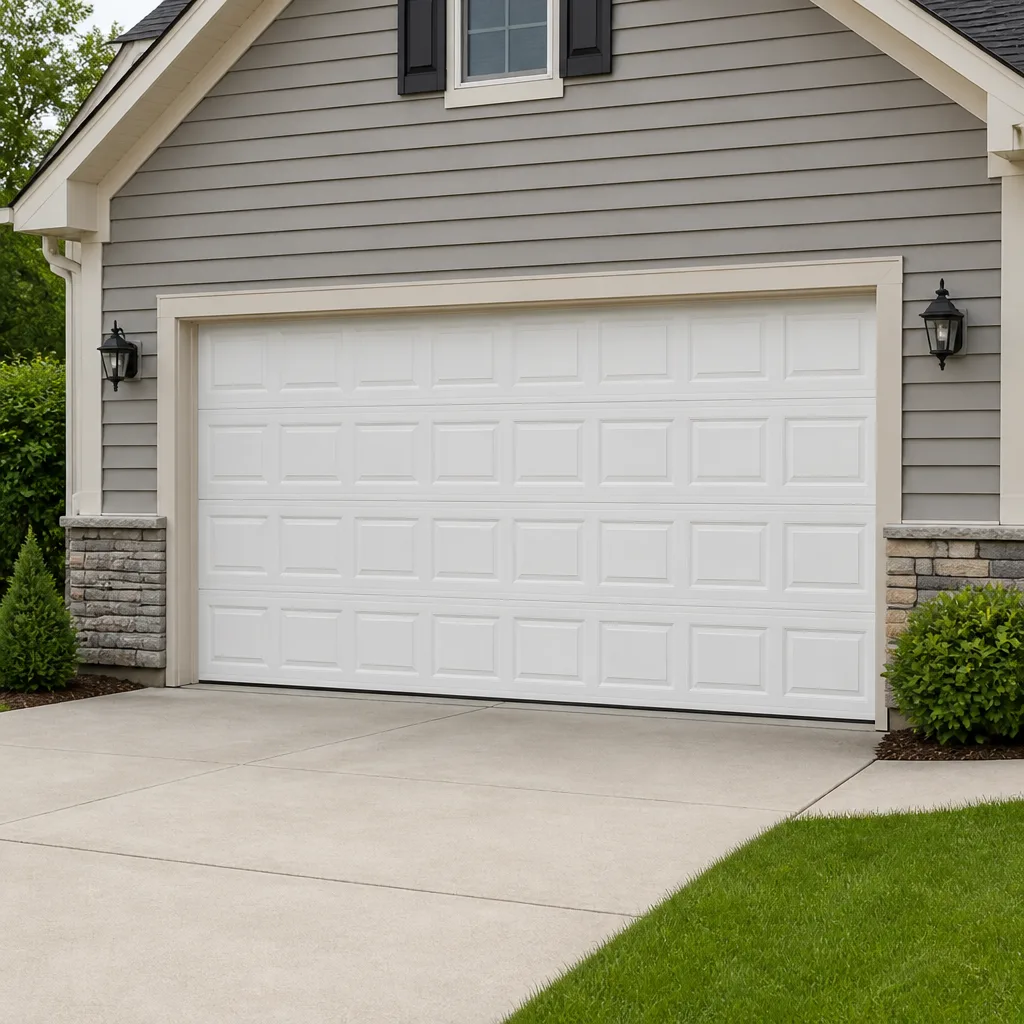 Raised-panel steel
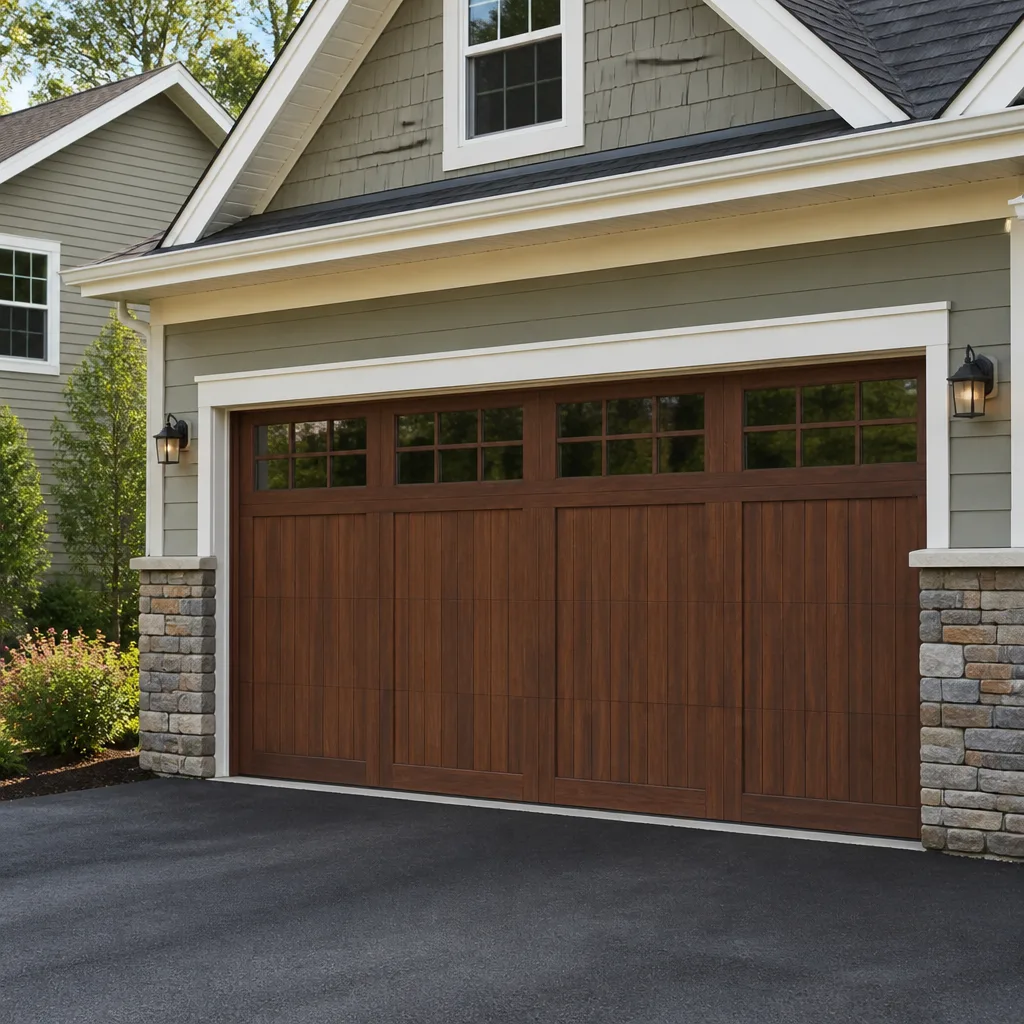
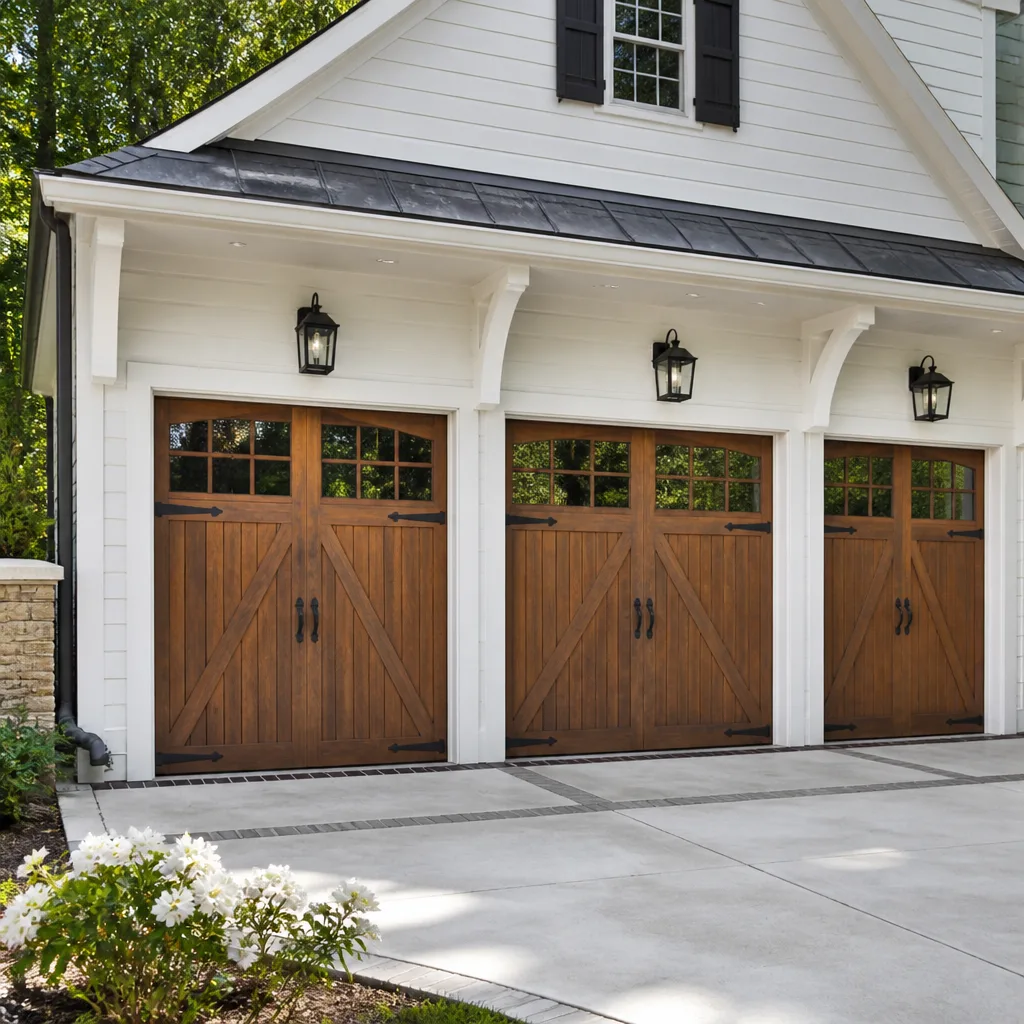 Carriage house
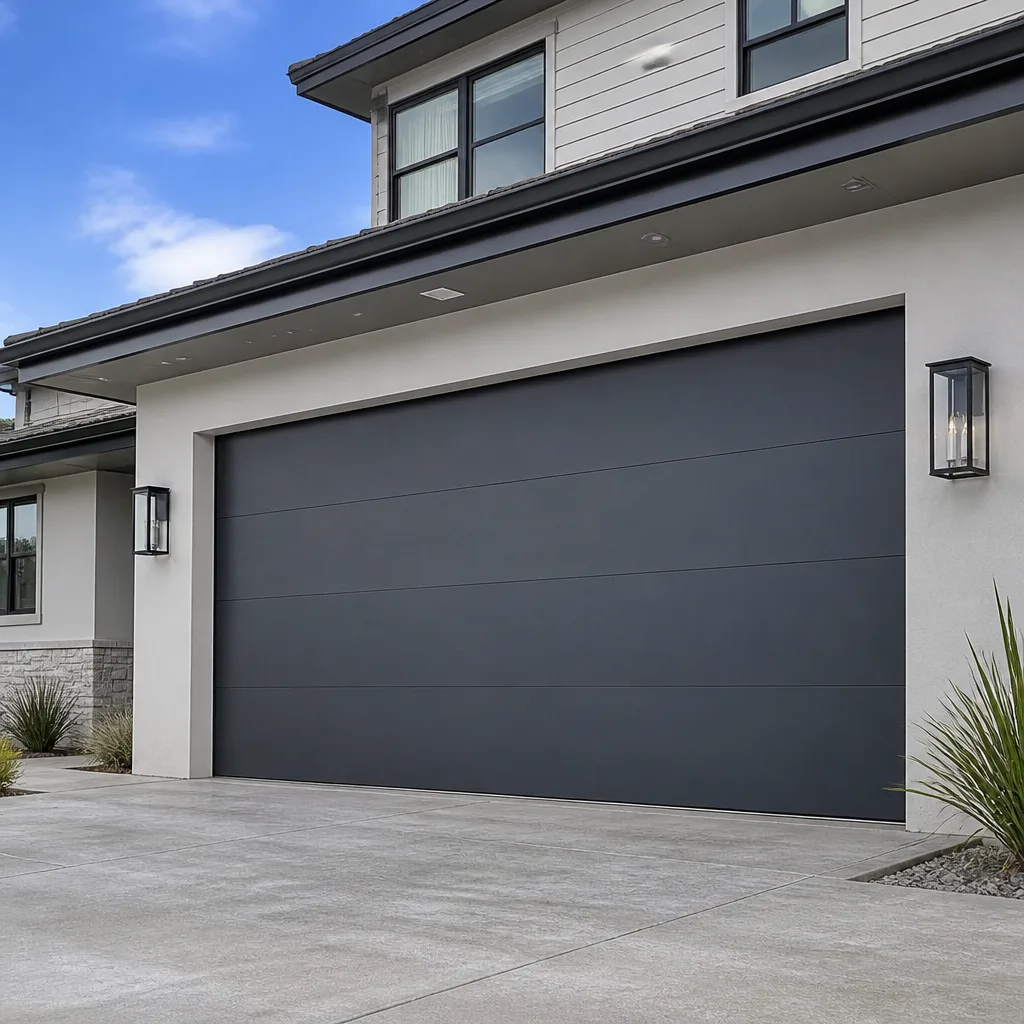 Modern flush
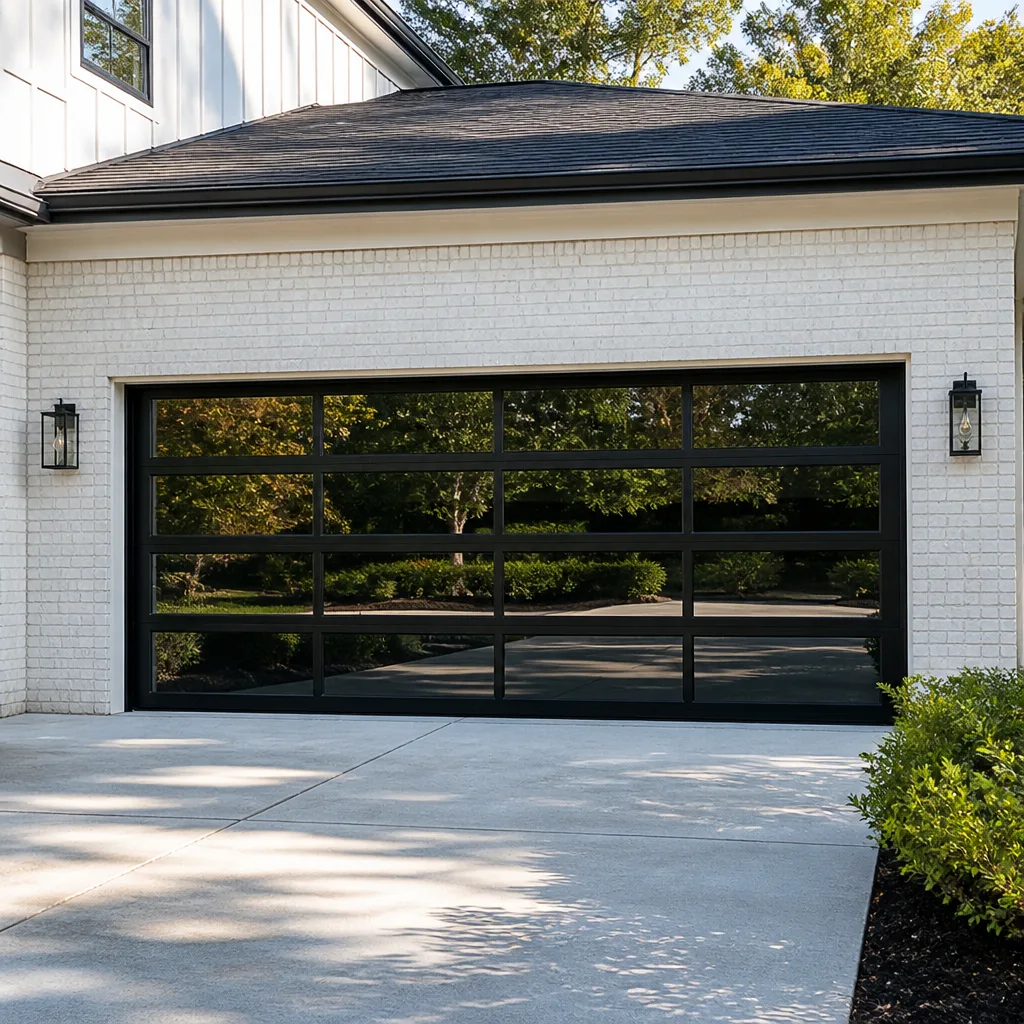 Full-view glass
 LiftMaster openers
 Chamberlain openers
Full 25-point door and opener safety check with every visit - springs, cables, rollers, tracks, and your LiftMaster or Chamberlain opener included
You get a price before we start. It does not change when the pro arrives.
Get your free estimateGarage Door Repair Maintenance Checklist for Alexandria Homeowners
Most checklists give you ten boxes to tick and no way to tell whether anything’s actually wrong. Ours is built the other way around. It’s ranked by what fails most often on service calls in Alexandria, and for each item you get the specific sign that comes first: the sound, the wear pattern, the spot where the part starts to give. The point is to train your eye, so you catch a $150 – $300 torsion spring repair while it’s still a repair instead of a collapsed door and a much bigger invoice. Below you’ll find the failure points we find most often, what they look like before they break, which parts deserve lubrication and which don’t, how to test your safety reverse in under three minutes, and what to check in October versus April. Work through it once a season and you’ll know your door better than most homeowners ever do.
Quick Answer
The most important maintenance tasks for an Alexandria garage door are checking the torsion spring for stretch and rust, testing the safety reversal and photo-eye alignment, lubricating hinges and rollers (not the track), and listening for changes in the door’s sound and speed. Do the full check twice a year, in October before winter and in April after freeze-thaw stress. Spring replacement in Alexandria typically runs $150 – $300 for a single spring, which is why catching wear early matters.
Styles & brands we work with
- Raised-panel steel
- Carriage house
- Modern flush
- Full-view glass
- LiftMaster openers
- Chamberlain openers
Table of Contents
- The Most Common Garage Door Failures in Alexandria, Ranked
- Springs: The Warning Signs Homeowners Miss
- What to Lubricate and What to Leave Alone
- Testing Safety Reversal and Photo-Eye Alignment in Under Three Minutes
- Fall and Spring: What to Check and When
- Opener Checks Most Checklists Skip
- Doors, Panels, and Hardware: Visual Inspection
- When a Check Becomes a Call
The Most Common Garage Door Failures in Alexandria, Ranked
If you want to know what’s most likely to go wrong with your door, start here. This ranking reflects what we find on calls across Alexandria, from Del Ray bungalows to townhomes near Old Town. The top of the list isn’t the loudest problem; it’s the one that gives you the most warning and still gets ignored.
- Broken torsion spring. Look for a visible gap in the coil, a spring that looks stretched or sagging compared to its coils, or rust blooming along the wire. The audible warning is a tightening “ping” or a door that feels heavier when you lift it manually. Most springs fail after thousands of cycles, not years, so a door used six times a day wears out faster than one used twice.
- Photo-eye misalignment or blockage. The safety sensors near the floor are supposed to stop a closing door. When they drift out of alignment, the door reverses or refuses to close. Look for a sensor LED that’s off or flickering, or a lens with dirt and cobwebs on it.
- Worn rollers. Nylon rollers develop flat spots and steel rollers wear at the bearing. You’ll hear a rhythmic scrape or a rattling that gets louder as the door moves. Look for a roller that’s stopped turning and is skidding along the track.
- Loose or broken hinges. The hinge plates take the load at every joint. A cracked hinge or a hinge that’s pulled away from the panel shows up as a door that binds on one side or a hinge you can wiggle by hand.
- Track misalignment or dents. A door that jumps or shudders as it moves usually has a track that’s been knocked out of plumb or dented. Look along the track for a bend or a gap where the roller has more room than the others.
- Opener force or travel-limit drift. The door stops an inch short, reverses at the top, or strains to close. That’s usually a limit switch or force setting that’s slipped, not a door problem.
Each item on this list is common enough that our technicians see it weekly somewhere in Alexandria. What separates a quick fix from a full replacement is how early you notice it.
Springs: The Warning Signs Homeowners Miss
The torsion spring is a coil of steel wire under significant tension, and it’s the part most likely to fail on your door. It also gives you the most warning before it does. The challenge is that the warning looks like normal wear.
Here’s what to check, from the floor, without touching anything:
- A visible gap in the coil. A torsion spring should be a continuous coil. A gap means the wire has broken and the door is now being held by the opener alone.
- Stretch. Compare the spring’s length to how it’s supposed to sit. A stretched spring has lost tension and is working harder than it should.
- Rust. Alexandria’s humid summers and freeze-thaw winters are hard on steel. Rust along the spring wire is a sign the spring is weakening, not just aging cosmetically.
- A door that feels heavier. Disconnect the opener with the manual release and lift the door halfway. If it doesn’t stay put when you let go, or feels much heavier than it used to, the spring has lost tension.
- A “ping” or “bang” sound. Spring failure is one of the loudest sounds a garage makes. If you’ve heard it and the door still opens, the opener is doing the work and the spring needs attention.
Springs are one of the most dangerous parts of a garage door to work on. The wire is under heavy tension, and a spring that lets go while you’re near it can cause serious injury. We don’t recommend adjusting, winding, or replacing a torsion spring yourself. This is a job for a trained technician with the right tools, and it’s worth the call. If your door has a broken spring, call (866) 812-5587. We answer 24/7. Fast dispatch from 7am to 7pm, Sunday through Friday. A single spring replacement in Alexandria typically runs $150 – $300, and if both springs are original and one has failed, they’re usually replaced as a matched pair, at roughly twice that for the pair. The written estimate confirms the price before any work starts.
What to Lubricate and What to Leave Alone
Lubrication is where most homeowners waste a can of product on the wrong parts. The rule is simple: lubricate the moving parts that pivot or roll, and leave the track alone. The track is a guide surface, not a bearing, and lubricant on it attracts dust and grit that wear the rollers faster.
Here’s what actually needs lubrication, and what you can skip:
- Hinges. A drop of white lithium grease or a garage-door-specific lubricant at each hinge pivot point. Do this twice a year.
- Rollers. Lubricate the roller stems and bearings, not the roller surface. A small amount is enough; too much collects dust.
- Torsion bar bearings. The bearings at each end of the torsion bar need a light application of grease. This is one of the most overlooked points and one of the most common sources of squeal.
- The torsion spring itself. A light coating of lubricant on the spring coils helps slow rust. Wipe off excess, because too much catches grit.
- What to leave alone: the track. The vertical and horizontal tracks should be clean and dry. If you must clean them, use a dry cloth. Lubricant here does more harm than good.
- What to leave alone: the opener rail. Most opener rails are designed to run dry. Check your opener’s manual before applying anything to the rail, and if it calls for lubrication use only what the manufacturer specifies.
A can of white lithium grease and fifteen minutes twice a year is the entirety of the lubrication side of this checklist. The rest of the work is looking and listening.
Testing Safety Reversal and Photo-Eye Alignment in Under Three Minutes
This is the part of the checklist that matters most for safety, and most homeowners have never actually tested it. The safety reverse is supposed to stop a closing door when it meets resistance, and the photo-eyes are supposed to stop it when something breaks the beam. Both fail quietly, and both need a real test, not a glance. Here’s the test we recommend, with clear pass/fail criteria.
- Photo-eye test. With the door fully open, look at both sensors near the floor. Each should have a solid LED, usually green or amber depending on the brand. If either LED is off or flickering, the beam is broken or blocked. Pass: both LEDs solid. Fail: any LED off or flickering.
- Obstruction test for the photo-eyes. While the door is closing, wave a broom handle or a piece of cardboard through the beam. The door should reverse within a second. Pass: door reverses immediately. Fail: door continues closing.
- Pressure test for the safety reverse. Place a roll of paper towels or a piece of 2×4 flat on the floor under the closing door. When the door meets it, it should reverse. Pass: door reverses on contact. Fail: door continues pressing into the object.
- Manual release test. With the door closed, pull the red release handle. The door should be easy to lift by hand halfway and should stay put when you let go. Pass: door lifts easily and stays balanced. Fail: door is heavy or drifts down on its own.
If any of those fail, the fix may be as small as cleaning the photo-eye lenses or realigning a sensor bracket. If the pressure test fails, the opener’s force setting is the likely culprit, and that’s a setting we’d rather adjust with a technician watching the door. Force settings that are too high can keep a door pressing on something it should have stopped for. If your door fails any of these tests, call (866) 812-5587. We answer 24/7. Fast dispatch from 7am to 7pm, Sunday through Friday, and a free estimate tells you whether it’s a sensor, a setting, or something in the door itself.
Fall and Spring: What to Check and When
Alexandria’s climate gives your garage door two distinct stress seasons, and the checks that matter most depend on which one you’re heading into. Here’s how we’d split the work across the year.
October: Before Winter
- Springs and cables. Cold weather makes steel more brittle, so a spring that’s been losing tension all summer is more likely to fail in the first hard cold snap. Inspect the spring for stretch and rust and check the cables for fraying.
- Weather seal and bottom threshold. The rubber seal along the bottom of the door takes the most wear. Check for cracks, brittleness, or a gap when the door is closed. A failed seal lets cold air and moisture into the garage all winter.
- Door balance. Test the manual release now, before the door is fighting cold weather and harder rollers.
- Opener battery backup. If your opener has a battery backup, check the battery indicator. A dead battery backup becomes obvious when the power goes out, which in Alexandria tends to be during winter storms.
April: After Freeze-Thaw Stress
- Track alignment. Freeze-thaw cycles move the ground under a garage slab, and tracks that worked fine in November can be slightly out of plumb by April. Check for any bend or for rollers that have unequal play in the track.
- Hinges and fasteners. The temperature swings loosen fasteners over the winter. Check that hinge bolts and track brackets are tight.
- Rollers. Worn rollers get louder after a cold winter. Listen for the rattle that wasn’t there in the fall.
- Photo-eyes and safety reverse. Re-run the three-minute test from earlier. Winter grime and salt from the roads can fog the sensor lenses.
- Lubrication. Spring is the natural time to re-lubricate hinges, rollers, and the torsion bar bearings after the winter’s grit.
Two checklists a year, an hour each, and you cover the seasonal failure modes that show up most often in Alexandria.
Opener Checks Most Checklists Skip
Most door maintenance checklists stop at the door and never look at the opener. That’s a gap, because half the calls we get in Alexandria turn out to be opener issues, not door issues, and the two are easy to confuse. We work on LiftMaster, Chamberlain, Genie, and Craftsman openers, and the same three checks apply to all of them.
Belt or Chain Tension
If you have a belt-drive opener, the belt should have a small amount of give when you press it, not a slack sag. A belt that’s stretched or too tight will make a whine or a rattle that changes with the door’s position. Chain-drive openers should have a similar small amount of slack. If your Chamberlain or LiftMaster opener has gotten noticeably louder over a few months, belt or chain tension is one of the first things to check.
Force and Travel Settings
Every opener has a force setting and travel limits. The travel limits tell the opener where the door should stop at the top and bottom. If the door stops short, reverses at the top, or closes too hard, these settings have drifted. Force settings that are too high can be a safety problem: the opener keeps pushing when it should reverse. We don’t recommend cranking up the force to make a door close over a problem in the door itself; that hides the symptom instead of fixing it.
Battery Backup
Most modern openers in Alexandria have a battery backup that runs the door during a power outage. It’s the check nobody does, and the one that fails when you need it. Look for the battery indicator light on the opener housing. If your opener uses a battery that’s more than a few years old, it’s worth replacing before it fails in a storm.
If your opener is a Genie or a Raynor, or any brand not listed here, call us and we’ll tell you whether it’s a model we service. For a full diagnosis, see our page on garage door opener repair.
Doors, Panels, and Hardware: Visual Inspection
The door itself needs a visual check twice a year. This is the easiest part of the checklist and the one most likely to catch a small problem before it becomes a panel replacement.
- Panel condition. Look for dents, cracks, or bubbling paint at the bottom of the panels. Moisture collects at the bottom edge, and Alexandria’s humid summers put pressure on painted steel and wood alike.
- Hinges and brackets. Check every hinge plate for cracks at the screw holes. A hinge that’s pulling away from the panel will eventually damage the panel itself.
- Cables. Look at the cables that run along the sides of the door. Fraying, broken strands, or a cable that’s come unwound is a stop-and-call situation. Cables are under tension and are not a DIY part.
- Track cleanliness and alignment. Run a dry cloth along the tracks. Look for a bend, a dent, or rollers that sit unevenly.
- Rollers. Roll each roller by hand. A roller that won’t turn freely or feels flat-spotted is on its way out.
If your door needs panel or hardware work, our garage door repair team handles everything from a single hinge to a full panel replacement. And if you’re weighing repair against replacement, we’ll tell you honestly which one your door needs. A repair-first mindset is the standard we hold ourselves to. Our technicians have up to 12 years of experience, and they’ll tell you when a fix is the right call and when it isn’t.
When a Check Becomes a Call
Some items on this checklist you can test and inspect yourself. Others warrant a call the moment you notice them, and it’s worth knowing the difference.
Call a professional for anything involving the torsion spring, the cables, or the torsion bar. These are under high tension, and working on them without the right tools and training is genuinely dangerous. Call if the door fails the safety reverse or photo-eye test and a quick cleaning doesn’t fix it. Call if the door is visibly out of balance, if a hinge has pulled away from the panel, if the track is bent, or if your opener reverses at random. And call if you’ve heard a loud bang from the garage and the door still opens; that’s very likely a broken spring, and the opener is holding the door up in the meantime.
We answer 24/7. Fast dispatch, 7am-7pm. Paragon Garage Door Repair offers free estimates in Alexandria, and the price is quoted and agreed before any work starts. Call (866) 812-5587.
See the difference
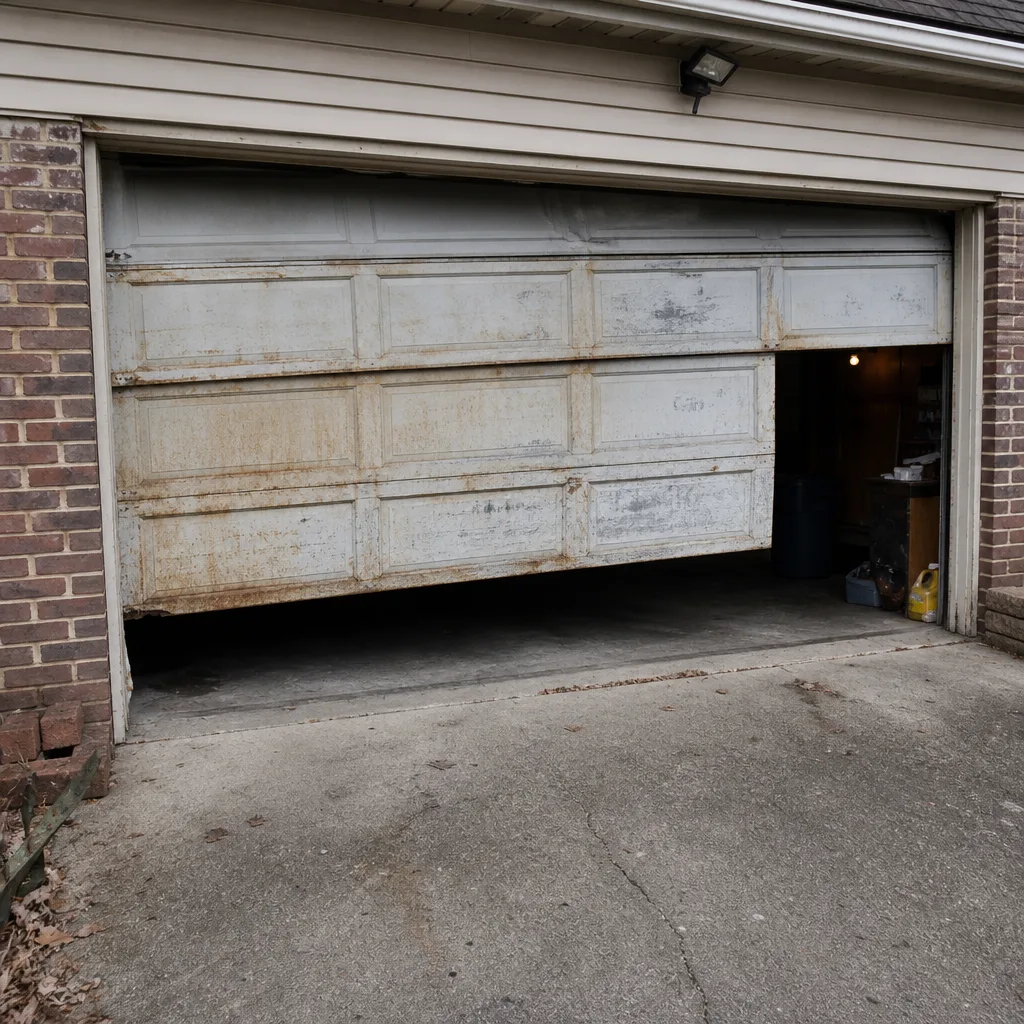 Before
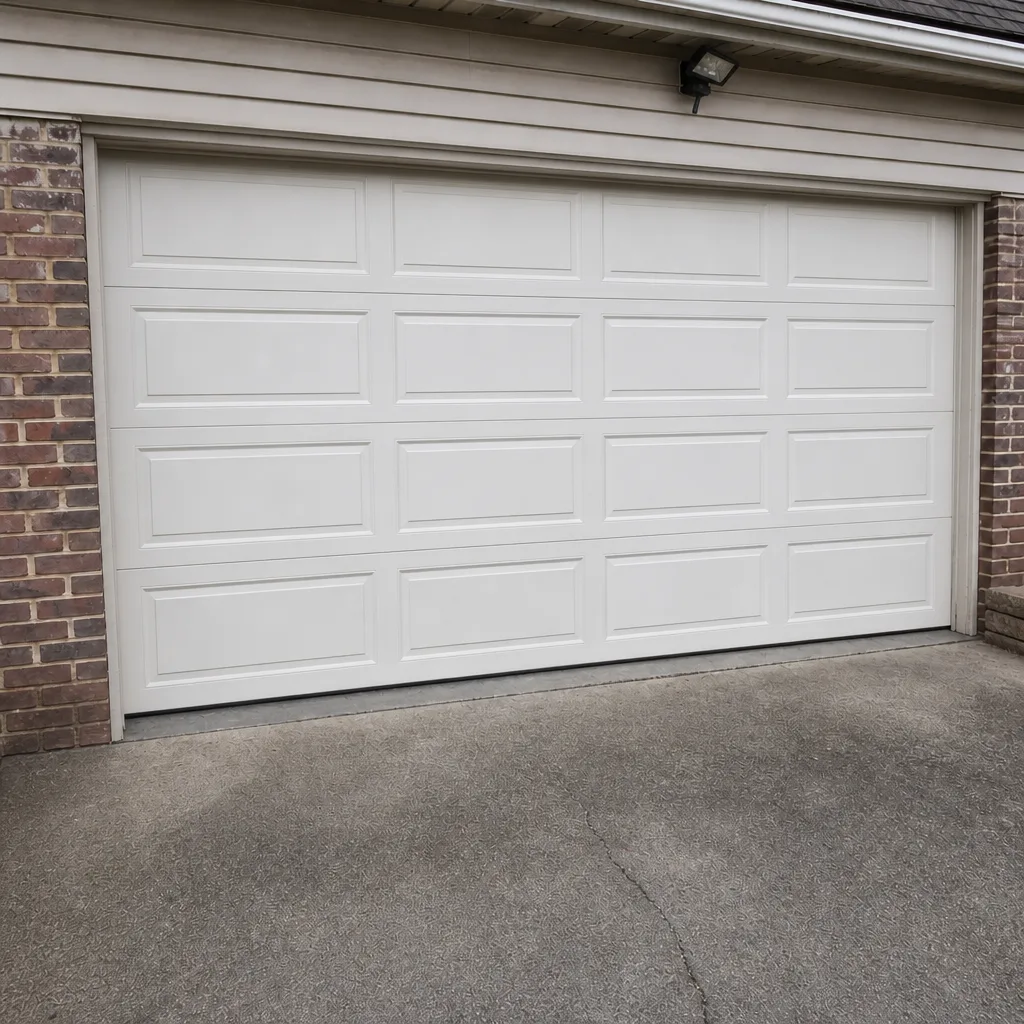 After
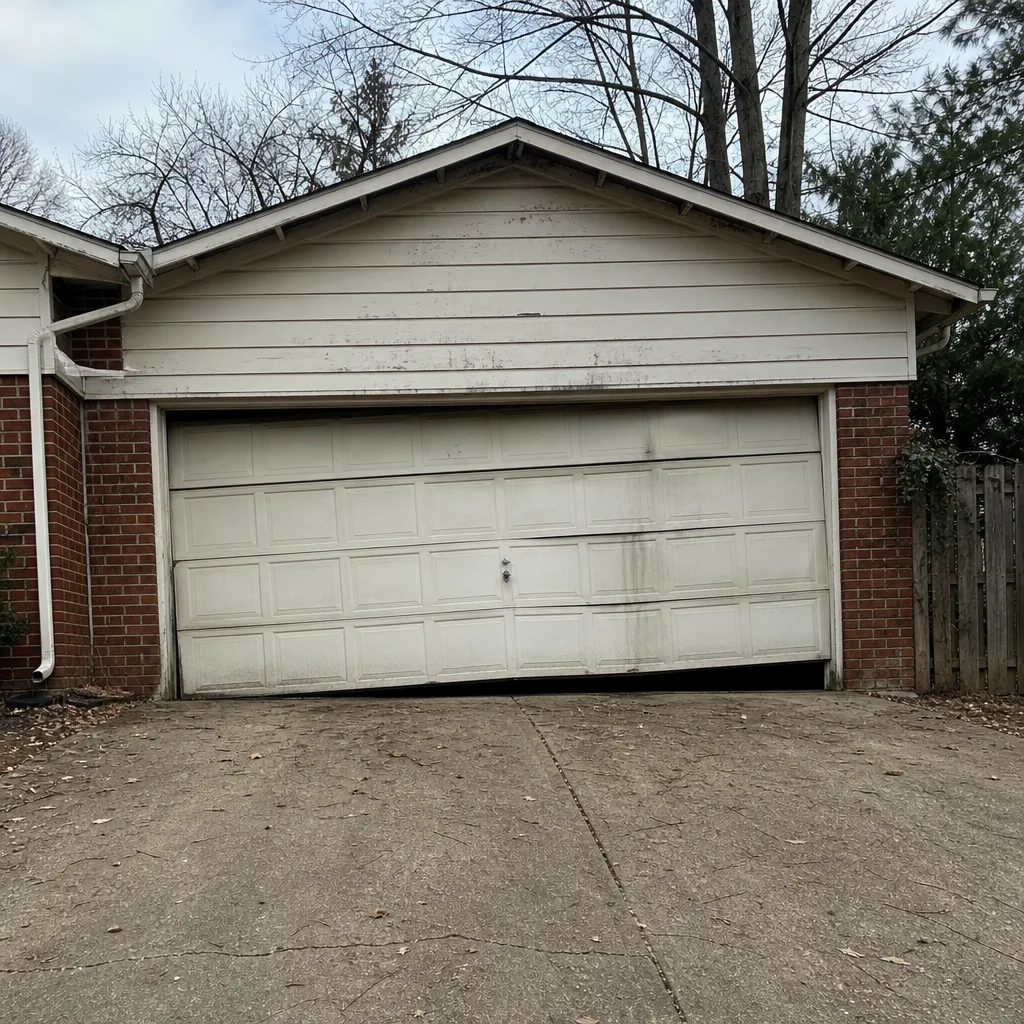 Before
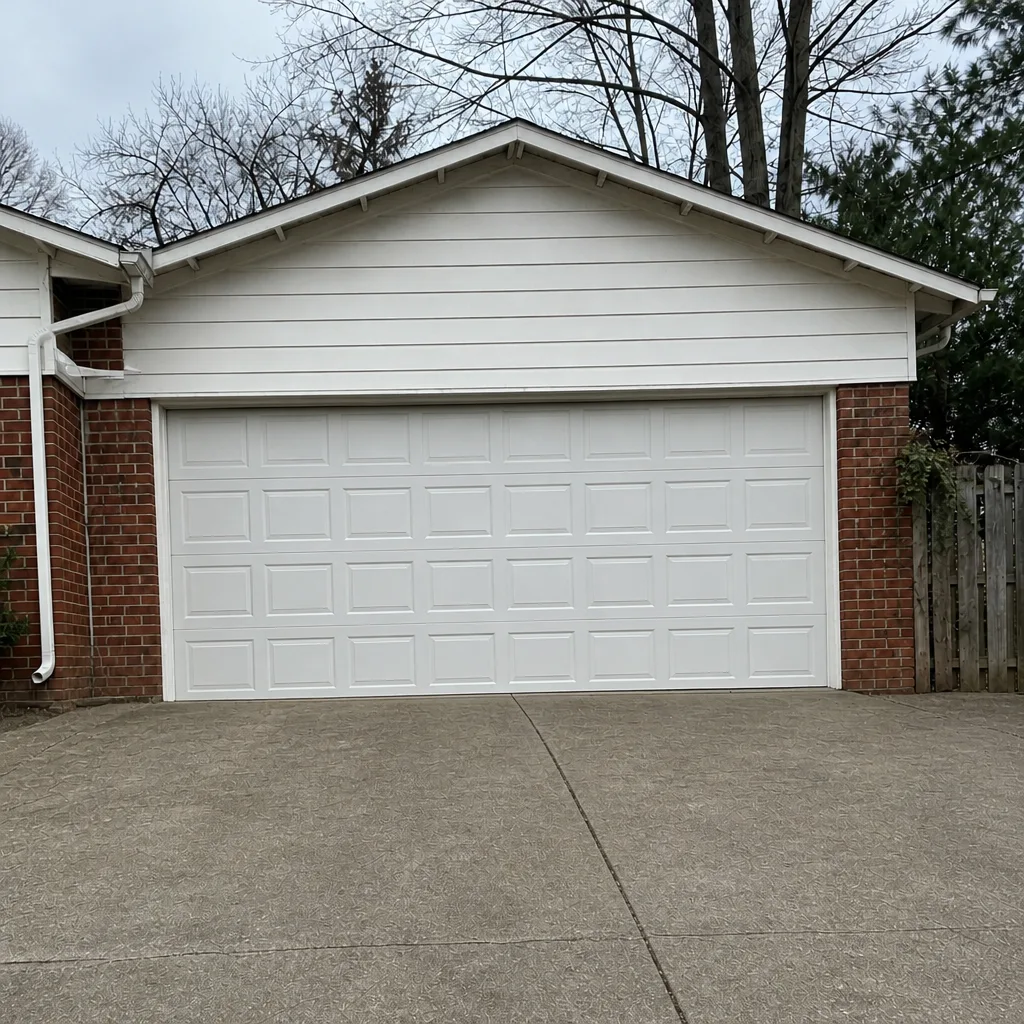 After
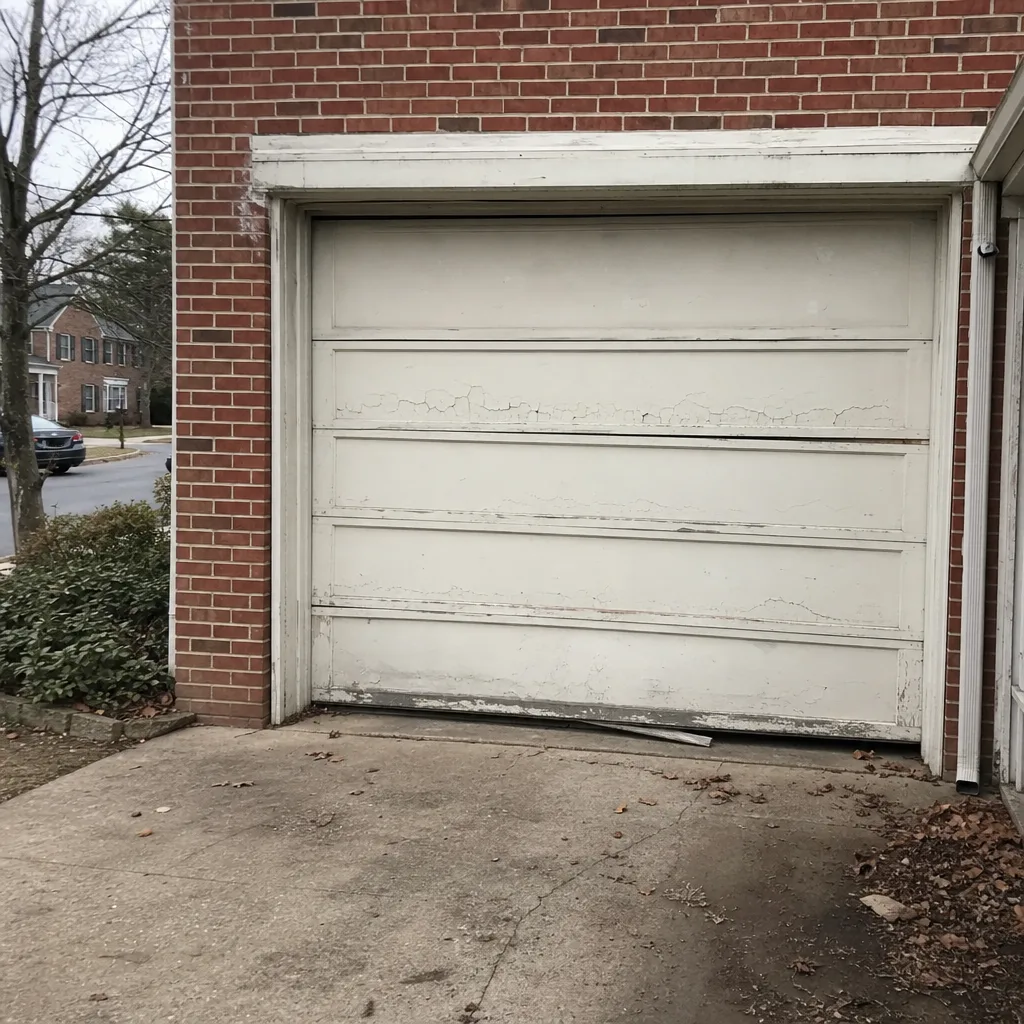 Before
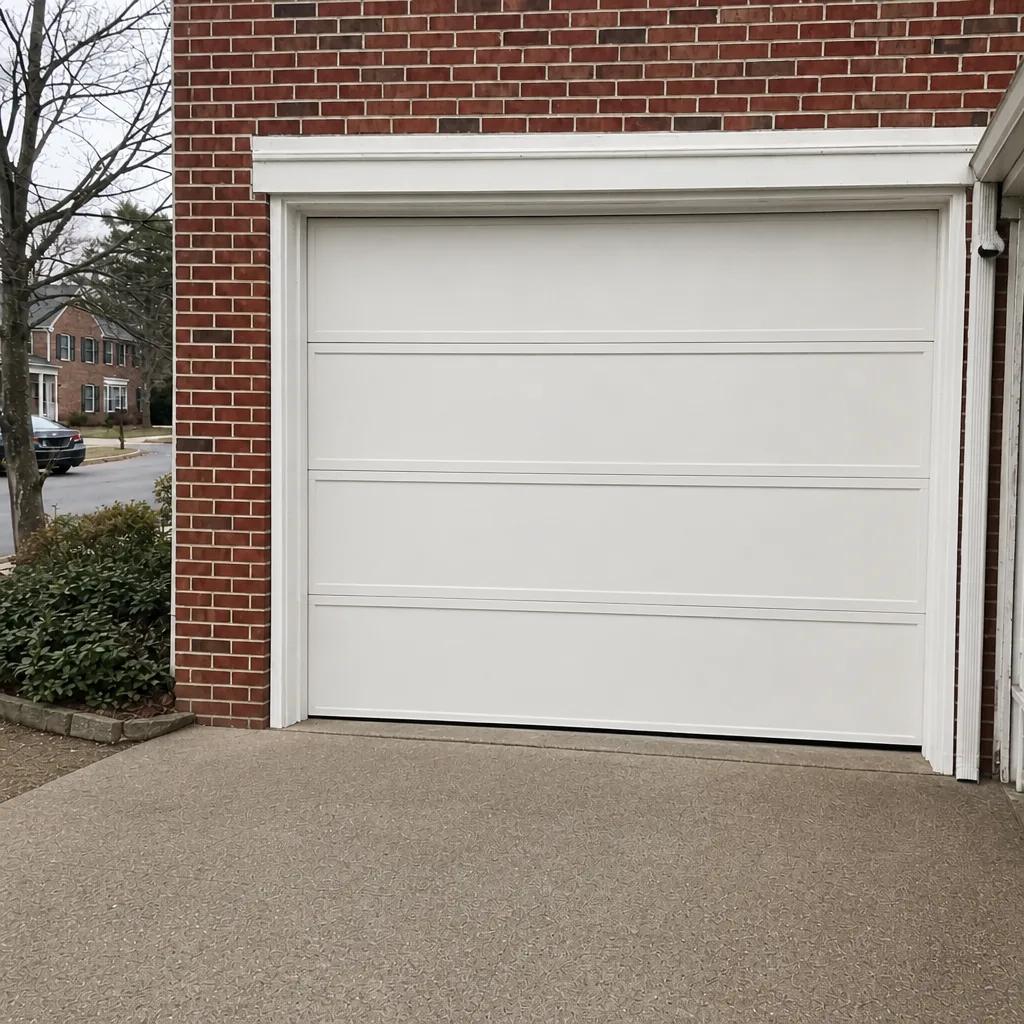 After
Common Mistakes to Avoid
- Lubricating the track. It’s the most common mistake we see. The track is a guide surface, and grease on it traps grit that wears the rollers. Keep it clean and dry.
- Adjusting the force setting to force a door closed. If a door won’t close, the problem is usually the door, the spring, or the photo-eyes, not the force setting. Turning up the force hides the symptom and defeats the safety reverse.
- Ignoring a photo-eye that “works.” A sensor can be technically working but misaligned enough to reverse at random. Test it with an object in the beam, not with a glance.
- Replacing one spring when both are original. Springs are under the same cycle count, so when one fails, the other is close behind. Replacing the pair is usually the right call, and it’s less expensive than two separate calls. A single spring in Alexandria typically runs $150 – $300; a matched pair costs about twice that.
- Treating an opener problem as a door problem. A door that stops short or reverses at the top is often a limit switch on the opener, not a problem with the door. Diagnosing the wrong component leads to replacing the wrong part.
- Skipping the fall check in Alexandria. Cold snaps put the most stress on springs and seals. October is the right time to catch a spring that’s worn before the first freeze.
- Trying to wind or unwind a torsion spring yourself. The spring is under enough tension that a mistake can cause serious injury. This is a job for a trained technician, and it’s not worth the risk.
Frequently Asked Questions
Twice a year is the baseline: once in October before winter and once in April after freeze-thaw stress. If your door is used heavily (more than four or five times a day), you may want a professional check once a year in addition to your own seasonal inspections. Call (866) 812-5587 for a free estimate.
A single spring replacement in Alexandria typically runs $150 – $300. If both springs are original and one has failed, they’re usually replaced as a matched pair, at roughly twice the single-spring cost. The written estimate confirms the price before any work starts. Call (866) 812-5587 for an exact quote; estimates are free.
Yes, on the hinges, rollers, and torsion bar bearings. Use white lithium grease or a garage-door-specific lubricant. Do not lubricate the track itself, and check your opener manual before applying anything to the opener rail. Lubrication doesn’t extend to the spring or cables under tension.
It means your door isn’t stopping when it should, which is a safety issue. The most common causes are photo-eyes out of alignment, a dirty sensor lens, or a force setting that’s too high. Start by cleaning and realigning the photo-eyes. If that doesn’t fix it, call (866) 812-5587. We answer 24/7. Fast dispatch from 7am to 7pm, Sunday through Friday.
No. We quote the price before any work starts, based on the written estimate. If we find something additional during the visit, we’ll show you and quote that separately before doing it. Call (866) 812-5587 for a free estimate.
Yes. Our technicians are licensed, insured, and bonded, and our technicians have up to 12 years of experience. We work on LiftMaster, Chamberlain, Genie, Craftsman, Clopay, Amarr, Wayne Dalton, and Raynor equipment. Call (866) 812-5587 for a free estimate.
The Bottom Line
A good maintenance checklist trains your eye, not just your clipboard. The torsion spring is the number-one repair in Alexandria, and it gives you weeks of warning before it fails: a gap in the coil, a stretched spring, a door that feels heavier. Test your safety reverse and photo-eyes twice a year with real pass/fail criteria, lubricate the hinges and rollers but not the track, check the opener’s belt tension and battery backup, and split your checks between October and April. Caught early, most of what fails on a door is a repair. Caught late, it’s a replacement. Knowing which sign belongs to which problem is the whole point.
If anything on this checklist turns up a problem, or if you’d rather have a trained eye check it once, call Paragon Garage Door Repair at (866) 812-5587. We answer 24/7. Fast dispatch from 7am to 7pm, Sunday through Friday. Estimates are free, and the price is quoted and agreed before any work starts. We work on what you already have, across every major door and opener brand we support.
Written by the team at Paragon Garage Door Repair.