
Last updated November 16, 2026
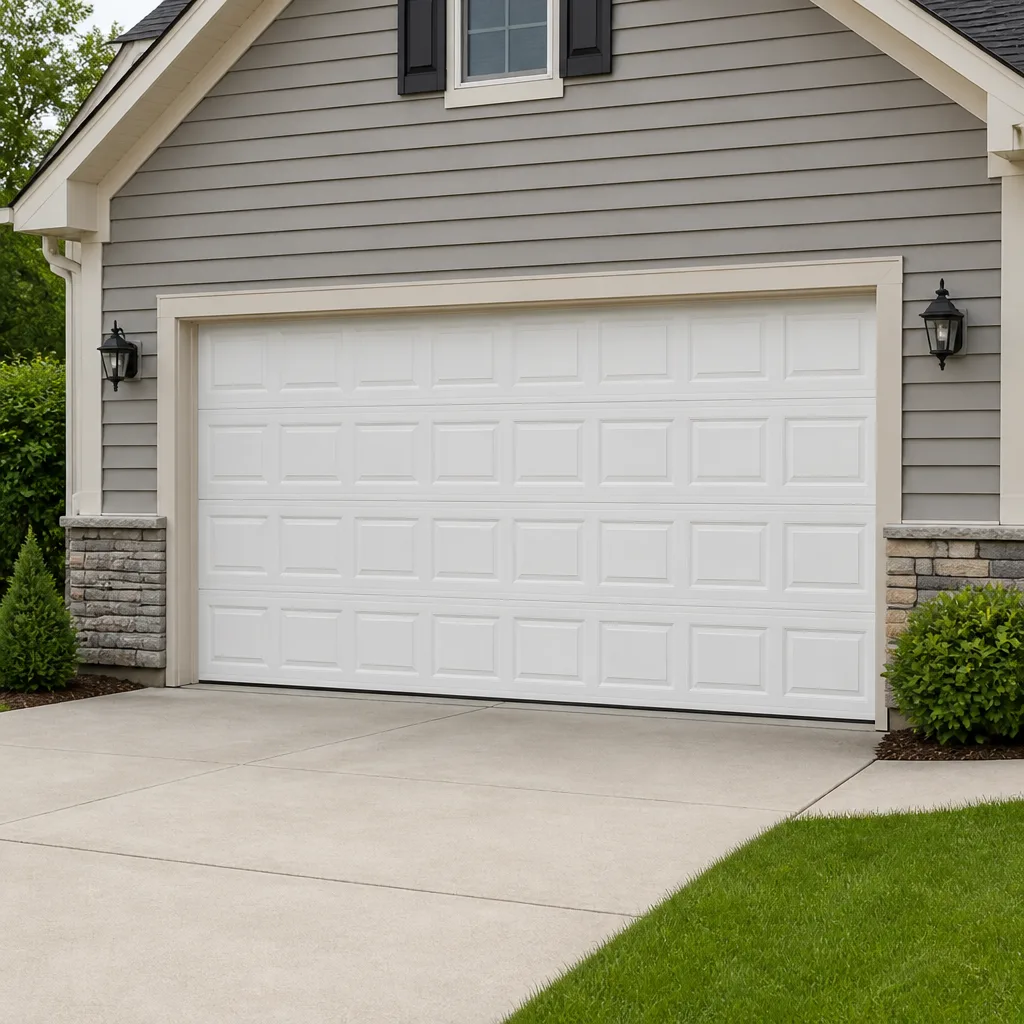 Raised-panel steel
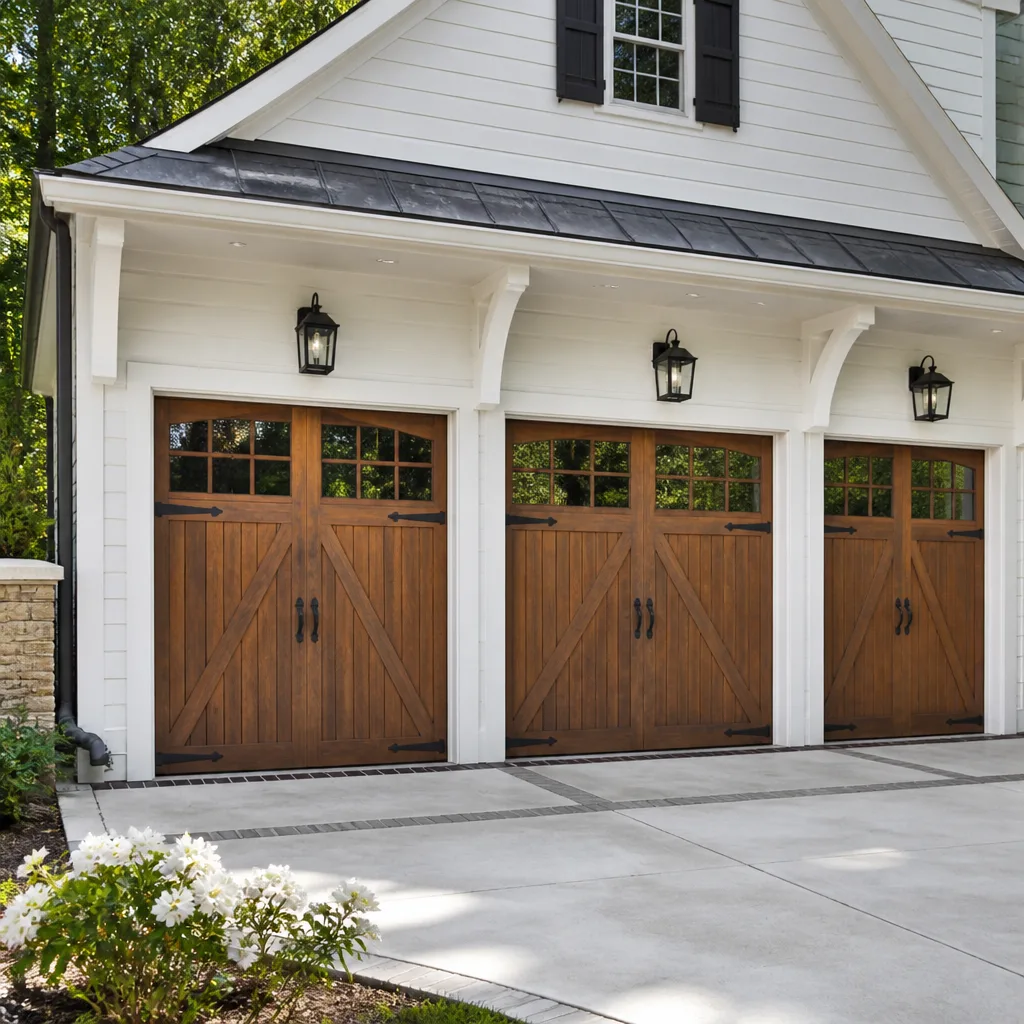 Carriage house
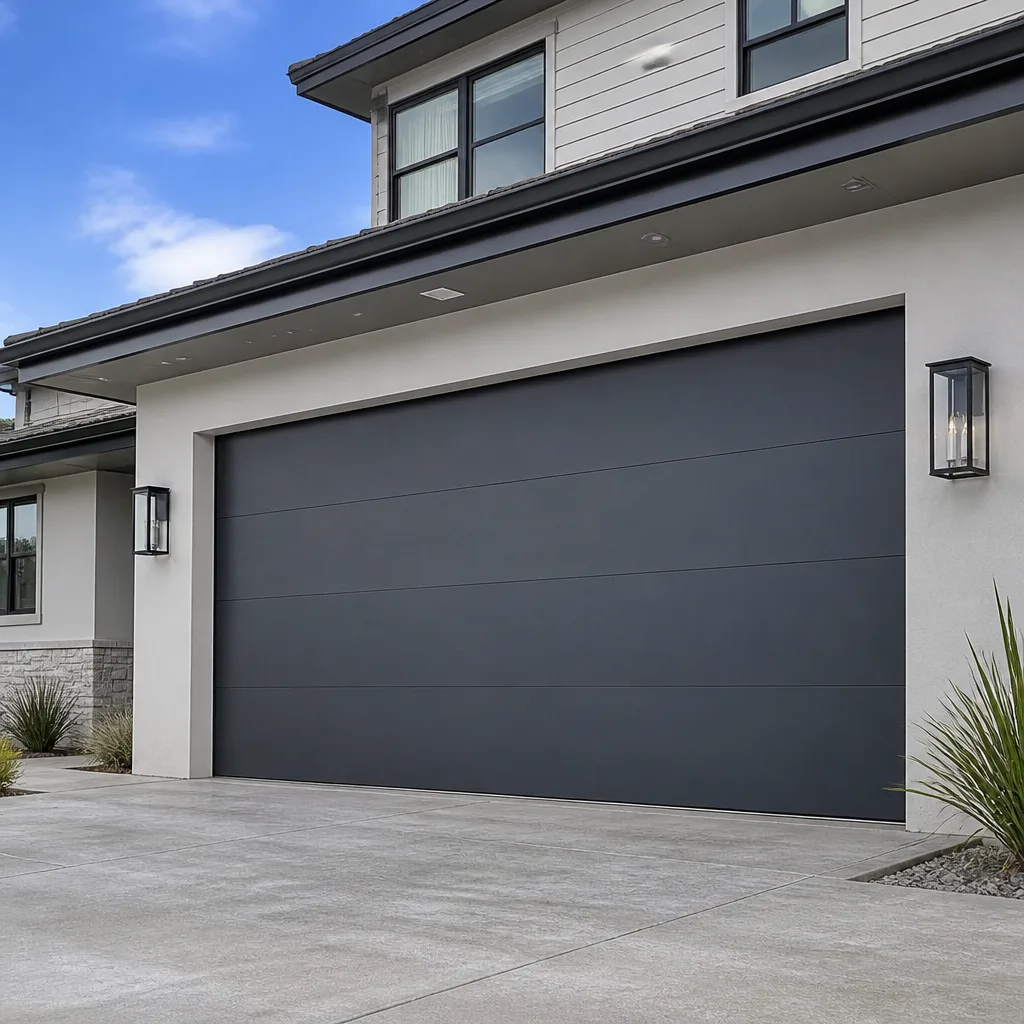 Modern flush
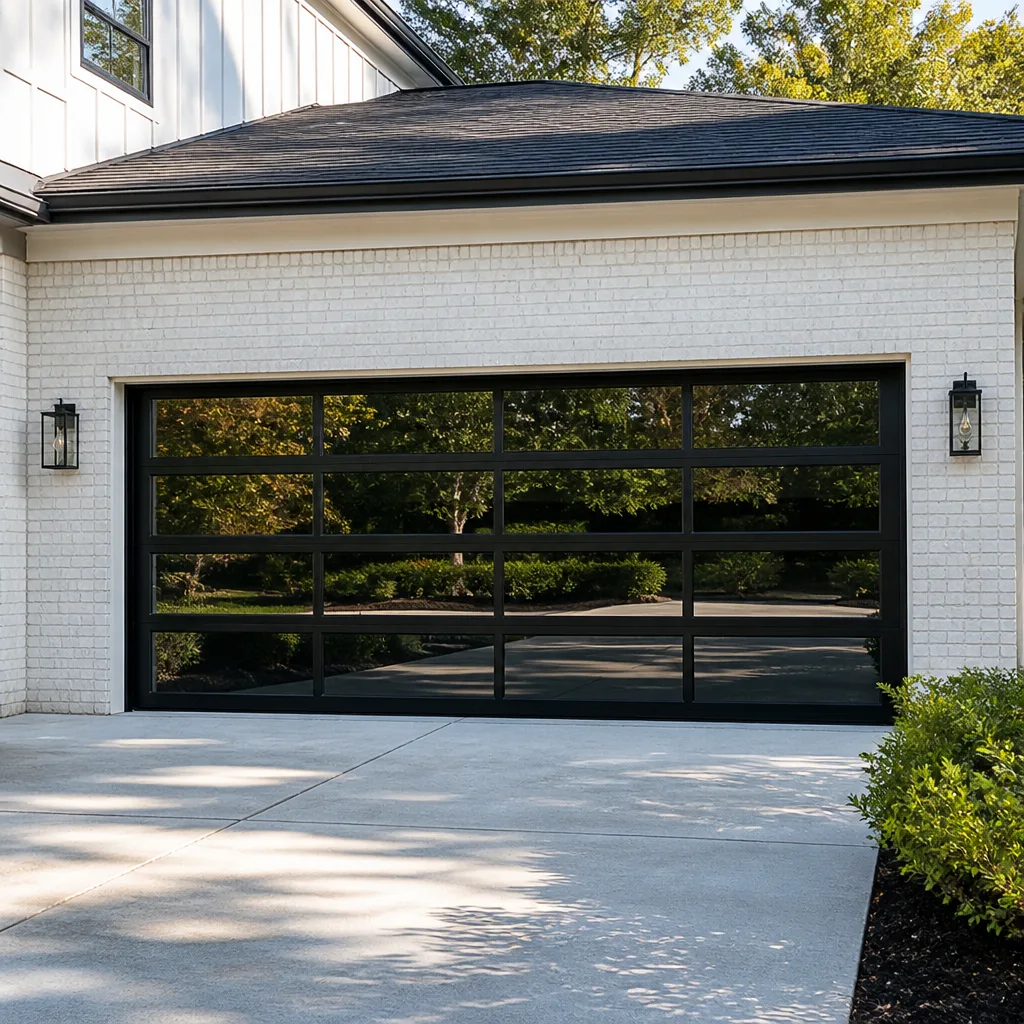 Full-view glass
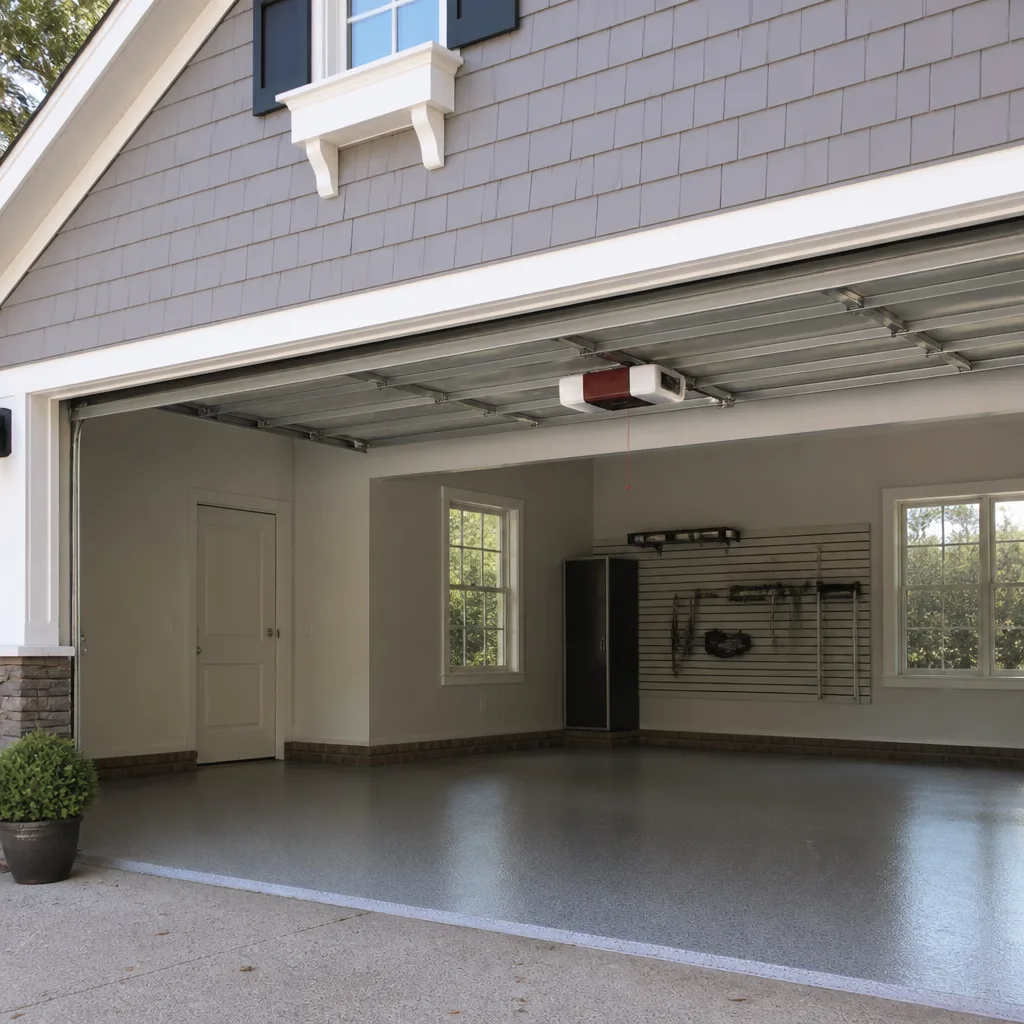 LiftMaster openers
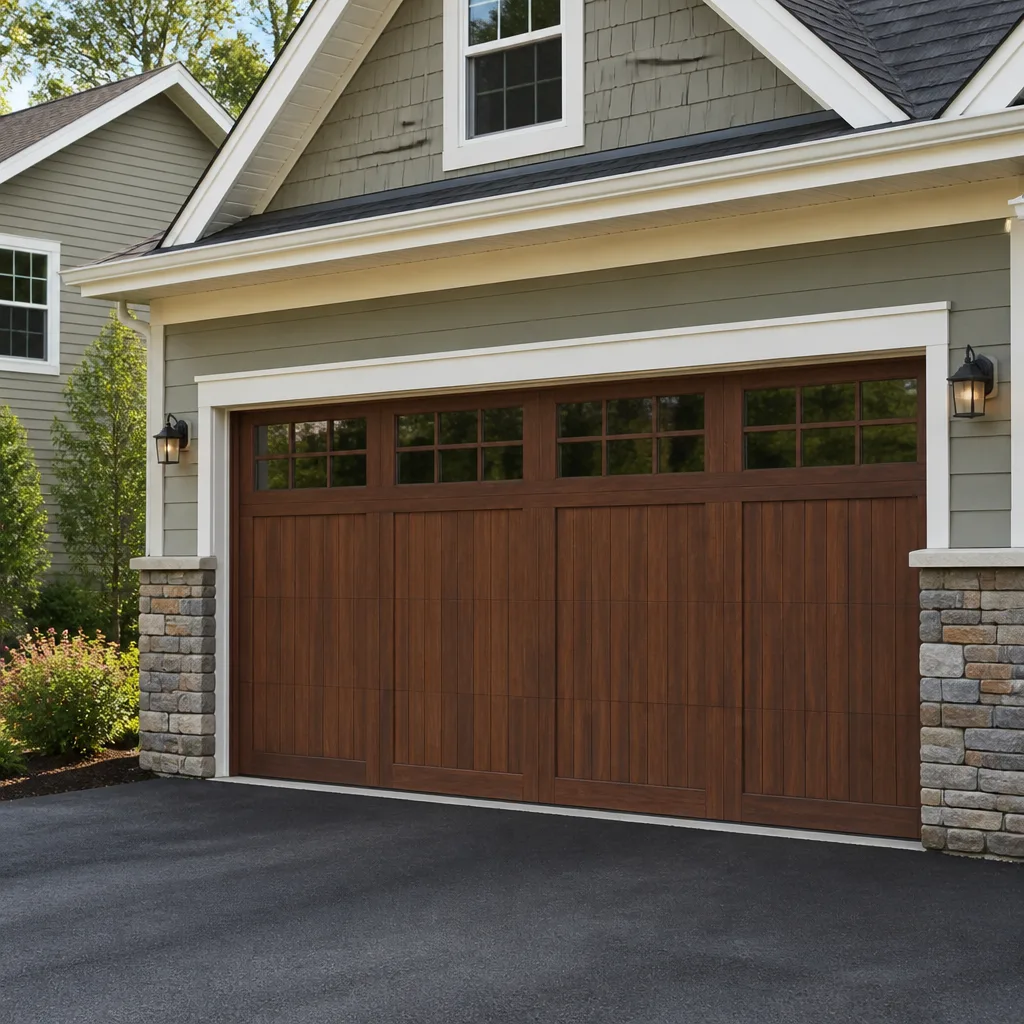 Chamberlain openers
Full 25-point door and opener safety check with every visit - springs, cables, rollers, tracks, and your LiftMaster or Chamberlain opener included
You get a price before we start. It does not change when the pro arrives.
Get your free estimateHow to Hire a Garage Door Contractor in Alexandria: A Step-by-Step Guide
A contractor who services one or two opener brands and subcontracts the panel work isn’t really a garage door company. They’re a referral service with a truck, and Alexandria has plenty of them. The trouble is they often sound just as capable as the specialist on the phone, because everyone says the same things: licensed, insured, honest, fair. What separates a genuine full-system specialist from a generalist who lists garage doors as a sideline is a set of questions almost no homeowner asks before the appointment is booked. This guide gives you those questions, the documents to request, and a comparison framework so you can tell the two apart before anyone touches your door.
Quick Answer
To hire a garage door contractor in Alexandria, verify three things before work starts: that the company can service both your door brand and your opener brand, that you’ve seen proof of licensing and insurance, and that the written quote breaks out labor, parts, and warranty on the same line items. A contractor who handles LiftMaster, Chamberlain, Genie, Craftsman, Clopay, Amarr, Wayne Dalton, and Raynor under one roof diagnoses the actual problem – door, opener, or the interplay between them – rather than steering you toward whatever they happen to install.
Styles & brands we work with
- Raised-panel steel
- Carriage house
- Modern flush
- Full-view glass
- LiftMaster openers
- Chamberlain openers
Table of Contents
- Step 1: Request the Right License and Insurance Documents
- Step 2: Evaluate Brand Coverage Before You Book
- Step 3: Spot the Alexandria Market Red Flags
- Step 4: Ask the Right Questions About OEM Parts
- Step 5: Insist on a Rough Opening Measurement
- Step 6: Compare Quotes Line by Line, Not Bottom Line
- Step 7: Get an Honest Repair-or-Replace Answer
- Step 8: Know Which Jobs You Should Never Touch Yourself
Step 1: Request the Right License and Insurance Documents
Ask for three documents before anyone touches your garage door: proof of Virginia contractor licensure appropriate to the work, a current certificate of general liability insurance, and proof of workers’ compensation coverage. The last one matters more than homeowners realize – if an uninsured helper is injured on your property, the exposure can land on your homeowner’s policy. None of these should take more than a day to produce for a contractor who actually carries them.
Virginia’s requirements are worth understanding because contractors often describe them loosely. The state classifies contractors by project value, and a garage door install or a spring replacement is a home improvement project like any other. What the state requires is a license class and, for home improvement work, a valid contractor license – but the exact class threshold and any local registration requirements in Alexandria should be confirmed with the city’s code administration office and the Virginia Department of Professional and Occupational Regulation, because rules change and the details depend on the scope of your job. Don’t accept “we’re licensed” without the number attached to a name you can look up. A contractor who gets a little impatient at this request is giving you useful information.
Insurance is a separate conversation. General liability covers damage to your property – a dropped panel, a scratched car, a bent track. Workers’ comp covers the technician. Ask for the certificate, and check that the policy is current. Our technicians are trained to walk you through exactly what we carry, and we can work with your insurer if a claim becomes relevant. The point isn’t that paperwork makes a contractor good; it’s that a contractor who can’t produce it is telling you how the rest of the job will go.
Step 2: Evaluate Brand Coverage Before You Book
A contractor who services LiftMaster, Chamberlain, Genie, and Craftsman openers alongside Clopay, Amarr, Wayne Dalton, and Raynor doors has a fundamentally different diagnostic capability than one who specializes in a single line or handles garage doors as a secondary service. That’s the core of the question you should ask: “Which openers and which door brands do you actually work on?” The answer tells you whether they’ll diagnose the failure accurately or simply replace what they know how to replace.
Here’s why the distinction matters in practice. Garage door failures are often ambiguous. A door that reverses halfway up could be a misaligned safety sensor, a worn torsion spring, a binding track, or a logic board fault in a Genie opener that’s confusing the motor. A single-brand technician tends to default to the component they’re trained on. A full-system specialist can isolate the actual failure because they’ve worked on the mechanical and electronic profiles of both. When a Clopay door and a Craftsman opener interact badly, someone who knows only one side of that equation is guessing.
For Alexandria homeowners, this question is especially relevant because the area’s housing stock spans decades. Older row house garages often carry original or replacement doors from Wayne Dalton and Amarr, paired with openers that have been swapped once or twice. Newer builds and townhomes tend to run LiftMaster or Chamberlain. A contractor who works across that range is the one who can walk into your garage and recognize what you actually have before quoting anything. When you book, ask which brands they service – and ask what they do when the problem lives in the door-opener interface rather than either component alone.
Step 3: Spot the Alexandria Market Red Flags
Alexandria’s garage door market is crowded, and a few patterns recur often enough to treat as warning signs:
- A vague or unverifiable address. A real business can tell you where it’s based. A contractor who gives only a phone number and a “service area” may be working out of a truck with no fixed operation behind it, which makes accountability after the fact difficult.
- Quotes given without measuring the rough opening. Any door replacement quote issued over the phone without a measurement is a placeholder, not an estimate. The rough opening dimensions determine which door actually fits, and a contractor who skips that step is either cutting corners or planning a change order later.
- Surge behavior after storm events. When a severe storm rolls through the region, out-of-town outfits sometimes show up in Alexandria offering “storm pricing.” The pace and pricing they quote tend to evaporate once the weather clears and the work becomes hard to track down if there’s a problem.
- Pressure to replace when a repair would do. A contractor whose business is installation may nudge you toward a new door when a spring, cable, or roller replacement is the right call. Ask directly whether the repair is a viable option and why or why not.
- No written quote before work starts. Verbal estimates and “we’ll figure it out at the end” are the setup for an invoice that surprises you. The price should be quoted and agreed in writing before any work begins.
None of these signals is conclusive on its own, but two or three together should send you to a different call. Alexandria has enough capable contractors that you don’t need to gamble on a vague one.
Step 4: Ask the Right Questions About OEM Parts
The single most important parts question is whether the contractor uses OEM (original equipment manufacturer) parts or aftermarket equivalents for springs and cables. OEM parts are built to the specification of the door or opener manufacturer; aftermarket parts are made by third parties to variable standards. For a door that cycles several times a day, that difference translates directly into longevity.
Springs are where this matters most. A torsion spring’s cycle life is determined by its wire gauge, coil count, and material – variables that aftermarket suppliers sometimes cut to hit a lower price. A high-cycle household, one where the door opens and closes a dozen times a day because someone’s coming and going, wears through a cheap spring faster than the cycle rating suggests. Ask the contractor:
- Which manufacturer made the springs you plan to install?
- What’s the expected cycle life of that spring?
- Are cables OEM or aftermarket, and is the hardware grade the same as the original?
- Will the replacement match the original door’s specifications, or is it a “close enough” fit?
- What’s the warranty on the parts, and is it separate from the labor warranty?
Cables deserve the same scrutiny. A cable failure can send a door crashing down, which is why the grade and attachment method matter as much as the spring rating. Ask whether the contractor can tell you the door’s original specification and match it. A specialist who works across Clopay, Amarr, and Wayne Dalton doors can; a generalist often can’t.
Step 5: Insist on a Rough Opening Measurement
For any replacement or new-door install, the rough opening measurement is non-negotiable. The rough opening is the framed opening in the wall that the door and track system fit into, and it determines everything: door width and height, track placement, headroom above the opening, and whether a standard door will fit or a custom size is required.
Here’s what a legitimate measurement visit includes:
- Width and height of the rough opening, measured at more than one point to catch a frame that’s out of square.
- Headroom – the distance from the top of the opening to the ceiling – which determines whether a standard track will work or a low-headroom configuration is needed.
- Backroom, the horizontal distance from the opening to the back of the garage, which dictates track length and door panel height.
- Sideroom, the clearance on each side of the opening, which affects track mounting.
- The opener’s type and mounting, if the new door will use the existing opener or need a compatible replacement.
If a contractor emails a quote for a replacement door without ever visiting and measuring, that quote is a number, not an estimate. It’s fine to ask for a ballpark on the phone, but the written price should follow the measurement. And when the measurement does happen, ask to see the numbers. A contractor who shows their work is a contractor who’ll stand behind it.
Step 6: Compare Quotes Line by Line, Not Bottom Line
A bottom-line number alone tells you almost nothing. Two quotes for the same repair can differ by hundreds of dollars because one uses OEM springs and the other uses aftermarket, or because one includes haul-away and the other doesn’t, or because one warranties the labor for a year and the other offers a handshake. To compare fairly, structure both quotes the same way:
- Labor – the charge for the work itself, broken out separately from parts.
- Parts – each part listed by name, manufacturer, and quantity. A spring quote should say how many springs are being replaced; a matched pair costs roughly twice the price of a single spring, and the quote should reflect that honestly.
- Warranty terms – the parts warranty and the labor warranty listed separately, with duration.
- Haul-away and disposal – whether the old door and hardware are removed and disposed of, or left behind.
- Permits – for a replacement or new install, whether a permit is required and who’s obtaining it. Most cities require one for a door replacement, so ask your city’s building department about the specifics for your address.
- What’s excluded – the surprises often live here. Ask for it in writing.
Once both quotes are on the same template, the comparison becomes straightforward. A quote that’s $80 higher on labor but uses OEM springs and includes a labor warranty is often the better deal over the life of the door. And the price should be quoted and agreed in writing before the work begins, so the invoice matches the estimate when the job is done. If a contractor won’t put the scope and the price in writing in advance, that’s the answer to your question about what the final bill will look like.
Step 7: Get an Honest Repair-or-Replace Answer
Most garage door problems are repairable, and the honest answer to “do I need a new door” is usually no. Springs, cables, rollers, hinges, tracks, and openers are all replaceable components. A door that’s noisy, unbalanced, or sticking is usually a repair job. A door that’s structurally damaged – cracked panels, a bent bottom section, a frame that’s pulling away – is more likely a replacement conversation. What matters is that the contractor gives you the repair option first and explains clearly why replacement might beat repair in your specific case.
Our approach is repair-first: we look at the door and opener together and tell you what the actual failure is. If a spring replacement solves it, that’s the quote. If the door’s panels are compromised and a new door is the right call, we say so – and because we handle both repair and installation, we’re not in the position of steering you toward the answer that fits our business model rather than your situation. Alexandria homeowners deserve that clarity, especially when the “just replace it” recommendation shows up unexpectedly on a job that could have been fixed for a fraction of the cost.
Ask the question directly during the appointment: “Is this repairable, and would you recommend that as the first option?” A contractor who can’t answer that without hedging is a contractor to keep moving past.
Step 8: Know Which Jobs You Should Never Touch Yourself
Some garage door work is genuinely dangerous and should always go to a trained professional. The torsion spring system, the cables, and – on the opener side – any wiring tied to a high-voltage circuit are the three that homeowners should not attempt. Torsion springs store enormous energy even when the door is down; the tools used to tension them can cause serious injury if they slip. Cables under tension can snap with similar force. Electrical work on a circuit that powers the opener carries its own risk.
For those components, what you can do is observe and describe: what the door does when it opens, where the noise comes from, whether it’s balanced, whether the sensors are aligned. Those observations help a technician diagnose quickly when they arrive. What you shouldn’t do is try to remove or adjust the springs, cables, or electrical connections yourself. Include this in your thinking when you hire: a contractor who acknowledges the safety side and can describe how they handle those components is showing you their working standard. A contractor who breezes past it is showing you something else.
Common Mistakes to Avoid
- Booking the first company that answers. The first voice on the phone is not the best choice; it’s the fastest to pick up. Compare at least two quotes on the same itemized template before committing.
- Accepting a phone quote for a replacement. Alexandria homes vary widely in garage size and opening dimensions, and a quote given without a measurement is a placeholder. Insist on a measurement visit before a written price.
- Skipping the insurance check. A contractor who can’t produce a certificate of insurance is a contractor whose liability becomes yours. This is the fastest filter in the guide, and it takes one email.
- Assuming brand coverage means multi-brand service. “We service all major brands” is a claim, not a capability. Ask which ones specifically, and ask what they do when the problem sits between the door and the opener.
- Comparing quotes on the bottom line only. Look at the parts spec, the labor line, and the warranty terms. The cheapest number is often the most expensive job six months later.
- Never asking about parts origin. OEM versus aftermarket springs and cables is the difference between a door that lasts and one that needs another repair sooner than you’d expect.
- Attempting spring or cable work yourself. This is the one mistake that can result in serious injury. Leave it to a trained technician.
See the difference
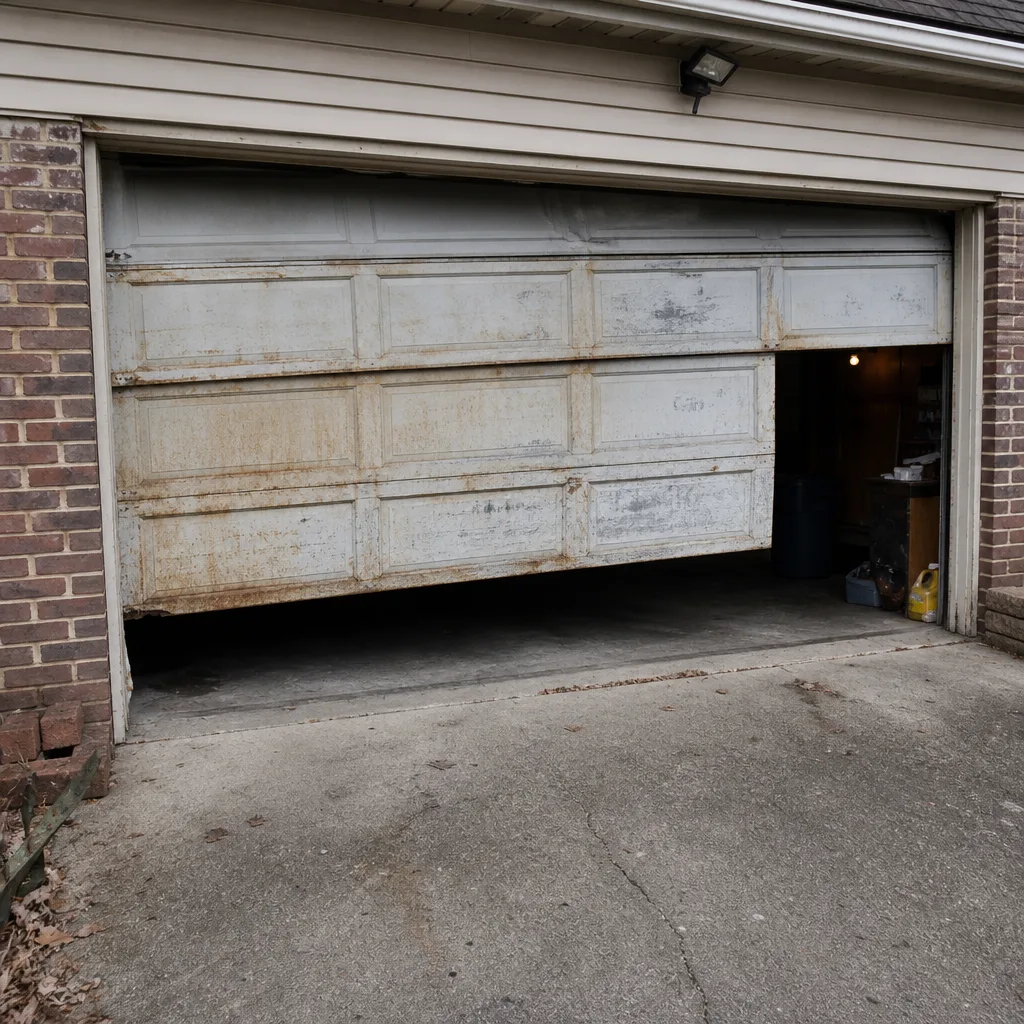 Before
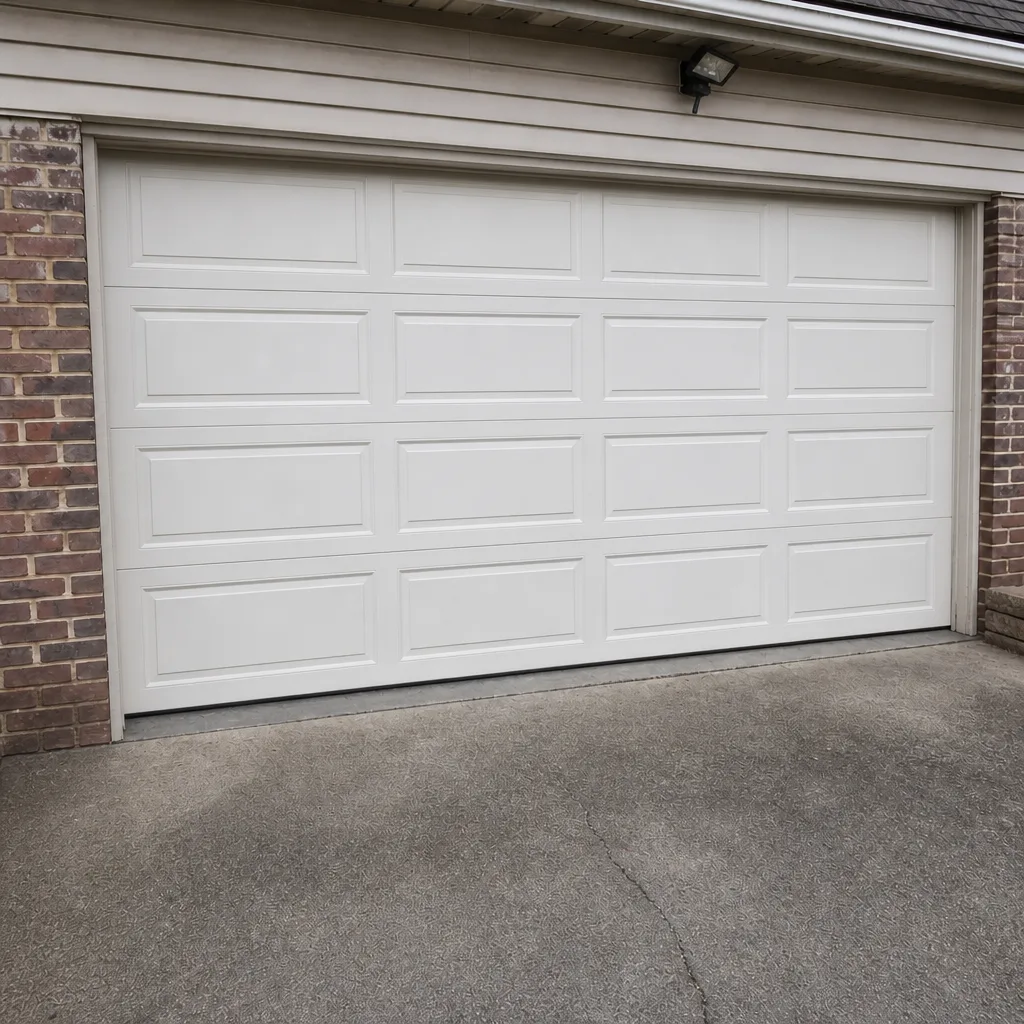 After
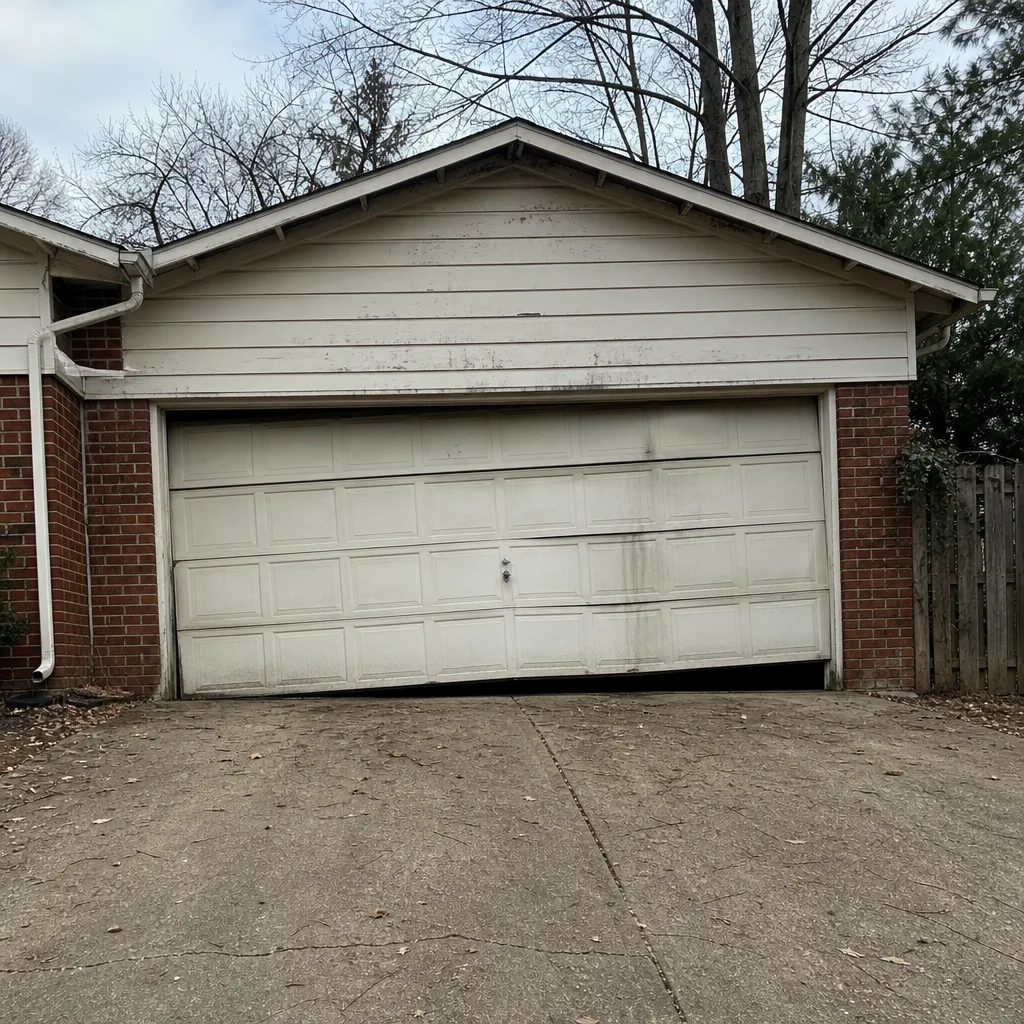 Before
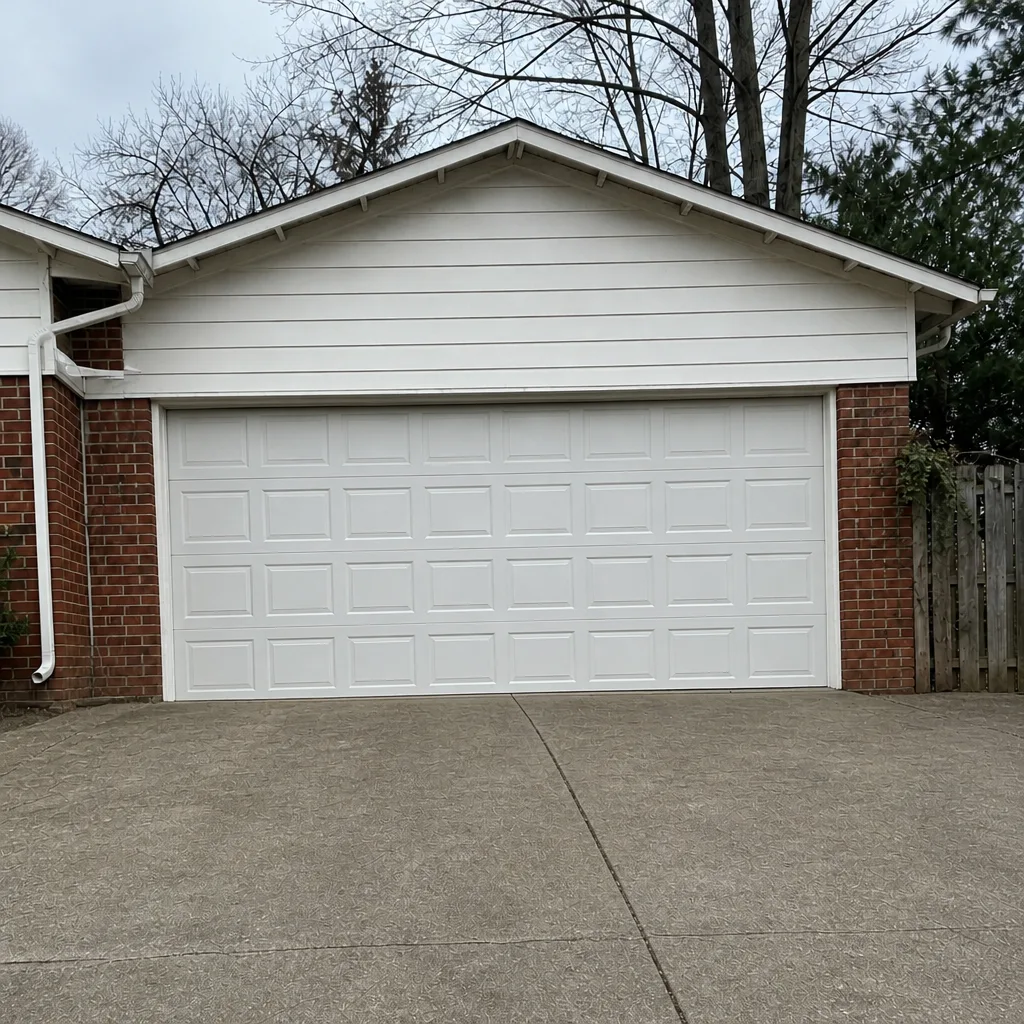 After
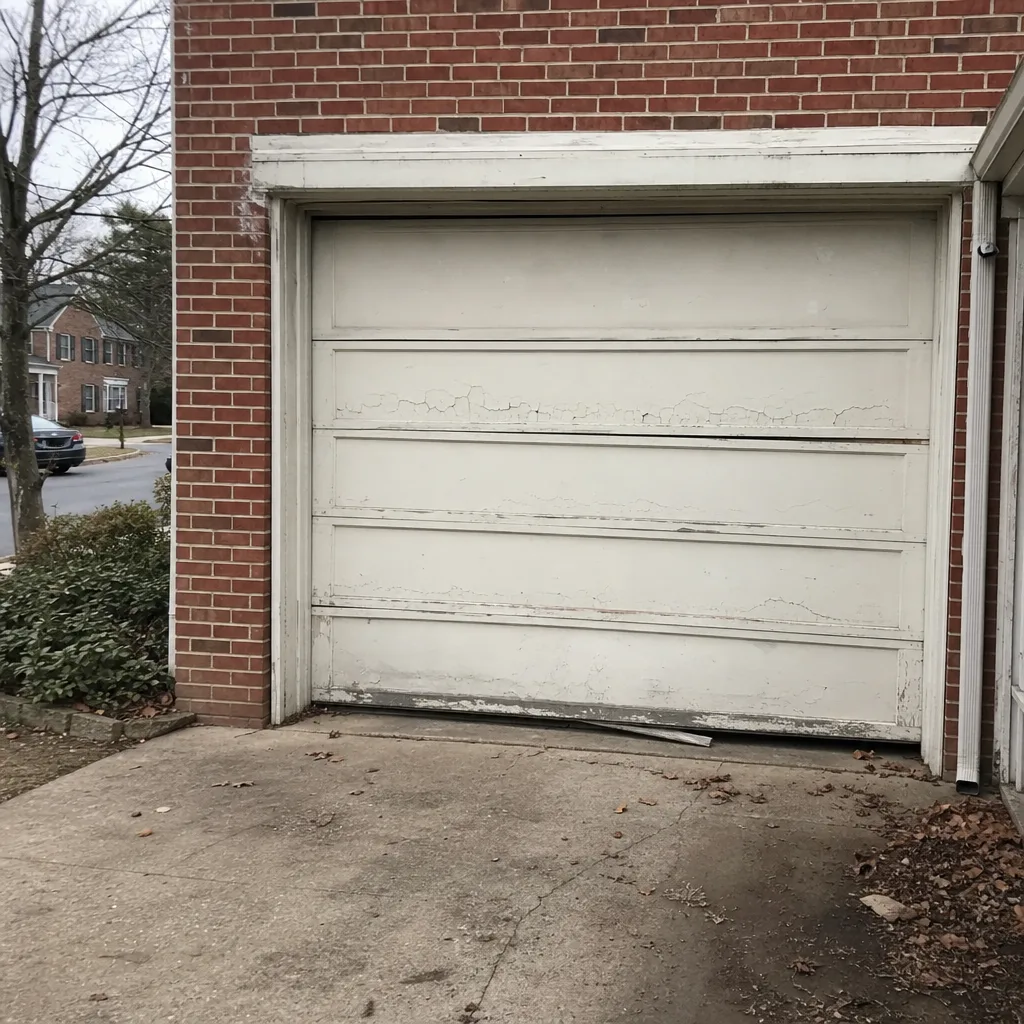 Before
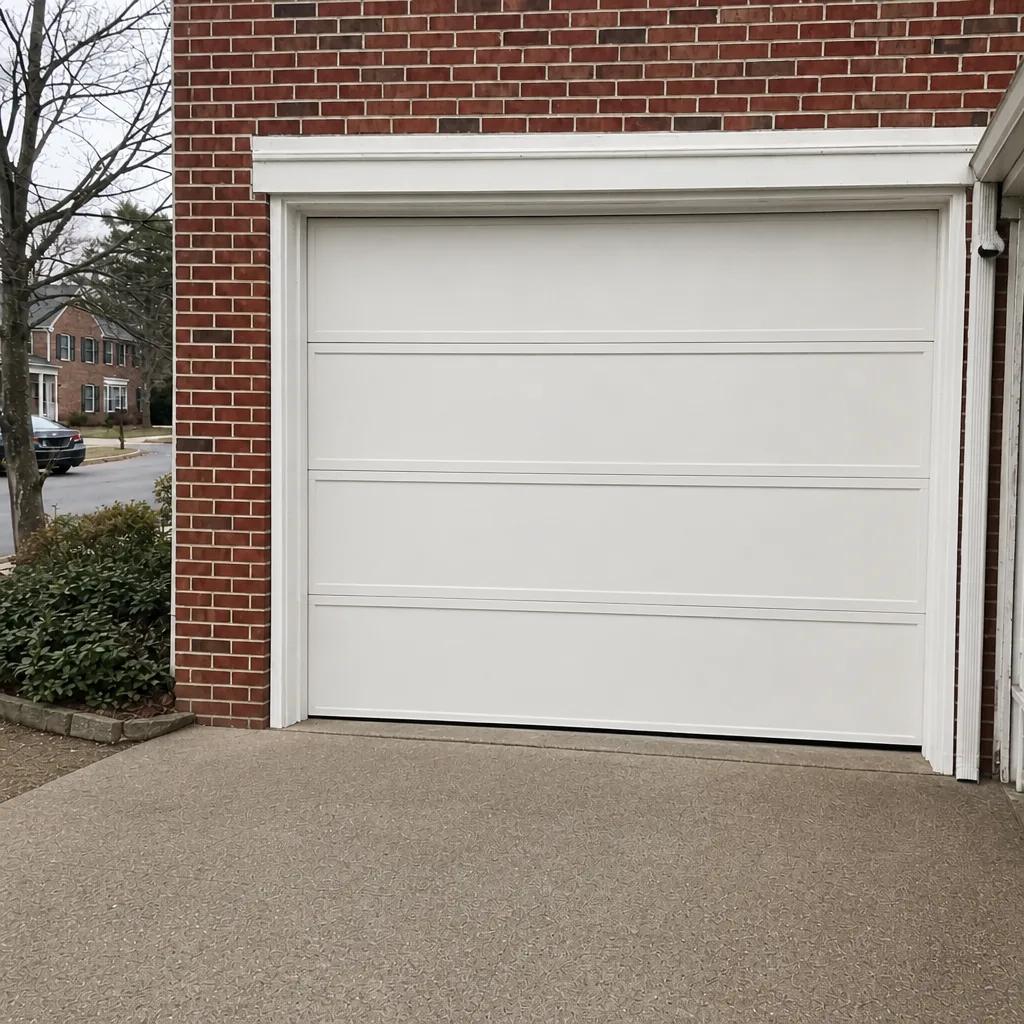 After
When to Call a Professional
Call a professional when the door reverses before it closes, when it opens unevenly or binds on one side, when you hear a loud snap from the spring system, when the opener runs but the door doesn’t move, or when the door is visibly off its track. Those are the situations where a fast, accurate diagnosis saves money, and they’re also the ones where DIY repair risks injury. For a repair that can’t wait, fast dispatch is available from 7am to 7pm, Sunday through Friday. For a replacement or new-door install, the right next step is a measurement and a written price – that work is measured, ordered, and scheduled rather than done on the same visit. Paragon Garage Door Repair offers free estimates in Alexandria – call (866) 812-5587. We answer 24/7.
Frequently Asked Questions
Garage door repairs in Alexandria typically range based on the component involved, with spring and cable replacement on the lower end and opener or structural repair on the higher end. A matched pair of springs cost about twice the price of a single spring. The written estimate sets the final price, and it’s quoted and agreed before any work starts. Call (866) 812-5587 for an exact quote – estimates are free.
For repairs, yes – same-day service is often available with fast dispatch from 7am to 7pm, Sunday through Friday. We’re closed Saturday. For a replacement or new-door install, the sequence is a measurement visit followed by a scheduled install, so the timeline depends on the door and the order. Call (866) 812-5587 to check availability and book.
The quoted price is the price once the scope of work is confirmed and agreed in writing. If the appointment reveals a different problem than the quote addressed, we explain what changed and what it costs before doing the work – no surprises at the end. That’s why an itemized written quote matters. Call (866) 812-5587 for a free estimate.
Yes. We carry the licensing and insurance appropriate to the work, and we can walk you through the documents before the appointment. Feel free to ask for the certificate before anyone arrives. Call (866) 812-5587 to talk through the job and get a free estimate.
Most cities require a permit for a garage door replacement or new installation, and the specifics vary by jurisdiction and scope. Ask the City of Alexandria’s building department for the requirement at your address before the work is scheduled, and ask your contractor whether the permit is included in the quote. Call (866) 812-5587 for an estimate and we’ll walk through the scope with you.
We work on LiftMaster, Chamberlain, Genie, and Craftsman openers, and on Clopay, Amarr, Wayne Dalton, and Raynor doors. That range means we can diagnose whether the problem is in the door, the opener, or the interaction between them, rather than steering toward the brand we happen to know. Call (866) 812-5587 to confirm the brand in your garage.
The Bottom Line
Hiring a garage door contractor in Alexandria comes down to verification, not vibes. Ask for the license and insurance documents, confirm which door and opener brands the company actually services, insist on a rough opening measurement before any replacement quote, and compare quotes line by line on labor, parts, and warranty. Those four steps filter out the generalists and the referral services so the specialist has room to show up. And keep the repair-first mindset front of mind when the conversation turns to replacement – the right fix, not the easiest upsell, is what you’re paying for. If you’d like to see how the process works in your garage, our Alexandria page has more detail, and garage door repair is where to start on the repair side.
When you’re ready to talk through the job, call (866) 812-5587 for a free estimate. We answer 24/7, and fast dispatch runs from 7am to 7pm, Sunday through Friday. For opener-specific issues, see garage door opener repair, and you can read more about Paragon Garage Door Repair and our approach to full-system work. Whether your next step is a repair, an opener diagnosis, or a measured quote for a new door, we’ll give you the honest answer – from the opener to the panel, a Paragon job is a finished job.
Written by the team at Paragon Garage Door Repair.