
Last updated November 16, 2026
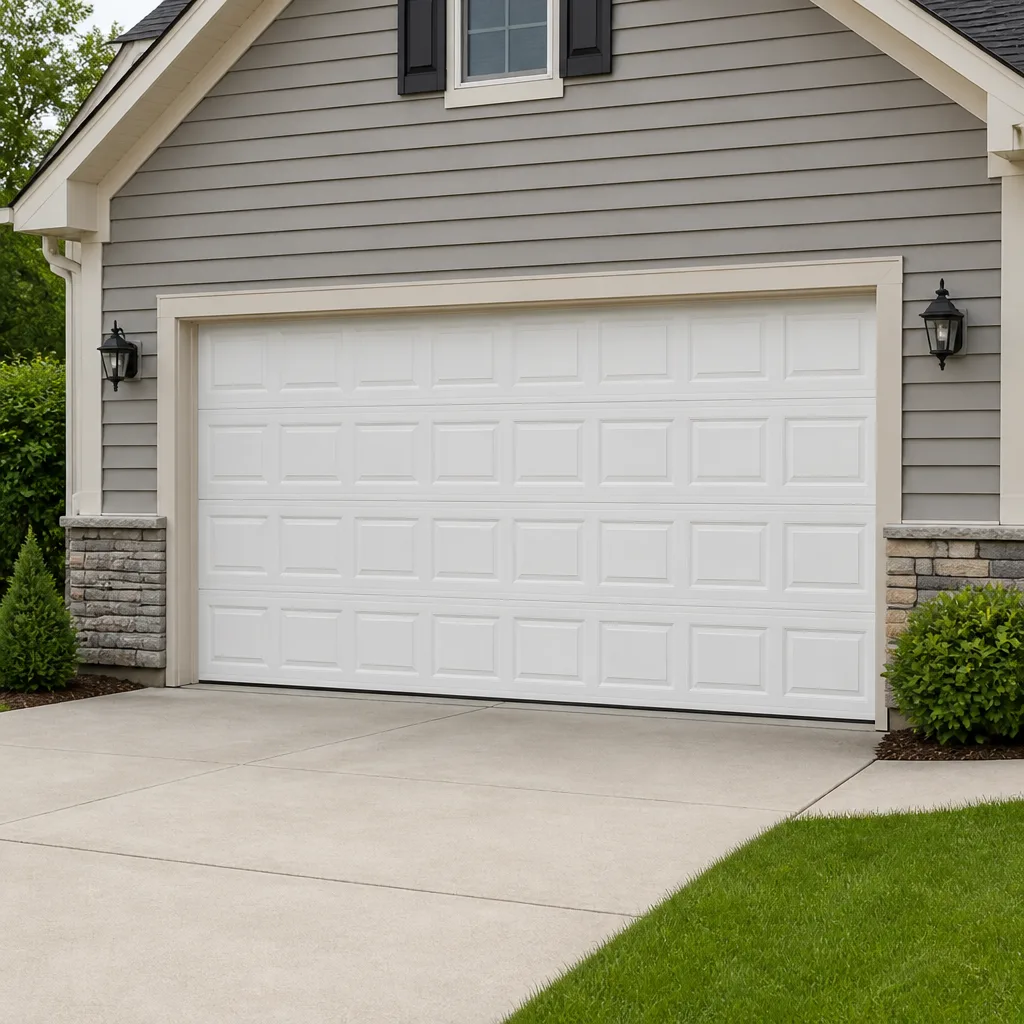 Raised-panel steel
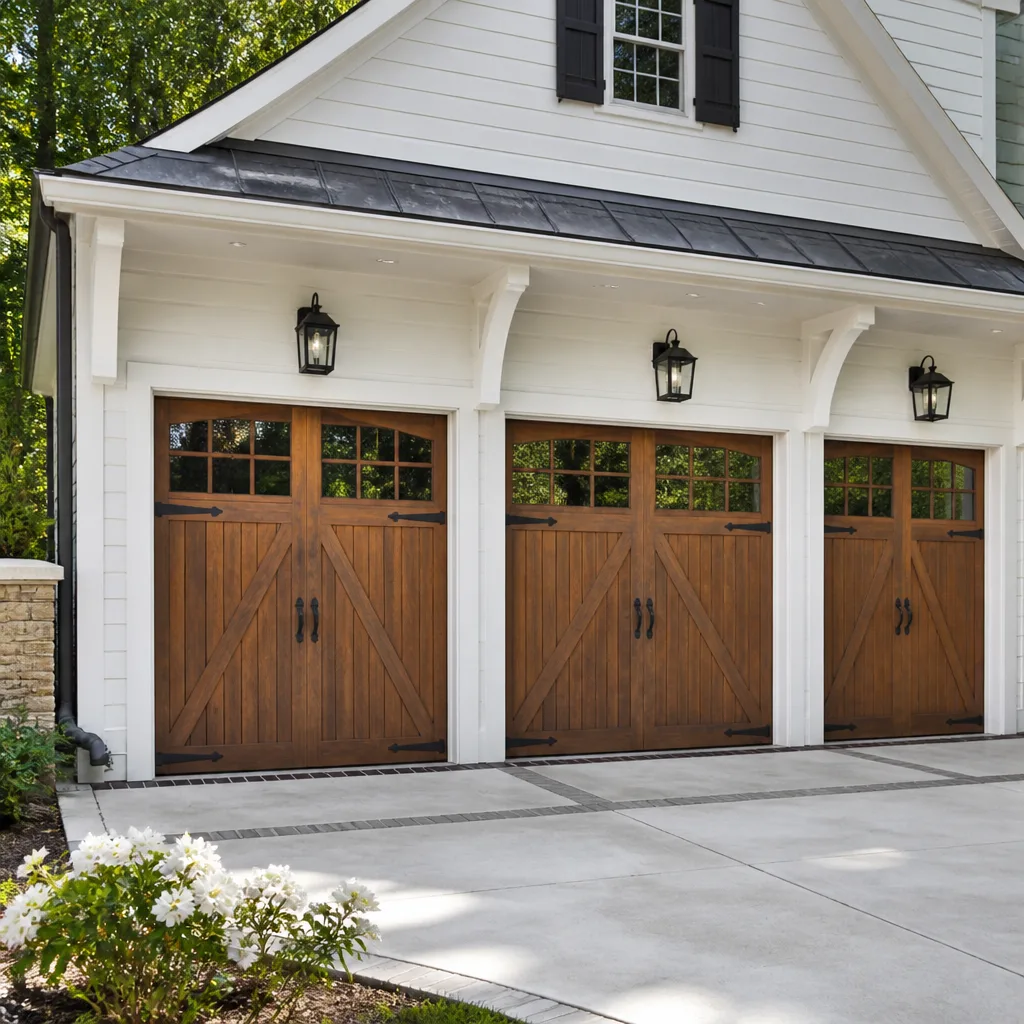 Carriage house
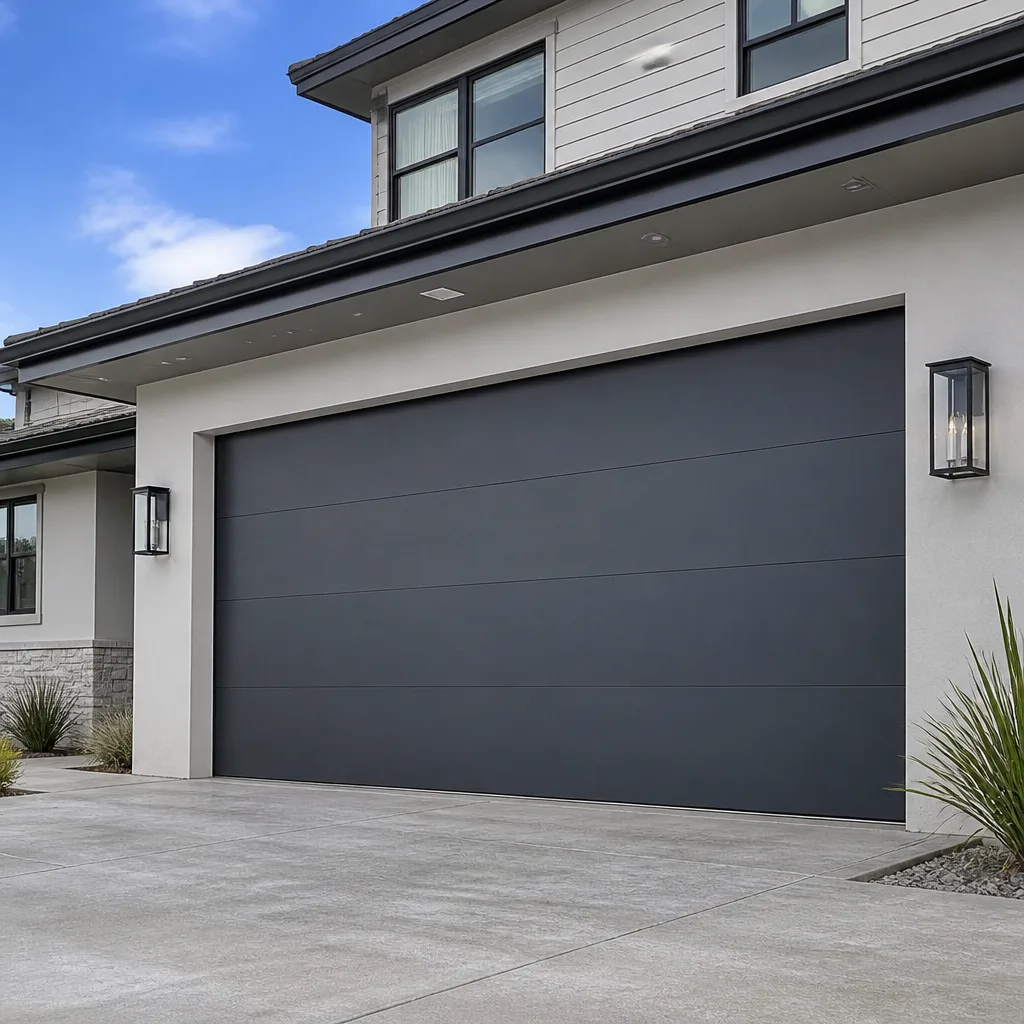 Modern flush
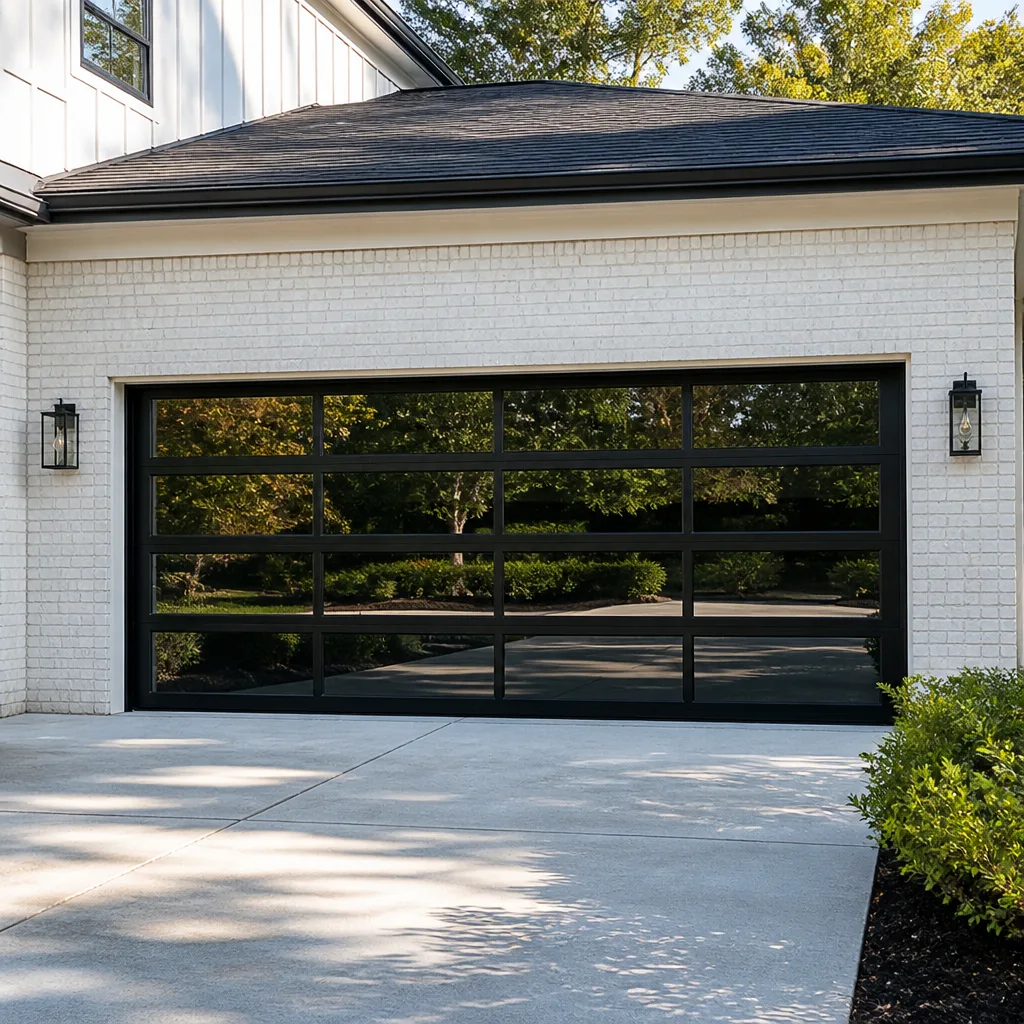 Full-view glass
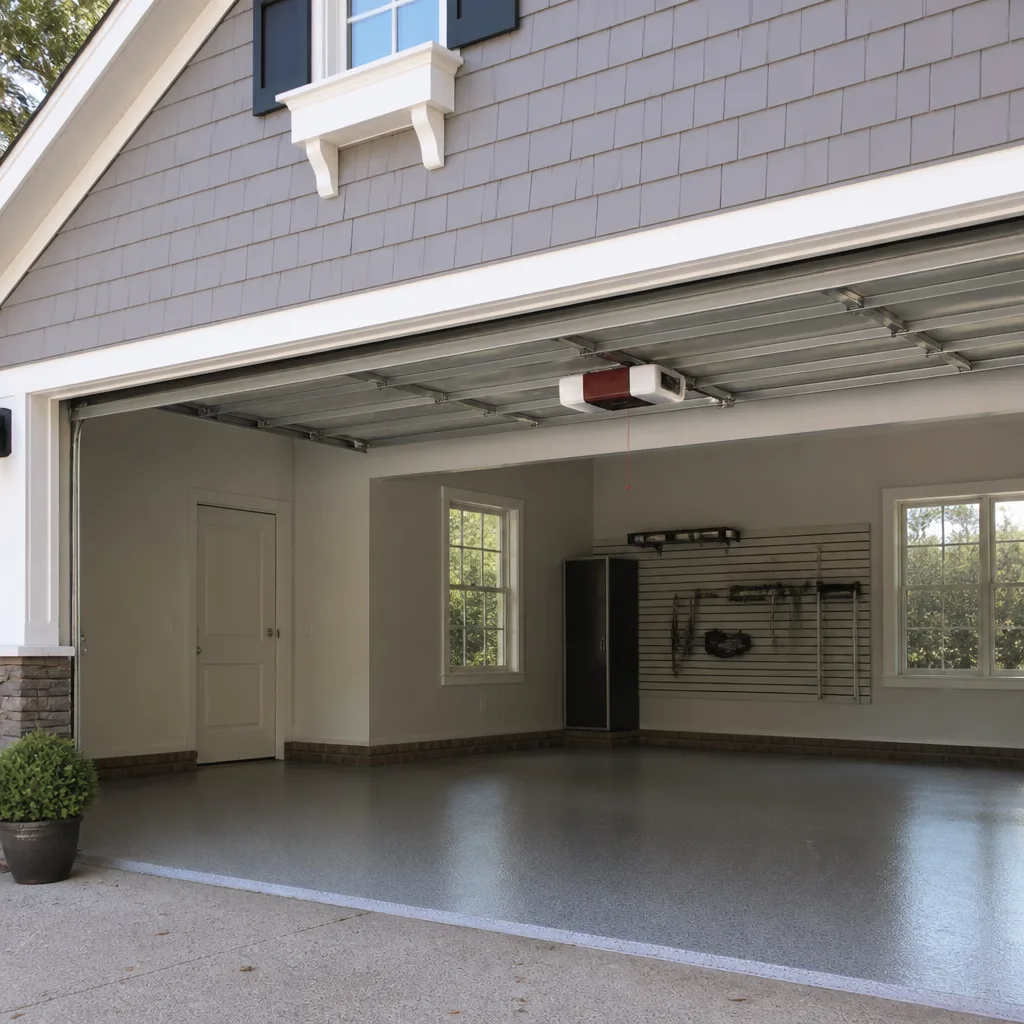 LiftMaster openers
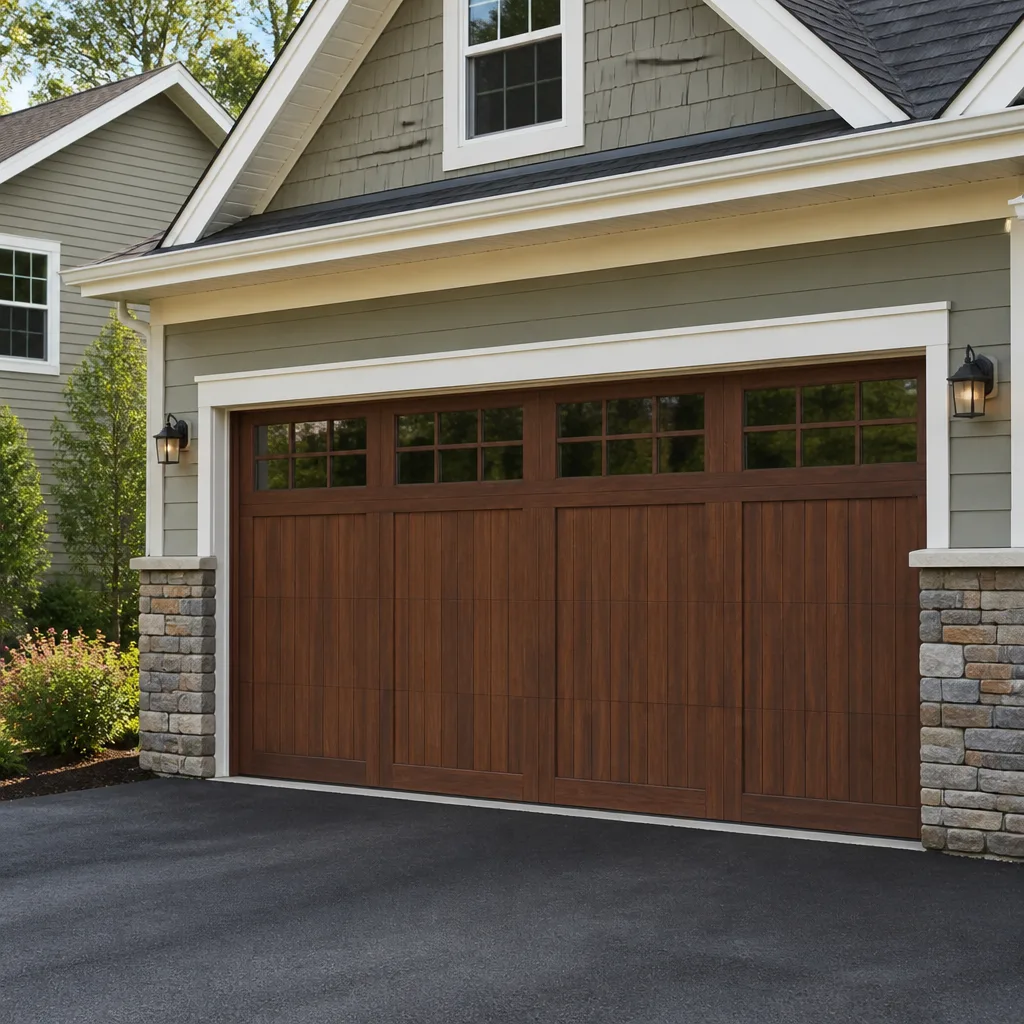 Chamberlain openers
Full 25-point door and opener safety check with every visit - springs, cables, rollers, tracks, and your LiftMaster or Chamberlain opener included
You get a price before we start. It does not change when the pro arrives.
Get your free estimateSeasonal Garage Door Care for Alexandria: Year-Round Homeowner’s Guide
If you ask most homeowners when a garage door is most likely to fail, they’ll say after a snowstorm. In Alexandria, that’s rarely how it goes. The busiest week for service calls tends to be the first hard freeze in November, when parts that have been quietly wearing out all summer finally meet cold-stiffened grease and a heavier load, and something gives. Winter gets blamed, but the damage was building since June. This guide walks through the garage door season by season the way Northern Virginia actually experiences it: freeze-thaw cycles, humid summers, and spring storms. You’ll get a month-by-month calendar, the signs worth watching for, and the checks that cost you a few minutes instead of a Sunday.
Quick Answer
Seasonal garage door care in Alexandria means matching maintenance to our real weather calendar rather than a generic once-a-year reminder. The essentials: lubricate moving parts and hardware in October before the first freeze, inspect and clean weather seals in late March after the thaw and again in June when humidity climbs, test the opener’s battery backup before storm season, and check the manual disconnect now rather than during an outage. A door that gets these checks in Alexandria usually avoids the November surprise.
Styles & brands we work with
- Raised-panel steel
- Carriage house
- Modern flush
- Full-view glass
- LiftMaster openers
- Chamberlain openers
Table of Contents
- Why Alexandria’s Climate Works Against Your Garage Door
- The Month-by-Month Care Calendar for Alexandria
- Freeze-Thaw Cycles and Your Bottom Weather Seal
- Summer Humidity and Wood-Composite Doors
- Storm Season Prep: Test the Manual Disconnect First
- Opener Battery Backup and Alexandria’s Power Outages
- Cold-Weather Opener Force and the November Failure
- Common Mistakes to Avoid
- When to Call a Professional
- Frequently Asked Questions
Why Alexandria’s Climate Works Against Your Garage Door
Alexandria sits in a part of the mid-Atlantic that gets a genuine four-season workout. That matters because a garage door and its opener are the sum of moving parts, springs, cables, rollers and electronics, and each of those reacts differently to heat, cold and moisture. In a mild climate, a door can go years with almost no attention. Here, the conditions shift enough through the year that parts flex back and forth repeatedly instead of settling into one state.
Start with the freeze-thaw cycle. Northern Virginia regularly swings above and below freezing through the winter, often within a single week. Water that gets into a seal or a track joint during a mild afternoon freezes solid that night, expands, and works the material loose. Repeat that dozens of times a season and rubber weather seals that would last years in a drier place start to crack, warp and pull away. This is the single biggest reason garage doors in Alexandria wear differently than doors in Phoenix or Denver.
Then there’s the humidity. Our summers run wet, and a garage door is a big flat surface with wood or composite panels, metal hardware and painted steel all in the same space. Wood swells, metal fasteners can corrode, and the whole door can gain a little weight without anyone noticing. A door that balanced perfectly in April may feel heavier by August, which loads the springs and the opener a bit more than they were set up for.
Spring brings storm season, and storm season brings power outages. That’s the third pressure point, and it’s the one most homeowners never think about until the power’s already out and the door won’t move. Understanding these three seasonal stresses is the whole foundation of a care plan for a door in Alexandria. Everything below hangs off them.
The Month-by-Month Care Calendar for Alexandria
You don’t need a formal maintenance program to keep a garage door healthy in Alexandria. You need a handful of small tasks timed to the weather. Here’s the calendar we recommend, organized around what’s actually happening outside.
- Late March, after the last freeze: Walk the perimeter of the door and check the bottom weather seal for cracking or separation. Clear grit from the tracks. Look at the hardware for rust or loose bolts.
- April, spring storm prep: Test the opener’s safety reverse and the manual disconnect. Check the battery backup, since our storms knock out power.
- June, humidity arrives: Inspect seals again for swelling or sticking. On wood-composite doors, look for panel swelling. Re-test the door balance and note if it feels heavier.
- July-August, peak heat and humidity: Watch for a door that’s slow to close or that strains the opener. Listen for new sounds on the way up and down.
- September, before school and storm season: Tighten hardware, clean tracks, test the safety reverse again, and check the battery backup status light.
- October, the pre-freeze lubrication: Lubricate hinges, rollers, springs and the opener’s rail with a proper garage door lubricant. This is the most important single task on the calendar for Alexandria.
- November, the cold-snap check: Run the door up and down a few times. If the opener strains, grinds or reverses, have the force setting looked at by a technician.
- January-February, deep winter: Keep the seal clear of ice buildup at the threshold. Avoid forcing a stiff door.
If you do nothing else, do the October lubrication and the November check. Those two tasks catch the vast majority of the failures we hear about in Alexandria each winter.
Freeze-Thaw Cycles and Your Bottom Weather Seal
The bottom weather seal is the rubber or vinyl strip along the bottom edge of your door, and it’s the part most exposed to our winters. It presses against the floor to keep out drafts, water and cold air, which means it’s also the part that sits in whatever moisture collects on the garage floor. When the temperature swings, that trapped moisture freezes and thaws against the seal repeatedly.
Standard rubber seals can fail faster in Alexandria than in drier climates for a simple reason: they never get a real break from the freeze-thaw cycle. The material stays slightly damp, then freezes, then thaws, then freezes again. Over a winter of that, the rubber hardens, cracks at the edges, and eventually pulls away from the door or flattens where it meets the floor. Once that happens, cold air and water get in, and the seal fails to do its job. In our experience, it’s one of the most common maintenance items on Alexandria doors.
What to check, season by season:
- Late March: Run a hand along the seal and look for splits, brittleness or a gap where the seal meets the floor. A seal that’s flat and stiff has done its time.
- June: Make sure the seal still sits flat against the floor after the door closes, with no daylight visible underneath.
- October: Clean the seal and the floor area where it lands. Debris trapped there makes the seal fail sooner.
- After any storm: Look for displacement or water pooling at the threshold.
A worn bottom seal is a small, inexpensive fix compared to the water and cold-air problems it prevents. If yours is cracked, brittle or not sealing at the floor, replacing it now saves a bigger headache in January.
Summer Humidity and Wood-Composite Doors
Wood-composite garage doors, found on many older Alexandria homes and plenty of newer ones too, react to humidity in ways steel doors don’t. When summer humidity climbs, the wood content in the composite absorbs moisture. Panels can swell, gaps between sections can close up, and the door can gain weight and balance differently than it did in the dry spring. None of that is a disaster on its own, but it changes the load on your springs and opener.
The trick is telling cosmetic swelling from structural movement. What you’re looking for:
- Cosmetic: Slight tightness between panels, minor paint flaking at seams, or minor surface texture changes. These usually subside when humidity drops in the fall.
- Structural: Panels that won’t close evenly, a door that visibly bows, cracks along the panel edges, or a door that binds against the frame on the way down. These are worth having a professional look at.
If the door has gained weight seasonally, springs can be adjusted to compensate. That’s a spring-tension adjustment, and we’ll say plainly: torsion springs operate under extreme tension and adjusting them is dangerous. This is a job for a trained technician, not a homeowner with a wrench. If your door feels heavier in July than it did in April, or the opener strains to lift it, that’s the point to call and describe what you’re seeing. A technician can tell you whether it’s a balance issue, a spring-tension issue or the start of something else.
Storm Season Prep: Test the Manual Disconnect First
Every garage door opener has a manual release, usually a cord or handle that disconnects the door from the opener so you can lift it by hand. It exists so you can open the door during a power outage. Most homeowners have never touched it. That’s the problem: a manual release that’s never been tested often doesn’t work when you need it.
Spring storm season in Alexandria means power outages, and ice storms later in the year mean more of them. Before storm season begins, you want to know that your manual disconnect does what it’s supposed to. How to test it, safely:
- Standing clear of the door’s path, pull the release handle so the door disconnects from the opener.
- Lift the door by hand to see if it moves freely. If it’s very heavy or won’t lift, the disconnect or the door balance needs attention.
- Check that the release lever or cord isn’t jammed, rusted or tangled in the track.
- Reconnect the door by moving it until it latches back to the carriage, then test the opener as normal.
Doing this in spring, in good weather, is the point. Finding out your manual release is stuck during a power outage at night, with the car inside, is a worse time to learn. If the door won’t release or won’t lift by hand, or if anything feels jammed, have a trained technician look at it rather than forcing it. A garage door opener repair call before storm season is shorter and cheaper than one during an outage.
Opener Battery Backup and Alexandria’s Power Outages
Battery backup in a garage door opener is exactly what it sounds like: a small battery that lets the opener lift the door a limited number of times when power is out. Given how often storms knock out power in Alexandria, this is a feature worth knowing how to test. It’s also one that quietly ages, so “it’s installed” isn’t the same as “it works.”
When to test, when to replace, and which systems tend to hold up:
- Test in April and again in September, before each storm-heavy stretch. Most openers have a way to test the backup without cutting power; check your opener’s status light or manual, or ask a technician to walk you through it.
- Replace based on age and test results. Backup batteries have a limited service life. If a test shows the door only moves partway, or the status light signals a weak battery, replace it.
- LiftMaster and Chamberlain are the brands we see most often in Alexandria, and both offer backup-equipped openers. Genie and Craftsman also make backup models. We work on all four, and on the doors in front of them, whether that’s a Clopay or an Amarr.
On openers that don’t have a backup, the manual disconnect is your outage plan, which is why testing it matters. If you’re not sure whether your opener has backup, or the status light means nothing to you, a quick diagnostic of your garage door opener repair needs will help sort it out.
Cold-Weather Opener Force and the November Failure
Here’s the mechanism behind the November spike. Your opener is set to a force setting, which governs how hard it pushes and pulls. Over a warm summer, the moving parts ran smoothly and the force setting could be on the lower side and still work fine. Then the cold arrives. Grease that was fluid in September stiffens. The bottom seal hardens against the floor. The door feels heavier to the motor.
Now the opener has to work harder than it did all year, and if the force setting is right at the edge of what the door needs, the door stops or reverses. That’s the “it just quit” call that fills the first cold snap. The fix usually isn’t a new opener; it’s a technician checking the force setting, the balance and the lubrication, and adjusting what needs adjusting. This kind of opener-force adjustment should be done by a technician with the right tools, because the safety reverse settings have to stay correct after any change.
Before the cold hits in Alexandria, you can help yourself by:
- Doing the October lubrication on hinges, springs, rollers and rail.
- Running the door up and down a few times as the first cold arrives and listening for strain.
- Not forcing a stiff door through the opener repeatedly. If it reverses, stop and call.
If your door feels heavier in July and strains in November, the two are connected, and a technician can sort out whether the answer is balance, springs, force setting or an opener that’s simply at the end of its life. Our technicians have up to 12 years of experience diagnosing exactly this kind of pattern.
Common Mistakes to Avoid
- Waiting until something breaks. In Alexandria, the door rarely gives a warning before a cold-snap failure. Routine checks in October and March are what catch the problem while it’s still small.
- Using the wrong lubricant. WD-40 is not a garage door lubricant, and it can wash out the grease that’s supposed to stay. Use a proper garage door lubricant on moving parts and keep it away from the tracks, which should stay clean and dry.
- Filing the weather seal as “good enough.” A cracked or flat bottom seal is easy to overlook, but in our freeze-thaw climate it’s the first place water and cold air get in. Replace it once it stops sealing.
- Never testing the manual disconnect. Finding out during a power outage, at night, that your release is stuck is the worst possible moment. Test it in spring, in good weather.
- Forgetting the battery backup. A backup that’s installed but dead does nothing. Test it before storm season and replace the battery when the test shows weakness.
- Adjusting springs or force settings yourself. Torsion springs are under high tension, and a mis-set force or safety reverse is a real risk. Both are trained-technician work.
- Assuming a heavier door means you need a new one. Seasonal weight gain in summer humidity is often a balance or spring-tension issue. The right fix, not the easiest upsell, is what we look for first.
When to Call a Professional
Some of this guide you can do yourself: the visual checks, the lubrication, the test of the manual disconnect, watching for swelling. The rest is where a trained eye earns its keep. Call a professional when the door feels heavier than it should, when it reverses for no reason, when the opener strains or grinds on the way up, when a spring looks broken or the door won’t stay level, or when the manual release won’t work. Any of those can point to a spring, cable or balance problem, and those are genuinely dangerous to handle without the right tools and training.
If you’re in doubt, call. Paragon Garage Door Repair offers free estimates in Alexandria and works on the doors and openers you already have, from LiftMaster and Chamberlain to Clopay, Amarr, Wayne Dalton and more. See our garage door repair page to get started, and call (866) 812-5587 if you’d rather just talk it through.
Frequently Asked Questions
Twice a year is right for most Alexandria homes: once in late March after the last freeze, and once in October before the first freeze. Those two touch points catch the seal damage from winter’s thaw and the lubrication and force issues that cause the November failures.
Cold stiffens grease and hardens the bottom seal, so the door feels heavier and the opener has to work harder than it did all summer. If the force setting, balance or lubrication is already marginal, the added load is enough to make it stop or reverse. A lubrication pass in October and a force adjustment by a technician usually resolves it.
Check it in late March and look for cracking, brittleness, a gap where it meets the floor, or daylight visible under the closed door. In Alexandria’s freeze-thaw climate a standard rubber seal can harden and fail faster than in drier places, so it’s worth a look each spring.
Mild swelling between panels or small paint movement at the seams is normal in Alexandria’s humid summers, and it usually eases in the fall. Panels that won’t close evenly, visible bowing or cracks along panel edges are structural and worth a professional look.
You don’t strictly need one, but given how often storms knock out power in Alexandria, it’s worth having and worth testing before each storm season. LiftMaster, Chamberlain, Genie and Craftsman all offer backup-equipped openers.
Call when the door feels heavier than it should, reverses for no reason, or won’t lift by hand, or when the manual release is stuck. Those can point to a spring, cable or balance problem, which is dangerous to handle without training. Call (866) 812-5587 and we’ll help you figure out the next step.
The Bottom Line
Garage door care in Alexandria works best when it follows our real weather calendar rather than a generic annual reminder. The two anchors are the October lubrication before the freeze and the November force-and-balance check, but the spring thaw inspection and the summer humidity watch matter just as much. Test the manual disconnect and the battery backup before storm season, look at your bottom seal every spring, and treat dangerous parts like springs, cables and opener settings as trained-technician work. Do that and most winters won’t surprise you. For anything that doesn’t feel right, talk to a professional before it becomes an emergency.
If you’d like a free estimate or just want a second opinion on what your door needs, call Paragon Garage Door Repair at (866) 812-5587. We answer 24/7. Fast dispatch from 7am to 7pm, Sunday through Friday. We’re glad to help Alexandria homeowners keep their doors working through every season. Learn more about what we do on our Paragon Garage Door Repair page, or see our Alexandria service page.
Written by the team at Paragon Garage Door Repair.
See the difference
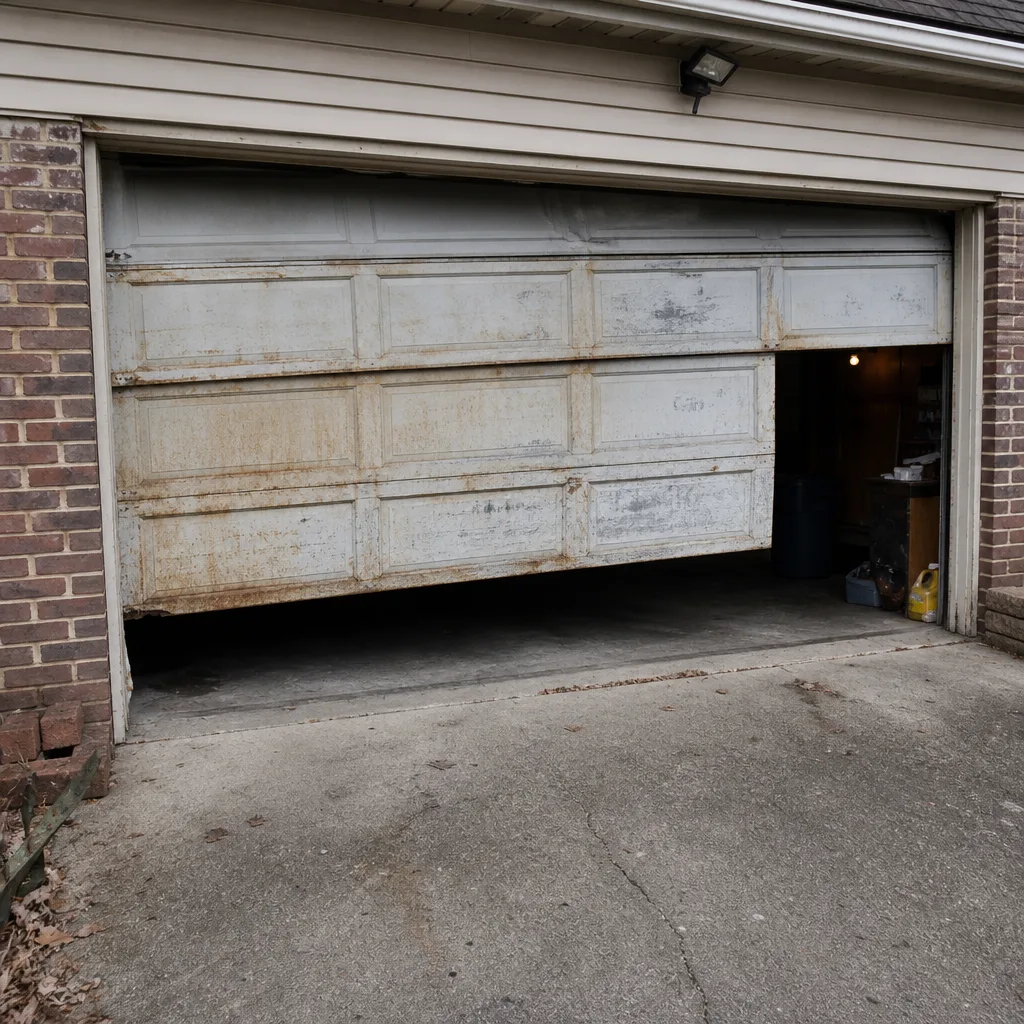 Before
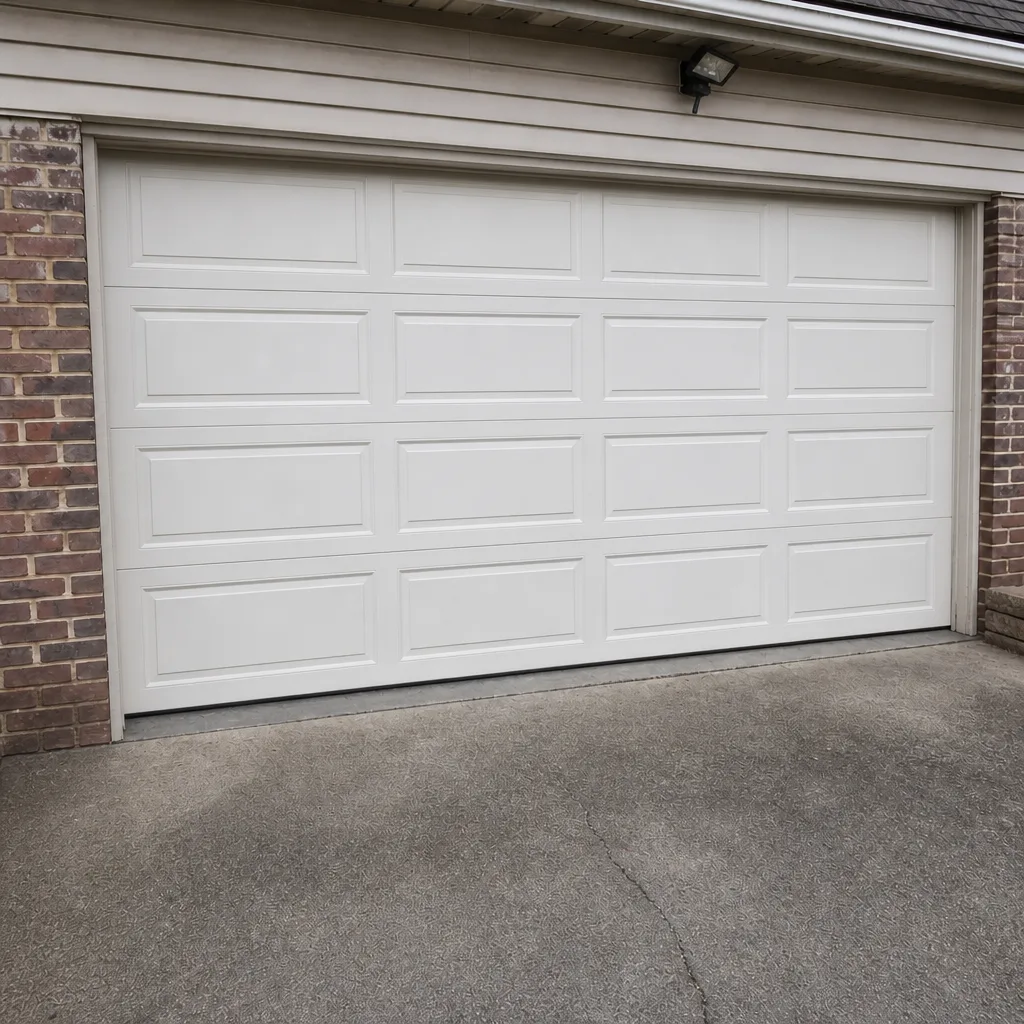 After
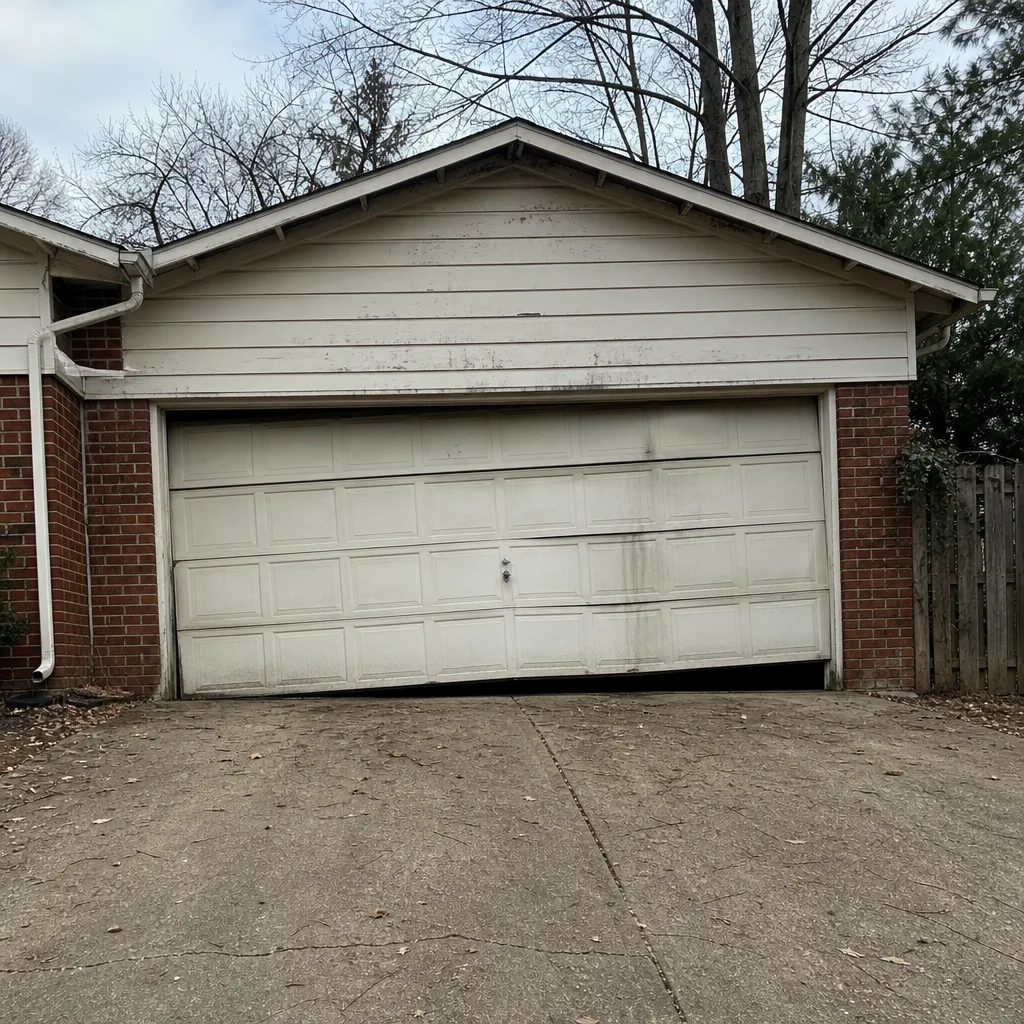 Before
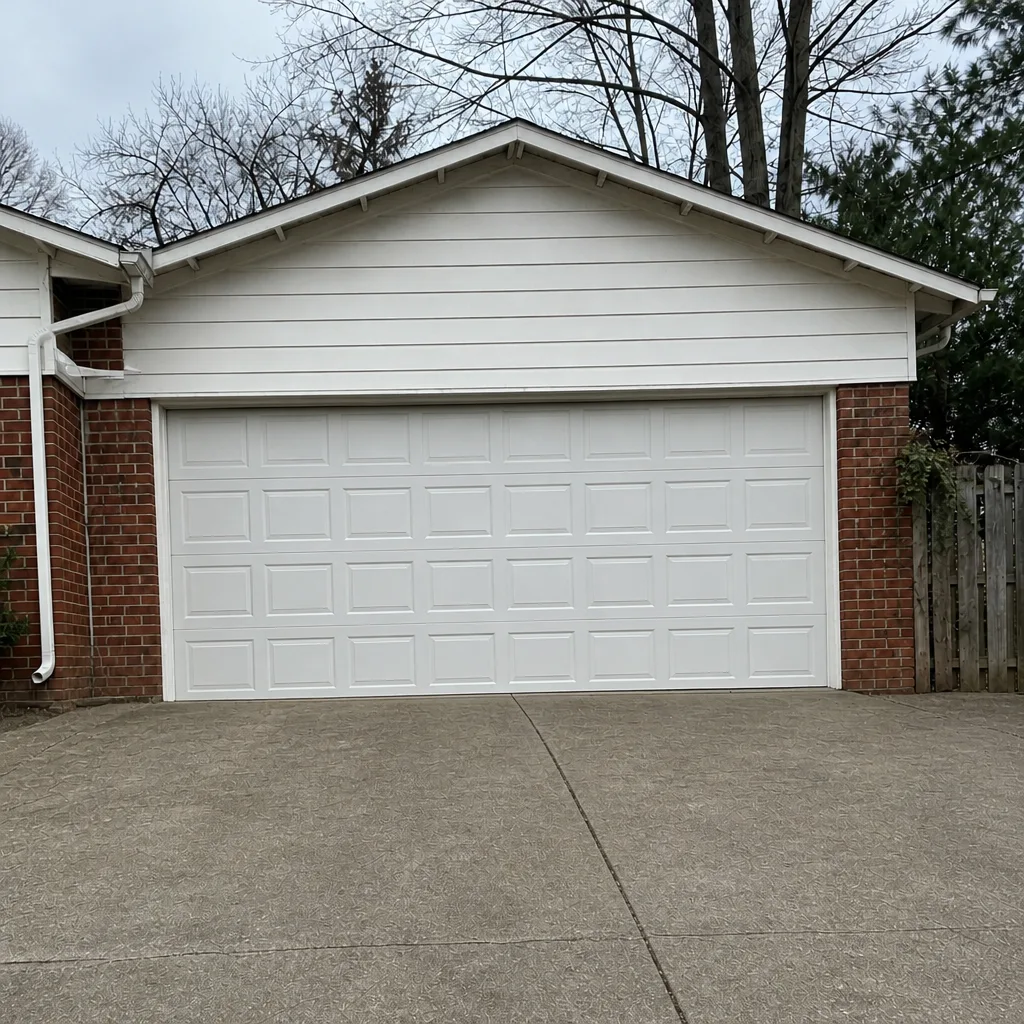 After
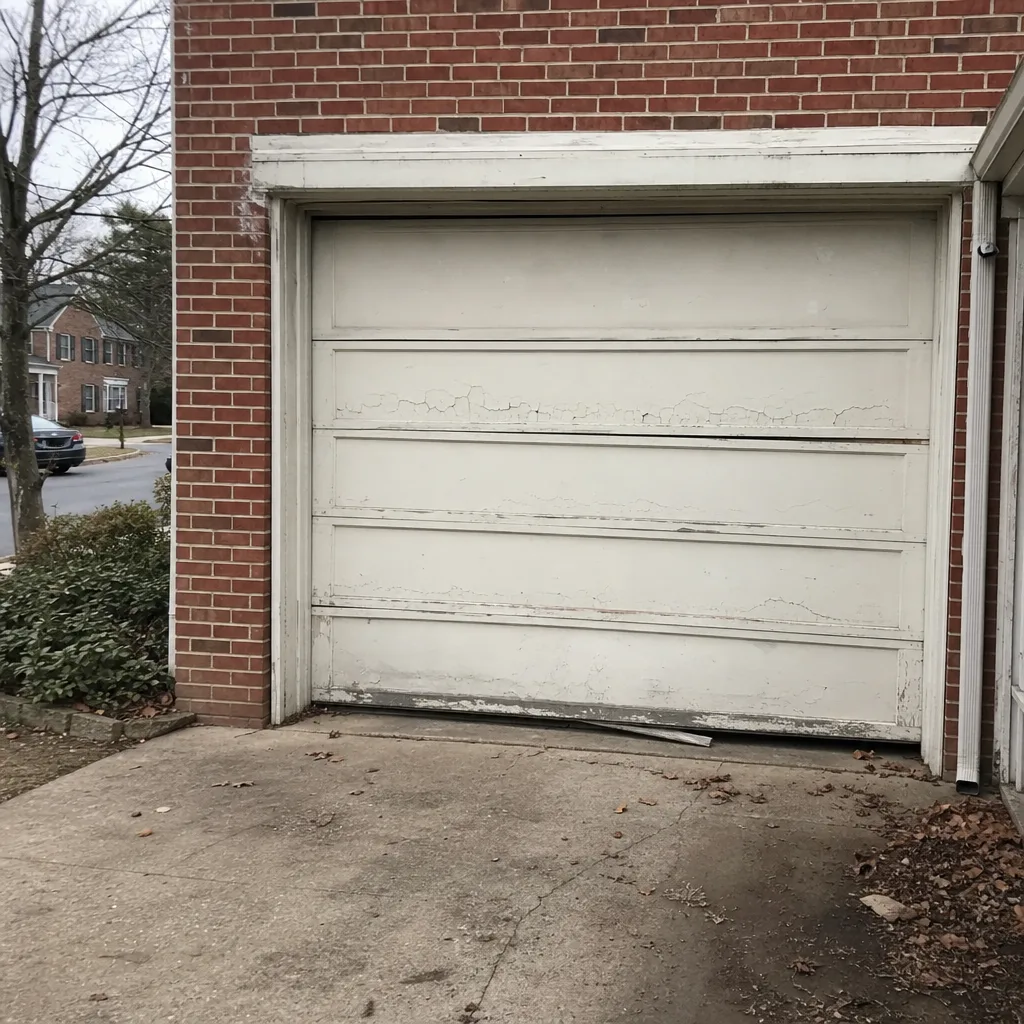 Before
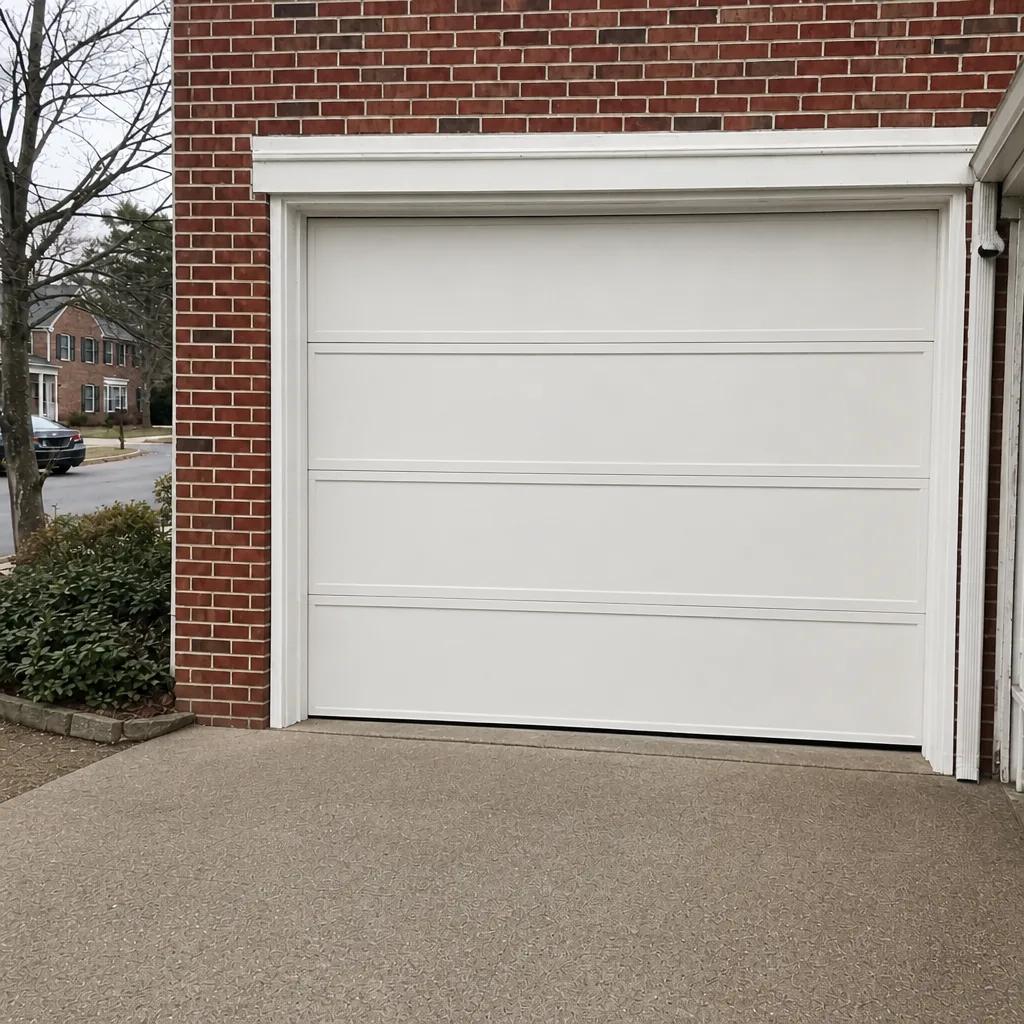 After