
Last updated November 16, 2026
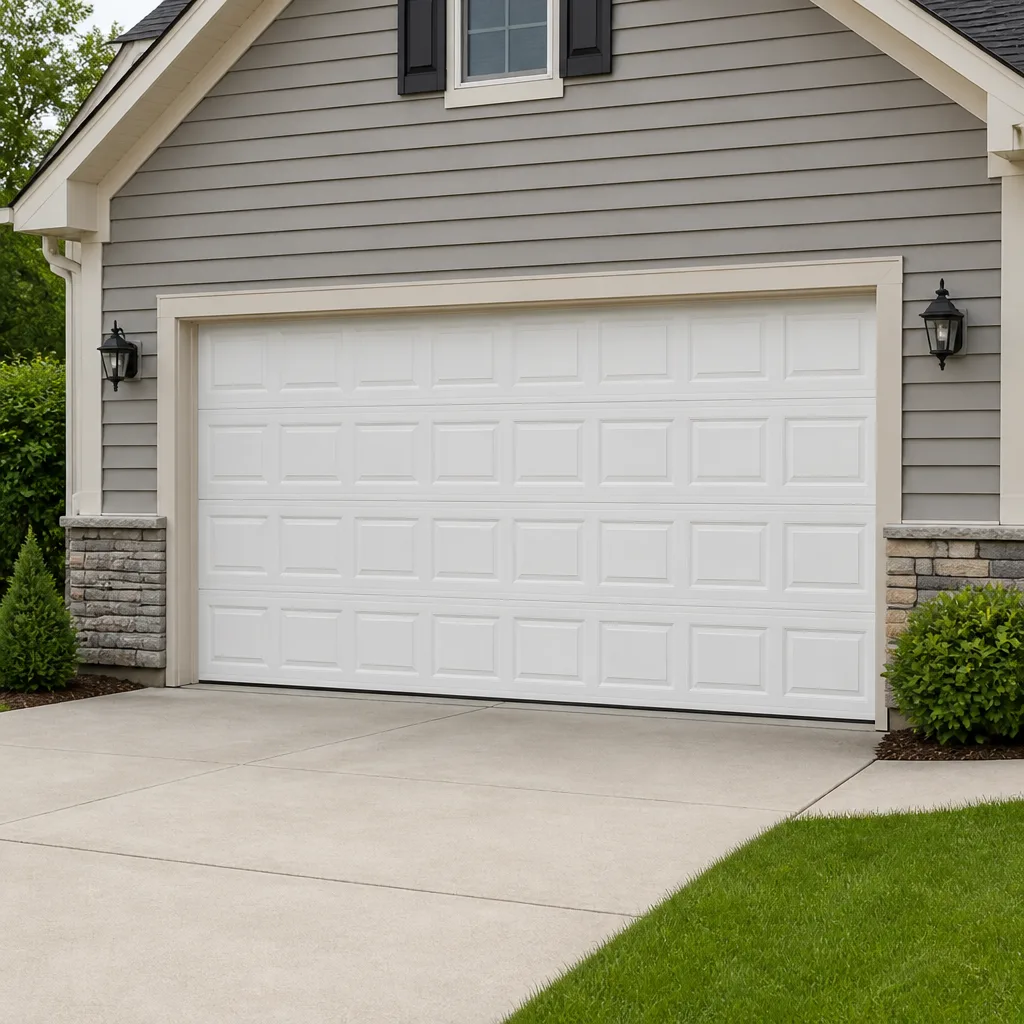 Raised-panel steel
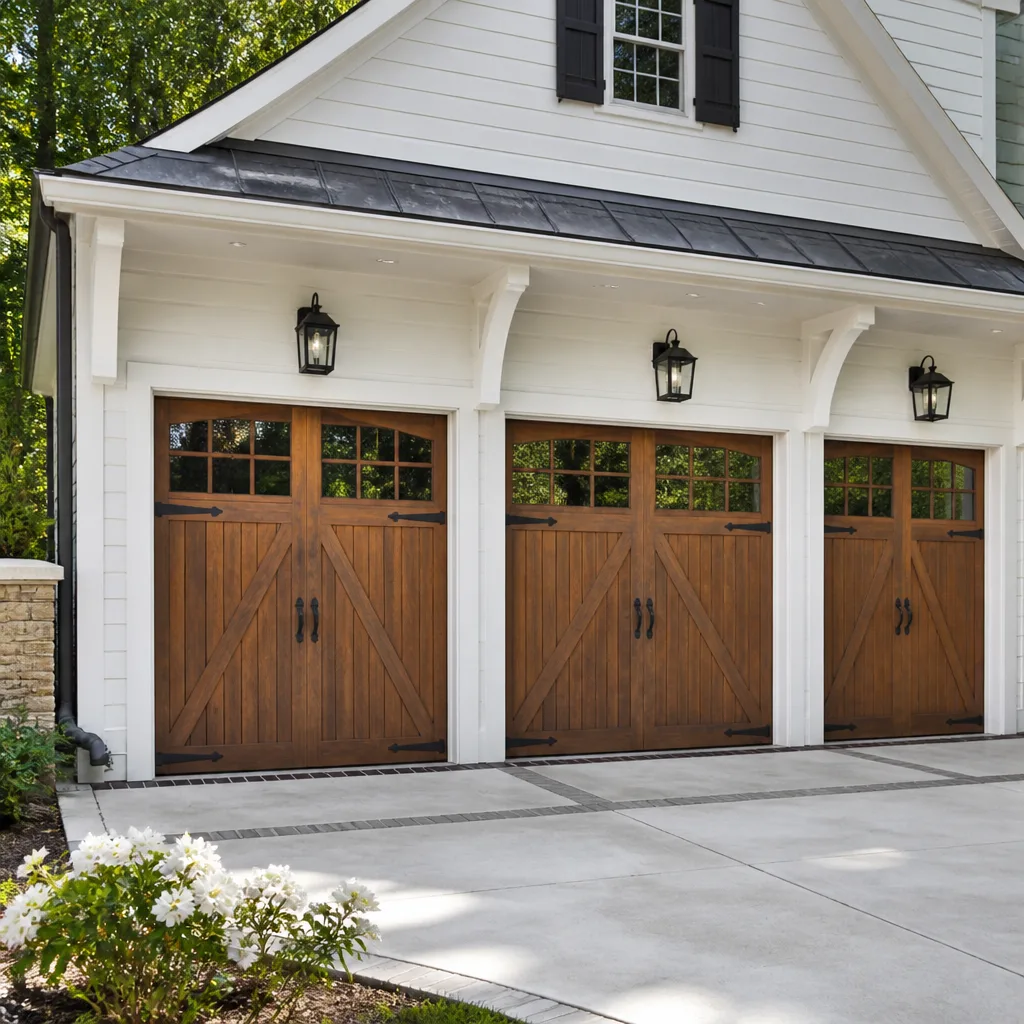 Carriage house
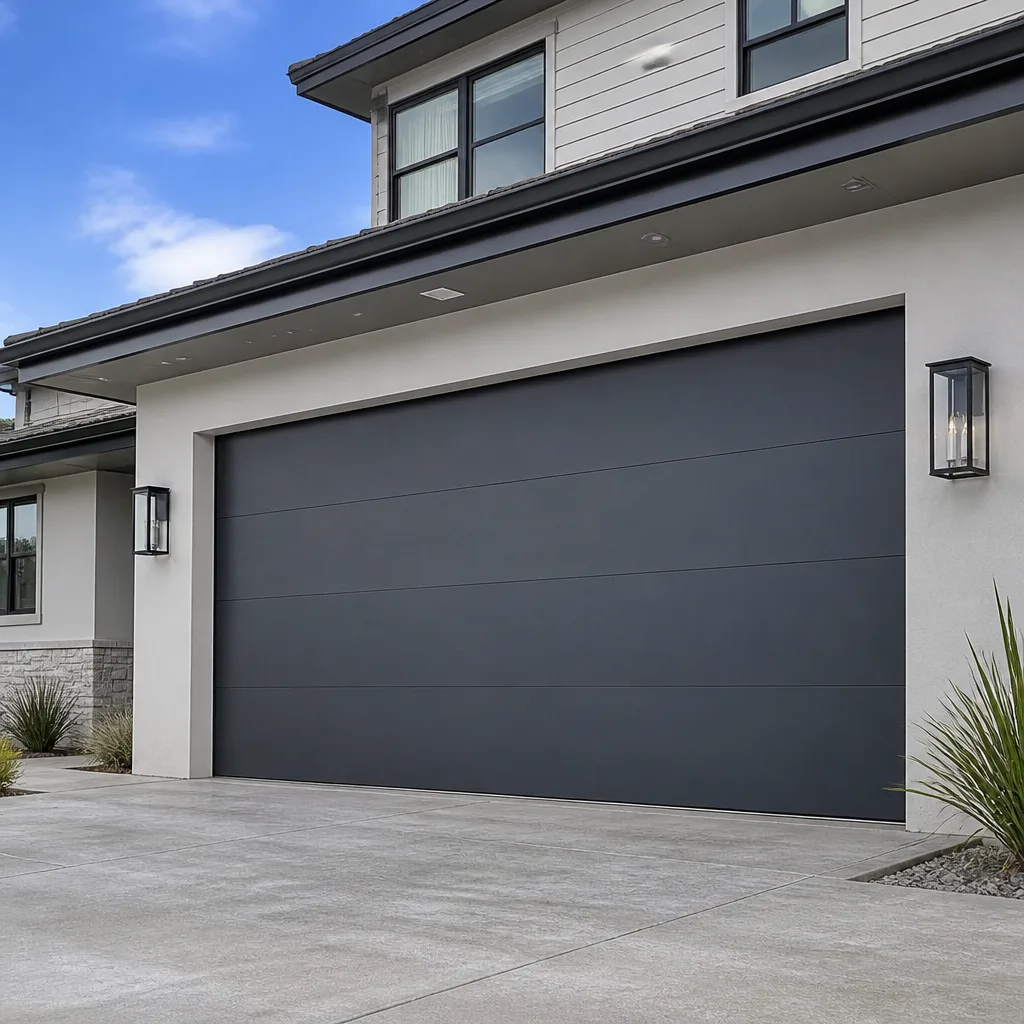 Modern flush
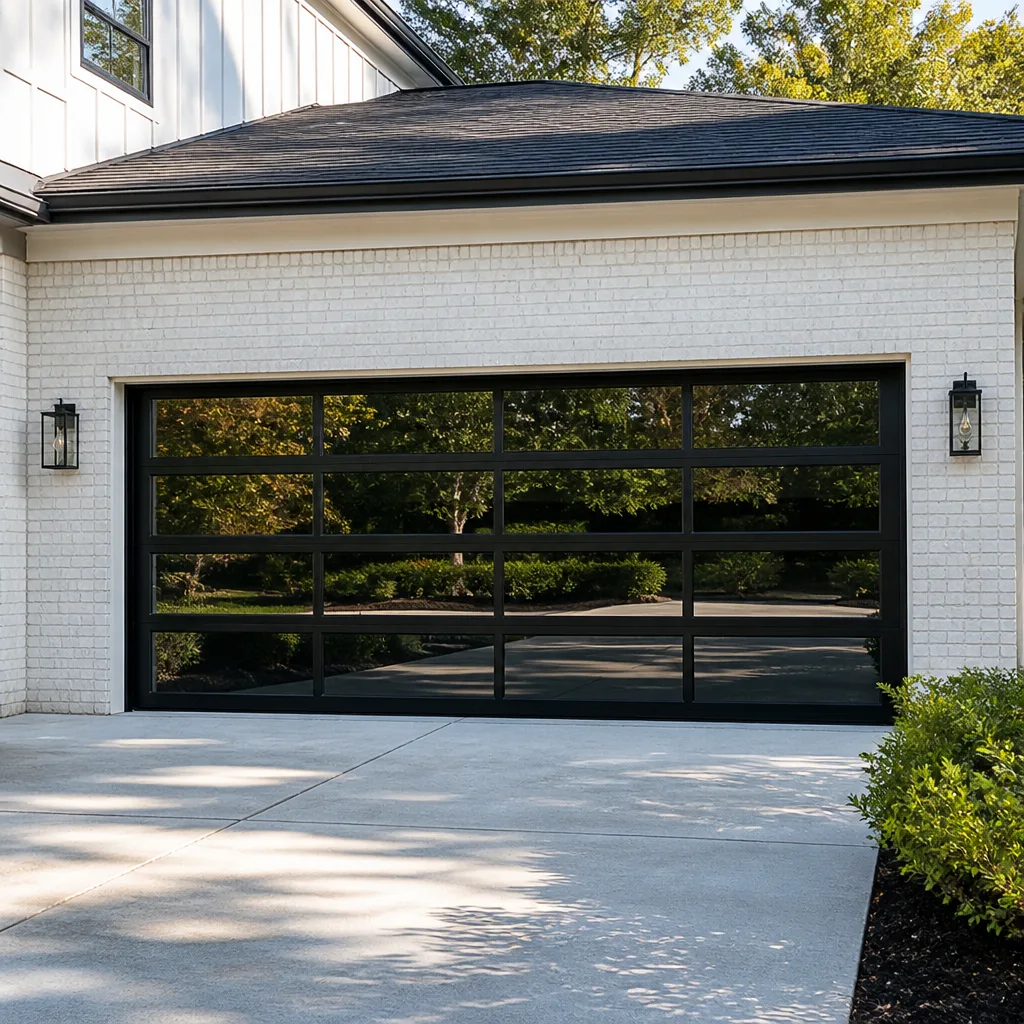 Full-view glass
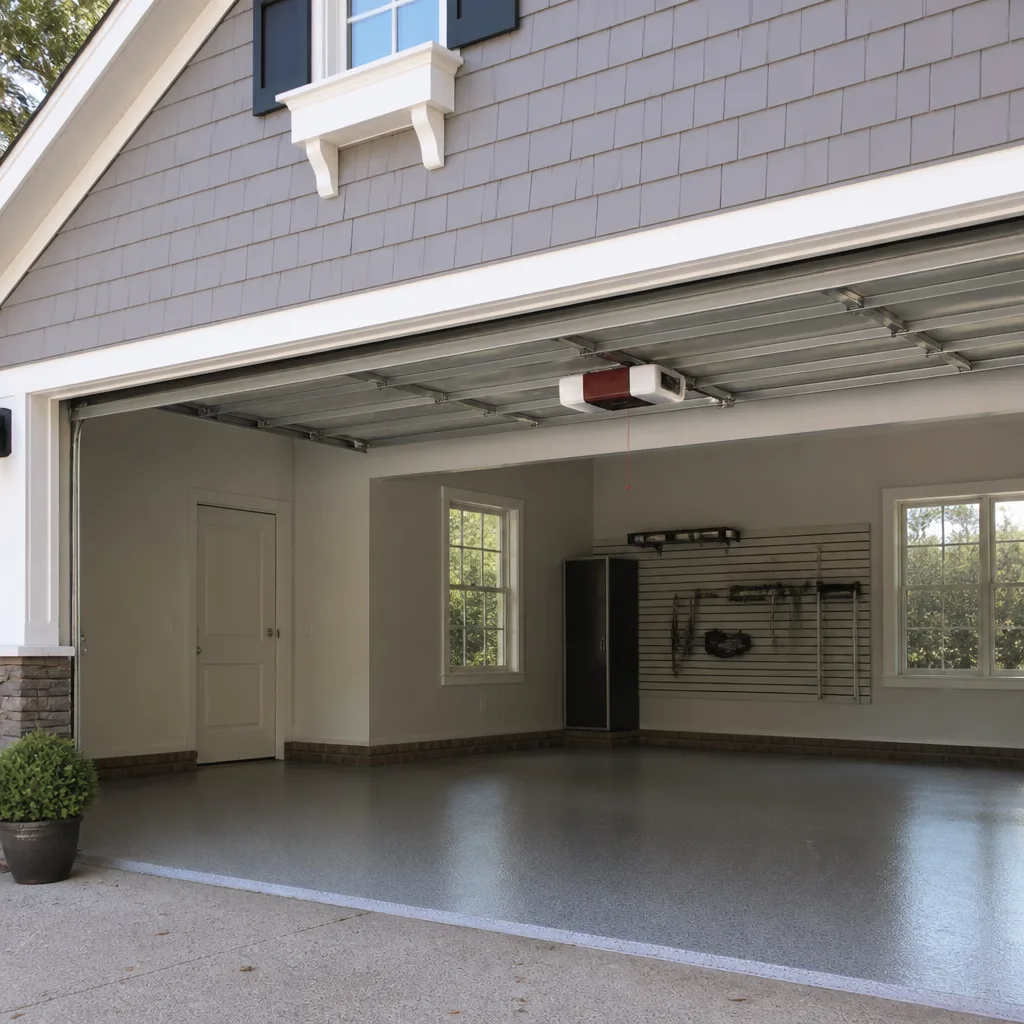 LiftMaster openers
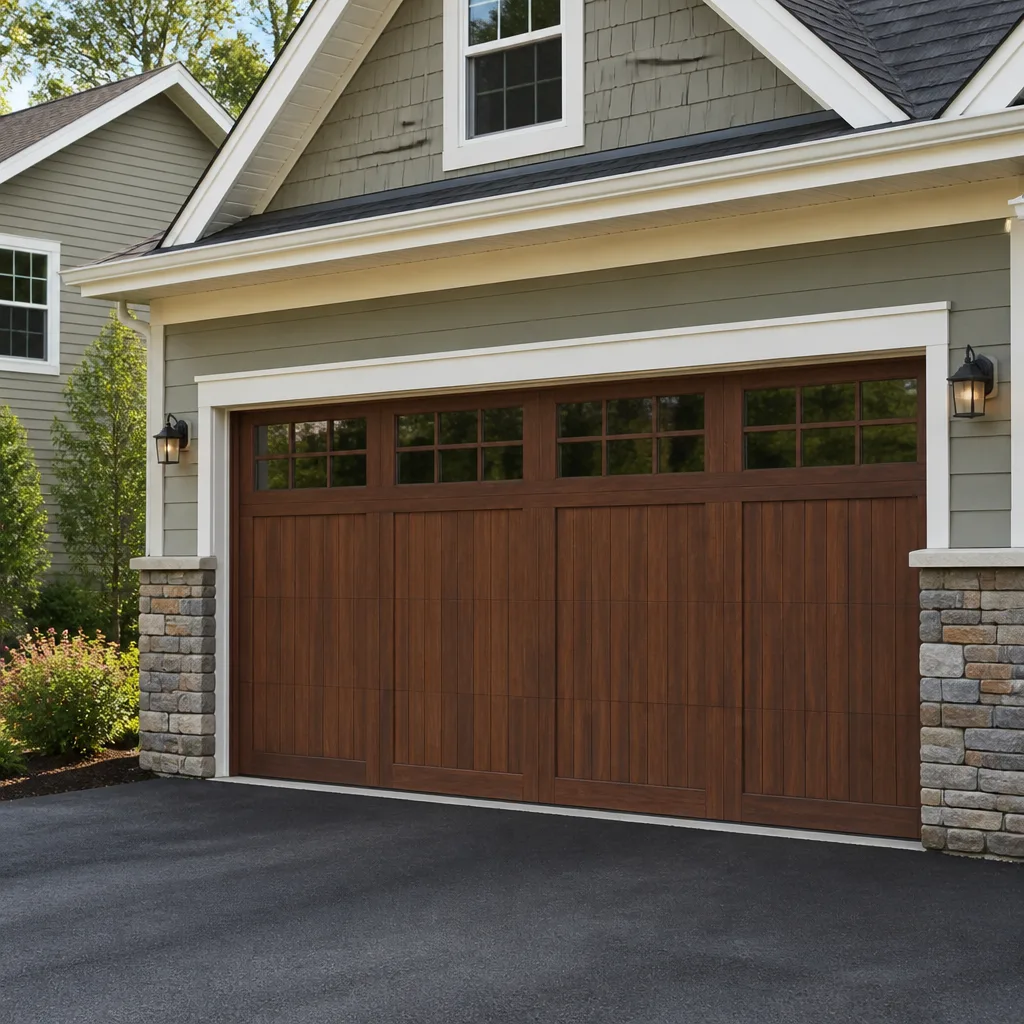 Chamberlain openers
Full 25-point door and opener safety check with every visit - springs, cables, rollers, tracks, and your LiftMaster or Chamberlain opener included
You get a price before we start. It does not change when the pro arrives.
Get your free estimateDIY vs Professional Garage Door: The Alexandria Homeowner’s Decision Guide
Most garage door advice online starts with cost. Ours starts with torque. Torsion spring replacement is the most-searched DIY garage door repair and the one most likely to send an Alexandria homeowner to the emergency room, because the stored energy in a standard spring is enough to cause serious injury the moment a winding bar slips. That single fact reshapes the whole debate. The real question isn’t whether you can save money doing it yourself. It’s which tasks are safe to own and which ones carry risk that no amount of confidence erases. This guide draws that line task by task, from opener to panel, so you know exactly where your skills help and where they don’t.
Quick Answer
Some garage door work is genuinely safe for a homeowner: lubrication, photo-eye sensor alignment, remote and keypad programming, and visual inspections. Spring, cable, bottom bracket, and track replacement are not, because they involve stored mechanical energy or heavy components that can fail without warning. And in Alexandria, any DIY work on a new door or opener can void the manufacturer warranty, which is a bigger cost than the labor you save. Routine maintenance is yours. Structural and spring work belongs to a trained technician.
Styles & brands we work with
- Raised-panel steel
- Carriage house
- Modern flush
- Full-view glass
- LiftMaster openers
- Chamberlain openers
Table of Contents
- Where the DIY Line Actually Falls
- The Three Tasks You Can Safely Do Yourself
- The Jobs You Should Never DIY (and the Mechanical Reason Why)
- How DIY Work Affects Your Warranty in Virginia
- The Parts and Tool Access Problem
- The Cost Reality Check: What DIYers Actually Save
- Where a Confident Homeowner Adds Real Value Alongside a Pro
- Alexandria-Specific Factors That Change the Math
Where the DIY Line Actually Falls
The DIY-versus-professional question gets framed as a skill test. Can you do it? That’s the wrong lens. A mechanically capable homeowner can often perform the physical motions of a repair and still create a dangerous situation, because the risk lives in the stored energy and the tolerances, not in whether your hands are steady.
We sort every garage door task into one of three buckets, and that sorting holds whether you’re in Old Town, Del Ray, or a newer build out toward Kingstowne.
- Homeowner tasks: Lubrication, sensor alignment, remote and keypad programming, weather seal replacement, and visual inspection. Low energy, low height, no stored torque. These are yours.
- Technician tasks: Torsion and extension spring replacement, cable replacement, bottom bracket work, track realignment and replacement, and opener logic board or gear replacement. High stored energy or precision parts. These are not.
- Judgment calls: Panel replacement, roller swap, and opener motor replacement. Sometimes a confident homeowner can handle a single panel or a set of rollers, but the answer depends on the door’s age, the brand, and whether the surrounding hardware will survive the disturbance.
That’s the real axis. Not “am I handy” but “does this task store energy I can’t safely release, or require a part I can’t practically buy?” The rest of this guide walks through each bucket in detail, including what a licensed technician actually does differently on a garage door repair call in Alexandria.
The Three Tasks You Can Safely Do Yourself
Three maintenance jobs deliver real value and carry essentially no injury risk. Every Alexandria homeowner who relies on their door daily should know these.
- Lubrication. A few drops of garage door lubricant on the rollers, hinges, and the torsion spring coils (not the tracks) quiet a noisy door and slow wear. Do it every six months. Never use grease on the tracks; it collects grit and grinds the rollers.
- Photo-eye sensor alignment. If the door reverses on the way down, the safety sensors near the floor are usually misaligned or blocked. Wipe the lenses, check that both LEDs are solid, and nudge the brackets until the beam reconnects. This fixes most “door won’t close” calls.
- Remote and keypad programming. Reprogamming a LiftMaster, Chamberlain, or Genie remote is a matter of following the brand’s pairing sequence, usually a button press on the motor head and one on the remote. Same for a wall keypad code change.
Those three cover most of what a homeowner can productively own. Weather seal replacement at the bottom of the door is also fair game and costs very little. A visual inspection twice a year, checking for frayed cables, bent tracks, and worn rollers, is worth the five minutes.
Everything beyond this list starts to involve either stored spring energy, cables under tension, or parts you can’t reliably source. That’s where we recommend stepping back, and where the rest of this guide focuses.
The Jobs You Should Never DIY (and the Mechanical Reason Why)
The most-searched DIY garage door repair is also the most dangerous: torsion spring replacement. A standard torsion spring holds hundreds of pounds of rotational force. If a winding bar slips during the winding process, the spring unwinds in a fraction of a second and the bar swings with enough force to break a wrist or worse. There is no safe “slow” version of that release.
The mechanical reason is straightforward. A torsion spring is pre-loaded during installation by winding it a precise number of turns, and that pre-load is what counterbalances the door’s weight. To replace the spring, you must release that stored torque first. Unlike a lightbulb or a door hinge, the spring doesn’t gently come apart; it stores energy the entire time, and that energy has to go somewhere.
Other jobs in the same category, and why:
- Cables. A cable is under hundreds of pounds of tension. Cutting or disconnecting one without first relieving the spring tension can whip the cable loose. Cables also have a specific crimp and routing that a homeowner can’t replicate safely.
- Bottom brackets. The bottom bracket anchors the cable to the door. It’s under the same cable tension and, if removed without proper relief, can release a loaded cable toward whoever is standing in front of it.
- Track replacement. A bent track is a symptom, not the cause. Replacing the track on a door with a failing spring or worn rollers means the new track bends too, and a misaligned door under spring load can come off its tracks entirely.
This is the point where our technicians earn their call. On an emergency call in Alexandria, they relieve spring tension first, confirm the door is stable, then work on the actual failure. That’s the sequence that keeps everyone safe.
How DIY Work Affects Your Warranty in Virginia
Manufacturer warranties on garage doors and openers almost universally condition coverage on professional installation. What most homeowners don’t realize is that the warranty can be voided even if your DIY work was technically successful, because the manufacturer requires proof of professional installation to honor a claim.
This is where the cost calculus gets interesting. If you replace your Clopay or Amarr door panels yourself and the door fails in year two, the manufacturer can decline the claim under the installation clause. That’s the real cost of DIY: not the labor you saved, but the replacement cost you’re now carrying on your own.
The same principle applies to openers. Chamberlain and Genie both condition their warranties on professional installation. A DIY opener swap can save a few hundred dollars up front, then cost you a full opener replacement if the motor fails within the warranty period. Ask the brand’s warranty department directly before you decide; the answer is usually in the fine print of the installation guide.
In practice, the safer pattern for a Virginia homeowner is to use a licensed professional for anything that touches the warranty, and keep the maintenance tasks in-house. That keeps the warranty intact and still lets you own the chores that don’t affect it. If you’re unsure whether your specific job falls under the warranty clause, this is worth asking about when you call for a garage door repair estimate.
The Parts and Tool Access Problem
Even a homeowner with genuine mechanical skill runs into a faster wall: parts. Many of the components that actually fail aren’t available at retail in a form you can install.
Torsion springs are the clearest example. They’re cut to a specific wire diameter, inside diameter, and length that matches your door’s weight and drum size. A hardware store carries a few generic spring sizes, and none of them will match a mid-range door. Ordering the exact spring usually means going through a dealer or a parts supplier that only sells to trade accounts.
Openers have the same issue. Replacement logic boards, gear assemblies, and travel modules for a specific LiftMaster or Genie model are typically sold to service accounts, not consumers. You can sometimes find aftermarket equivalents online, but the fit and firmware aren’t guaranteed, and a mismatch can brick the opener. For a Clopay or Amarr door panel, the manufacturer may have discontinued that exact panel profile, so a “replacement” becomes a mismatched patch.
Add tooling. A proper spring winding setup includes two steel winding bars, a winding cone, and a set of C-clamps to lock the door. That’s real money for a one-time job, and the equipment isn’t the kind of thing you’ll use again. Between the tooling and the parts markup, a homeowner is often spending more than the labor cost of having it done once.
One more access point for Alexandria homeowners: some newer communities near Potomac Yard and the Eisenhower corridor have specific architectural or HOA requirements for door styles and colors. Matching an existing panel profile isn’t just a parts problem; it’s a spec problem, and the dealer trade has the catalog a consumer can’t see.
The Cost Reality Check: What DIYers Actually Save
DIY looks cheap because homeowners compare it to a labor line. The real comparison includes parts at retail markup, tooling, and the odds of a second service call.
Lubrication, sensor alignment, and remote programming cost effectively nothing to DIY and save the cost of a service call. That’s a clear win, and it’s most of the maintenance a door needs.
For spring or cable work, the math usually flips. A homeowner spends on winding bars and generic parts, then either gets stuck mid-job or creates a worse failure that requires a same-day service call anyway. The professional path saves the tooling cost, the parts markup, and the second-call risk, and it preserves the warranty.
For a full door replacement, DIY isn’t a realistic option at all. Door weight, torsion loading, and precise track alignment require two trained people and a loading sequence; a homeowner installing a Clopay or Amarr door solo is a serious injury risk.
Our guidance: if a repair needs a tool you’ll never use again, or parts the dealer won’t sell you, DIY economics don’t work. Book the estimate, get a written price, and move on. The full-service estimate starts with a Paragon Garage Door Repair consultation, and it’s free.
Where a Confident Homeowner Adds Real Value Alongside a Pro
There’s a middle path that never gets discussed: what a mechanically confident homeowner can do to make a professional job go faster and better. These tasks add real value without crossing the safety line.
- Holding panels during installation. A second set of steady hands on a door panel while the technician aligns the hinges and tracks speeds the job and reduces the risk of a panel getting scratched or dropped.
- Handling permit paperwork. Most Alexandria door and opener replacements require a permit through the city’s building department. Filing it yourself saves the technician a phone call and gives you a paper trail. The rules vary by neighborhood and project scope, so check with the department before assuming a permit is or isn’t required.
- Managing HOA submittals. If your community requires architectural approval for a door style or color change, gathering the specs and submitting the request is a homeowner task. It also prevents a door arriving on site before the HOA approval is in hand.
- Clearing the workspace. Moving vehicles, clearing the floor, and making sure the garage is accessible saves time on the front end of the job.
Where “helping” slows the job: second-guessing the technician’s torque settings, holding a ladder during spring work (the technician doesn’t need it and it puts you in the danger zone), or attempting to “assist” with cable tension. Step back for those. On a full garage door opener repair, the same holds: let the technician own the electrical side.
Alexandria-Specific Factors That Change the Math
Alexandria adds a few wrinkles to the standard DIY decision. None of them make DIY safer, but they change the practical trade-offs.
Older housing stock. A lot of the doors in Old Town and Del Ray were installed decades ago and have been patched over time. A door that’s seen multiple repairs and is running on original springs is a much riskier DIY candidate than a newer build; the components may already be near failure, and a homeowner removal can trigger the failure rather than avoid it.
Permit requirements. Alexandria’s building department generally requires permits for door and opener replacements, and the exact scope determines what’s covered. A homeowner who pulls their own permit has to follow the same inspection sequence a contractor would. It’s doable, but it’s paperwork, not a shortcut.
HOA constraints. Many Alexandria communities have architectural review requirements for door style, color, and material. A DIY replacement that doesn’t match the approved spec isn’t done; it’s re-done.
Service availability. When a repair goes sideways and the door is stuck open, an Alexandria homeowner is looking at a real safety and security problem, not just a schedule inconvenience. Fast dispatch from 7am to 7pm, Sunday through Friday, matters on those days. We answer 24/7. Fast dispatch from 7am to 7pm. If a door fails on a day outside dispatch hours, we book you into the next opening.
The brand training matters here too. Alexandria garages are full of LiftMaster, Chamberlain, and Genie openers alongside Clopay and Amarr doors. Our technicians are trained on the mechanical and electronic profiles of each of these brands, which is the reason a single service call commonly diagnoses the actual cause rather than replacing the opener because the door was the problem all along. That diagnostic speed is the strongest argument for a professional Alexandria call, and it’s the reason our approach is “the right fix, not the easiest upsell.”
Common Mistakes to Avoid
- Treating torsion springs like a lightbulb. The spring stores hundreds of pounds of rotational force. Releasing that torque without the right tooling and technique is a genuine injury risk, regardless of how confident you feel.
- Ignoring the warranty clause. A DIY opener or door install can void the manufacturer’s warranty even if the work is fine. Read the installation clause before you buy parts.
- Greasing the tracks. Lubricant belongs on rollers, hinges, and spring coils, not the tracks. Grease on the tracks collects grit and grinds the rollers down faster.
- Replacing the opener when the door is the problem. A sticking door, worn rollers, or a misaligned track will make a healthy opener struggle. Diagnose the door before you replace the motor.
- Attempting cable or bottom bracket work without relieving spring tension. Cables are under heavy tension. Disconnecting them while the door is pre-loaded can release the cable toward whoever is standing in front of it.
- Skipping the permit because “it’s just a panel.” Alexandria’s permit rules vary by scope. Check with the building department before assuming a panel or opener swap doesn’t need one.
- Installing a door into an HOA mismatch. An unapproved color or style on an Alexandria door can mean a costly redo. Get the architectural approval before the door arrives.
See the difference
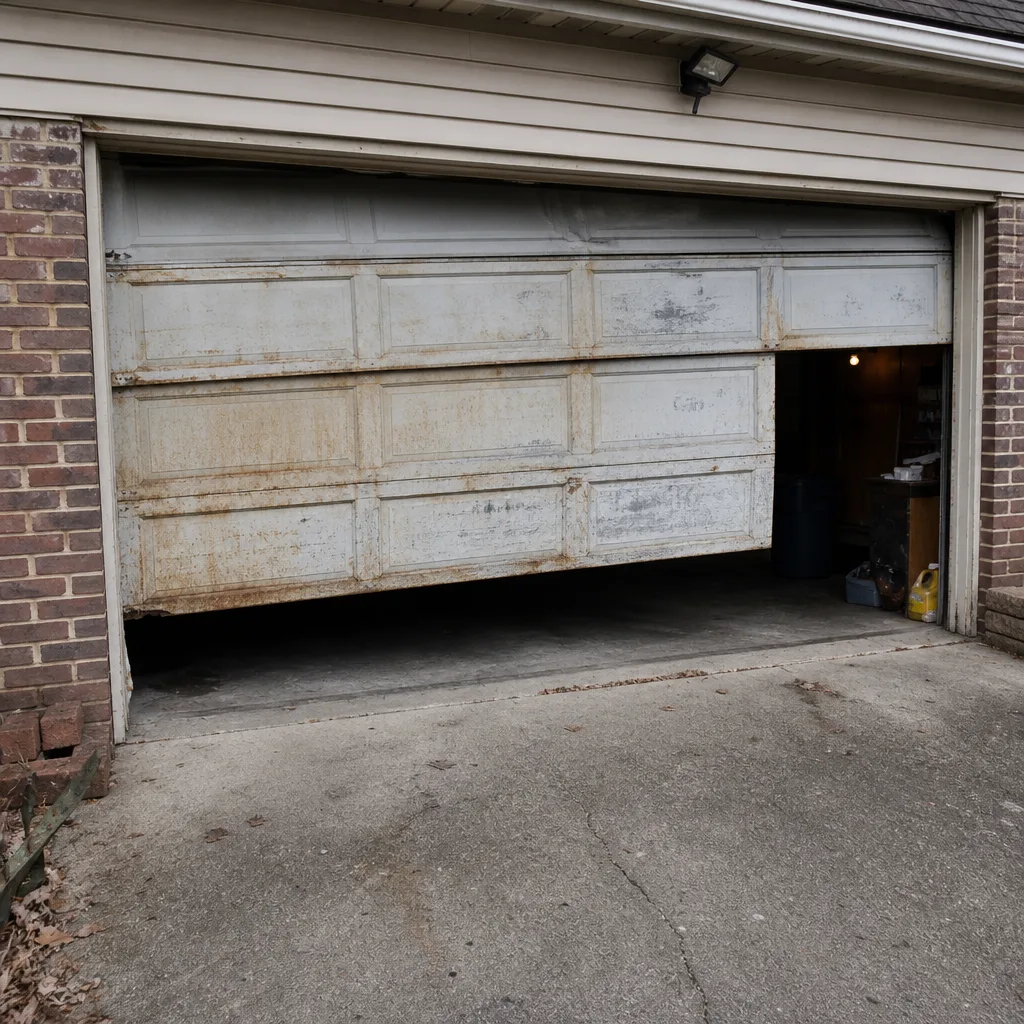 Before
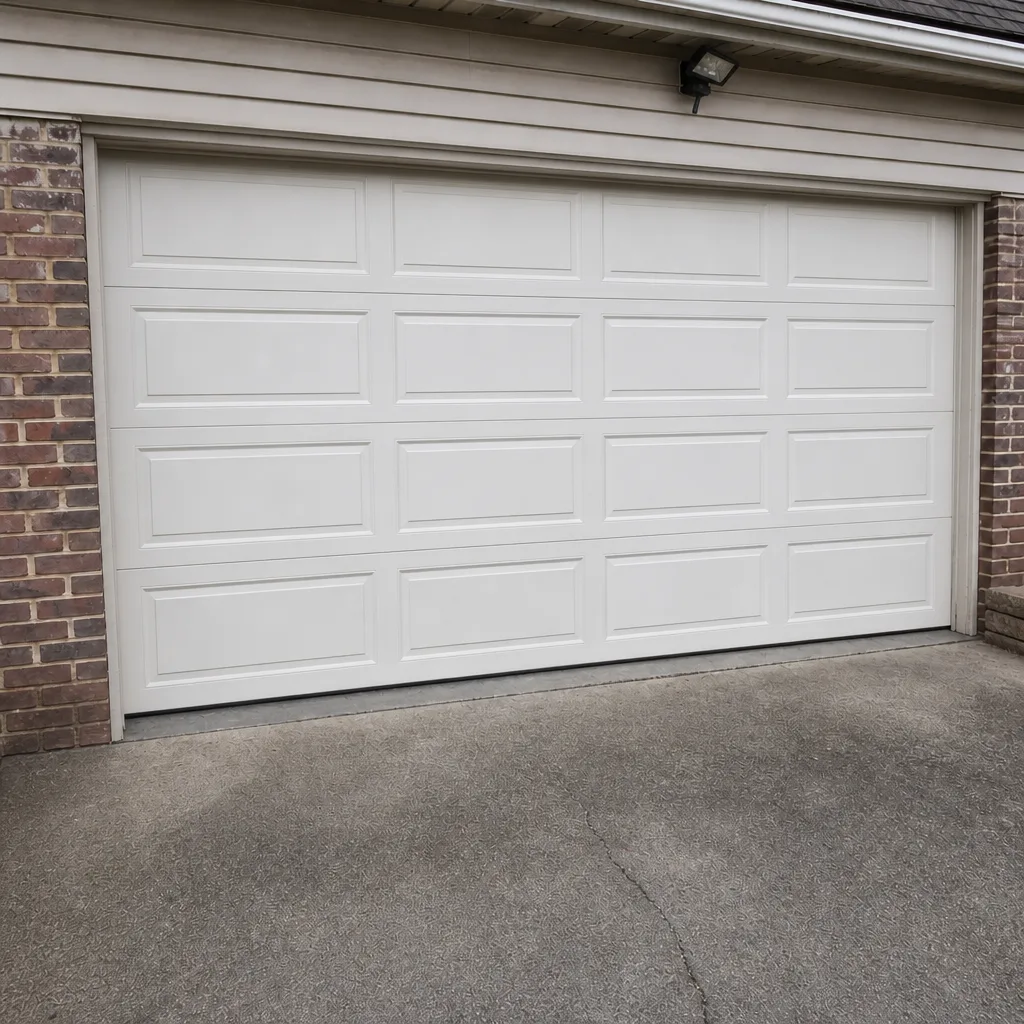 After
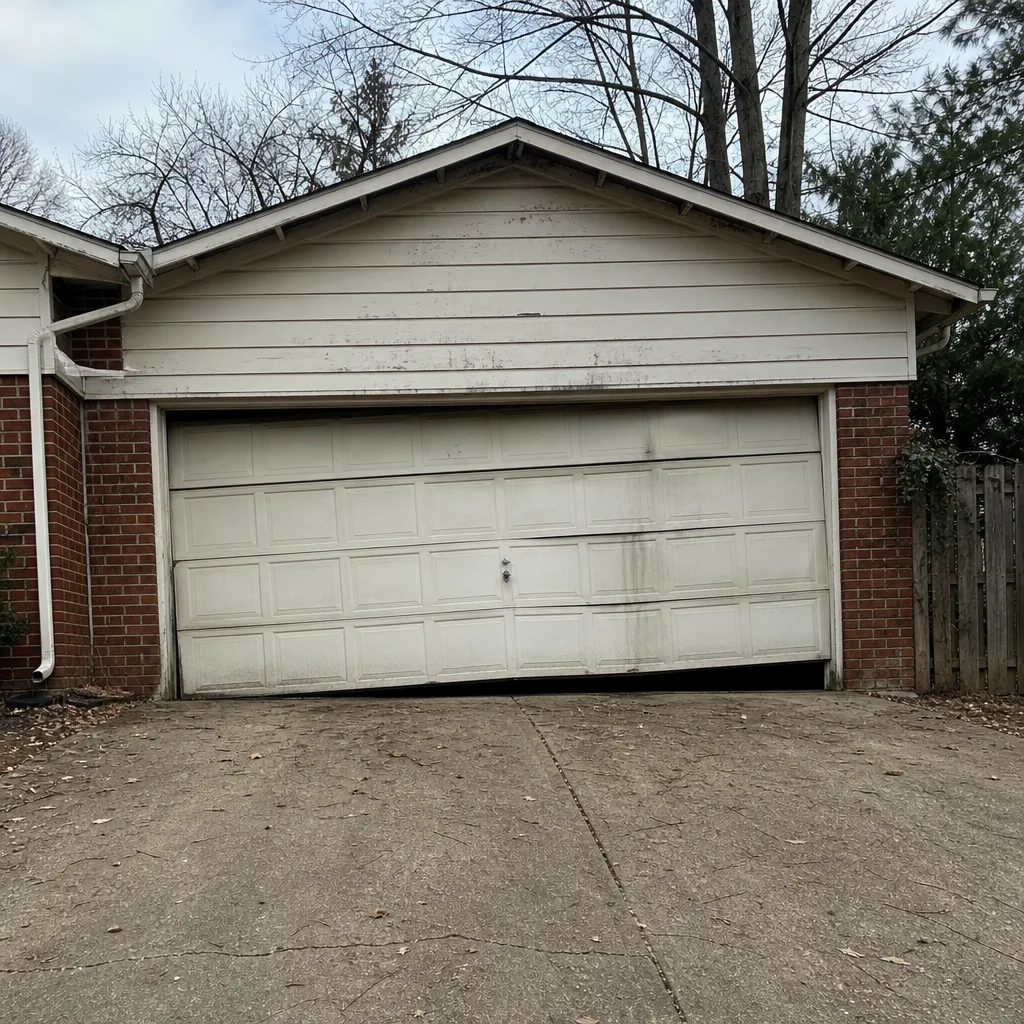 Before
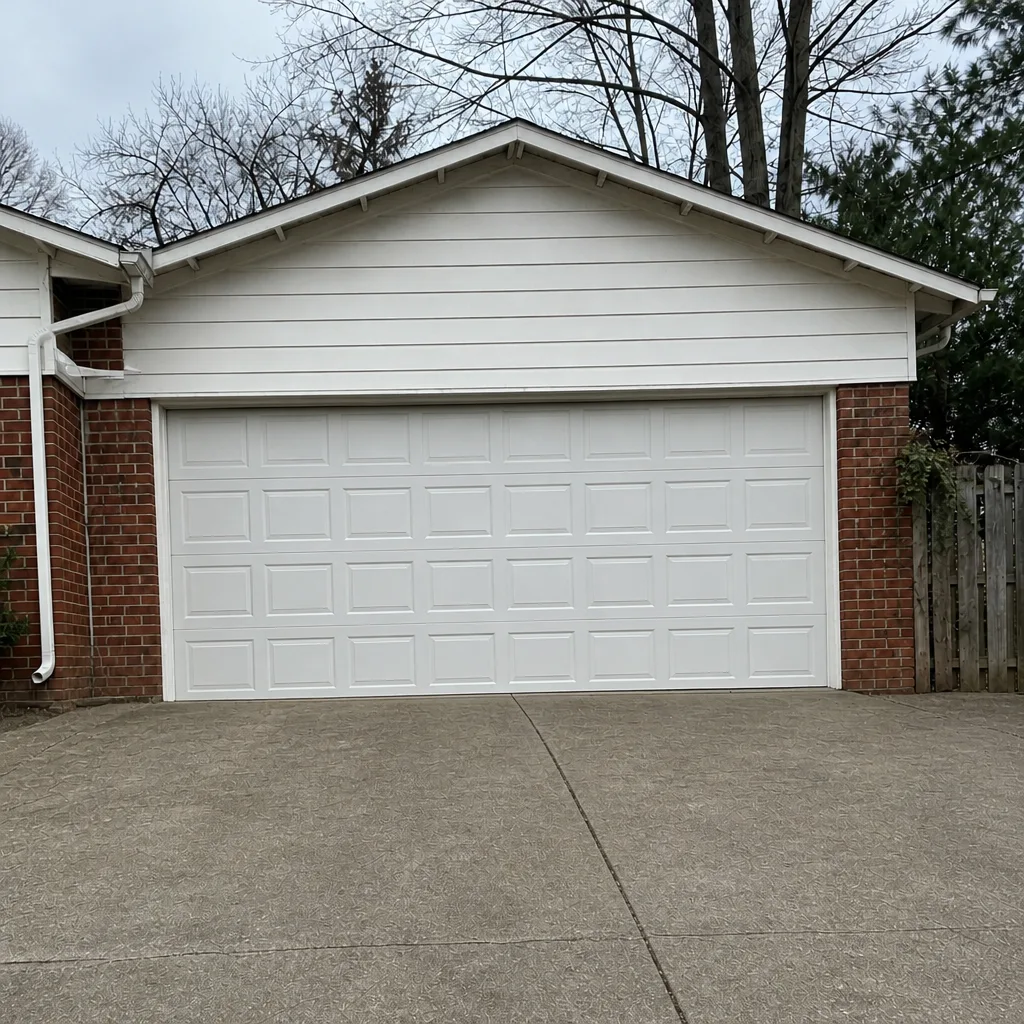 After
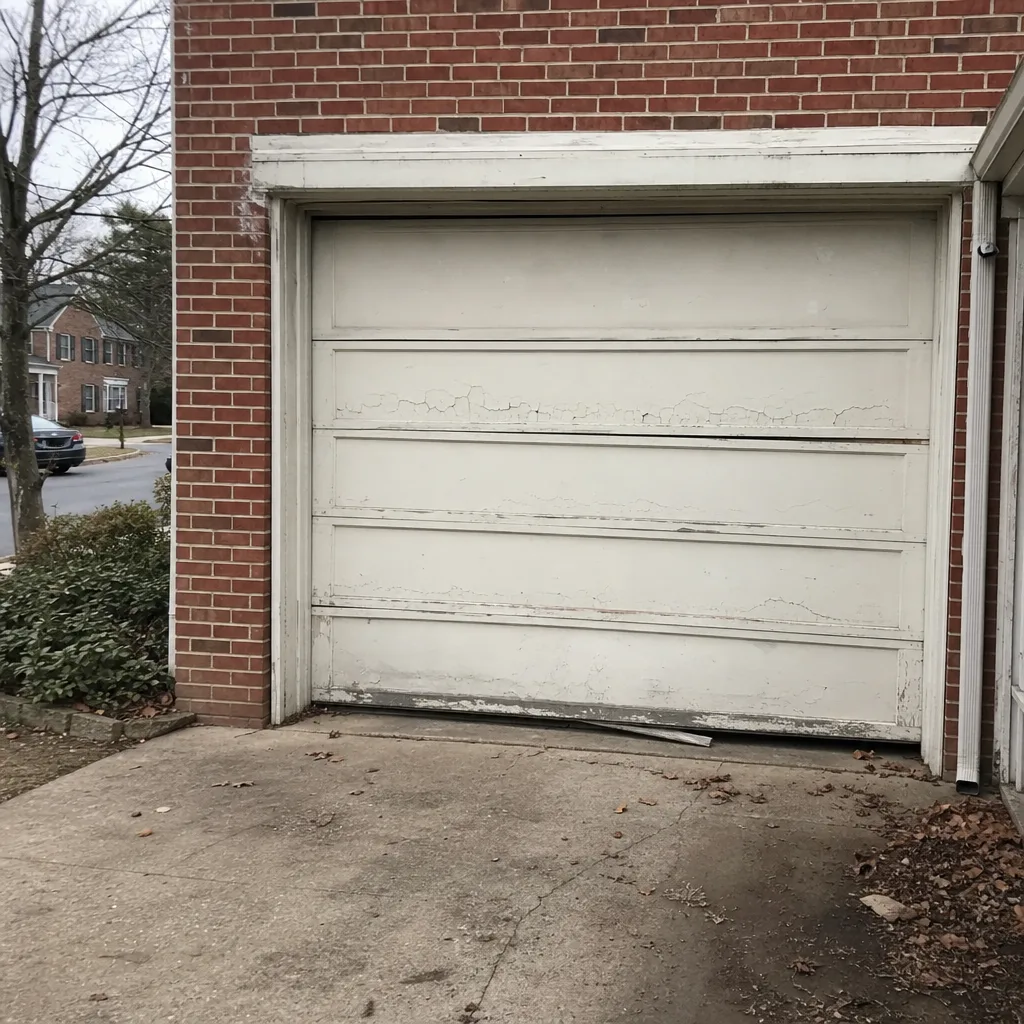 Before
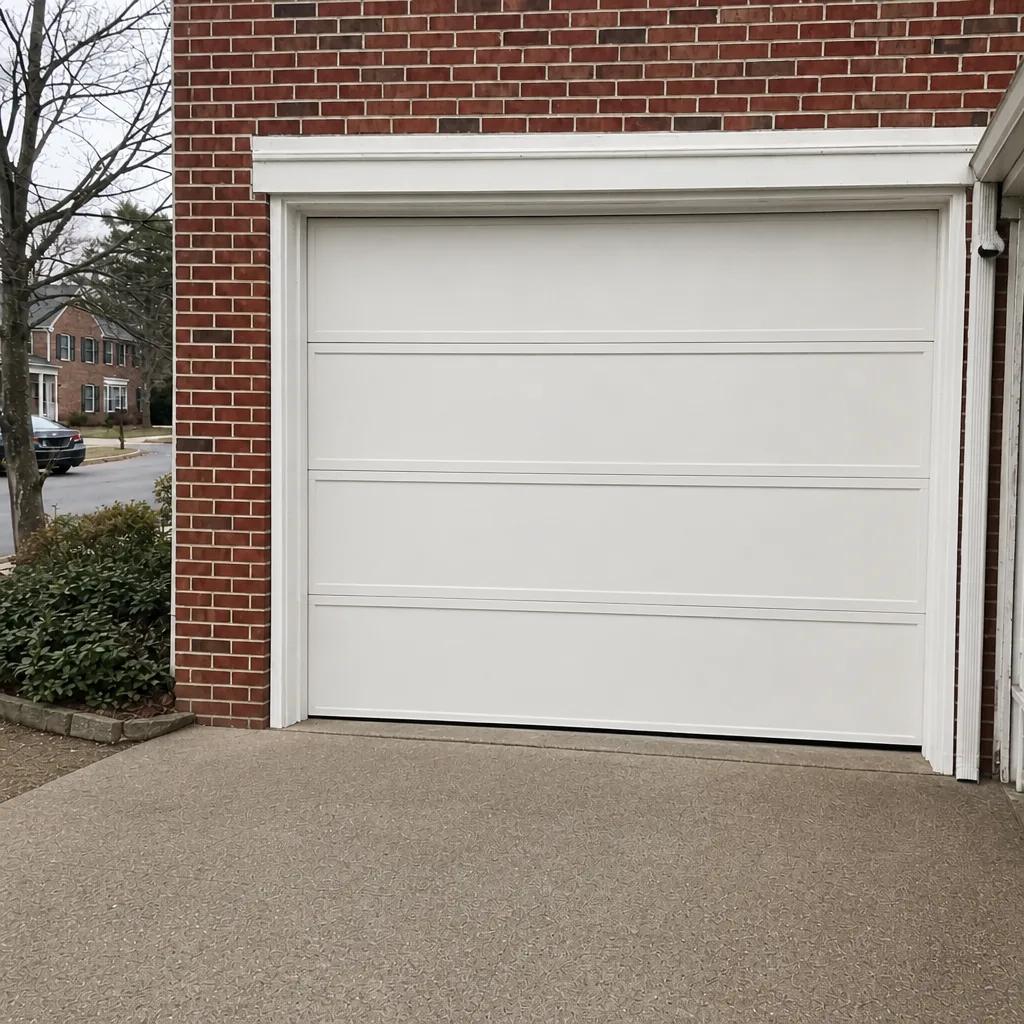 After
When to Call a Professional
Call a professional if the job involves a spring, cable, bottom bracket, or track, or if the door has come off its track, is stuck open, or won’t close all the way. Call if you’re replacing a door or opener and want to keep the manufacturer warranty intact. Call if the door is on original hardware in an older Alexandria home and you aren’t sure of the history. And call if you’ve already attempted a DIY repair and the door is still not working; a second attempt on a compromised door is where injuries happen. Paragon Garage Door Repair offers free estimates in Alexandria – call (866) 812-5587.
Frequently Asked Questions
No. A torsion spring stores enough rotational force during winding to cause serious injury if a winding bar slips, and the correct spring size is cut to your door’s weight and drum, not sold generically at retail. Call (866) 812-5587 for a free estimate; the price is quoted and agreed before any work starts.
It can. Clopay and Amarr, Chamberlain and Genie all condition their warranties on professional installation, so a DIY door or opener install can void the manufacturer’s coverage even if the work holds up. The safe move is to check the installation clause before you buy the parts. Call (866) 812-5587 to talk through whether your job affects the warranty.
Spring repair is estimated per job, with the written quote setting the final price, and a matched pair usually costs about twice a single spring because both are replaced together. We don’t quote over the phone because the spring size, door weight, and existing hardware all matter. Call (866) 812-5587 for a free estimate with a written price.
Lubrication, photo-eye sensor alignment, weather seal replacement, remote and keypad programming, and a visual inspection twice a year. Those tasks are safe, low-cost, and cover most of the routine care a door needs. Anything involving springs, cables, or track alignment should be handled by a technician.
Yes, in most cases. We answer 24/7, and fast dispatch runs from 7am to 7pm, Sunday through Friday; a call outside dispatch hours gets booked into the next opening. Call (866) 812-5587 and we’ll confirm what the day looks like.
No. The written estimate sets the price, and nothing changes once you’ve agreed to it. We diagnose first, quote in writing, and only then start work, so there’s no surprise on the invoice. Call (866) 812-5587 to get the process started.
Our technicians are state-licensed, insured, and bonded, and they have up to 12 years of experience working across the eight major door and opener brands we support. They diagnose the brand actually installed in your garage. Call (866) 812-5587 with questions about your specific door.
The Bottom Line
The DIY-versus-professional decision isn’t about skill. It’s about task type. Lubrication, sensor alignment, and remote programming are yours, and they’re most of the routine maintenance a door needs. Springs, cables, bottom brackets, and track replacement carry stored energy or precision-tolerance risk that makes them genuinely unsafe for a homeowner, and any DIY door or opener install can void the manufacturer’s warranty in Alexandria. If your job is on the maintenance side, do it yourself and do it well. If it’s on the structural side, book a free estimate, get a written price, and let a trained technician handle it. The math works either way.
Call Paragon Garage Door Repair at (866) 812-5587 for a free estimate on your garage door. We answer 24/7, with fast dispatch from 7am to 7pm, Sunday through Friday.
Written by the team at Paragon Garage Door Repair.