
Last updated November 16, 2026
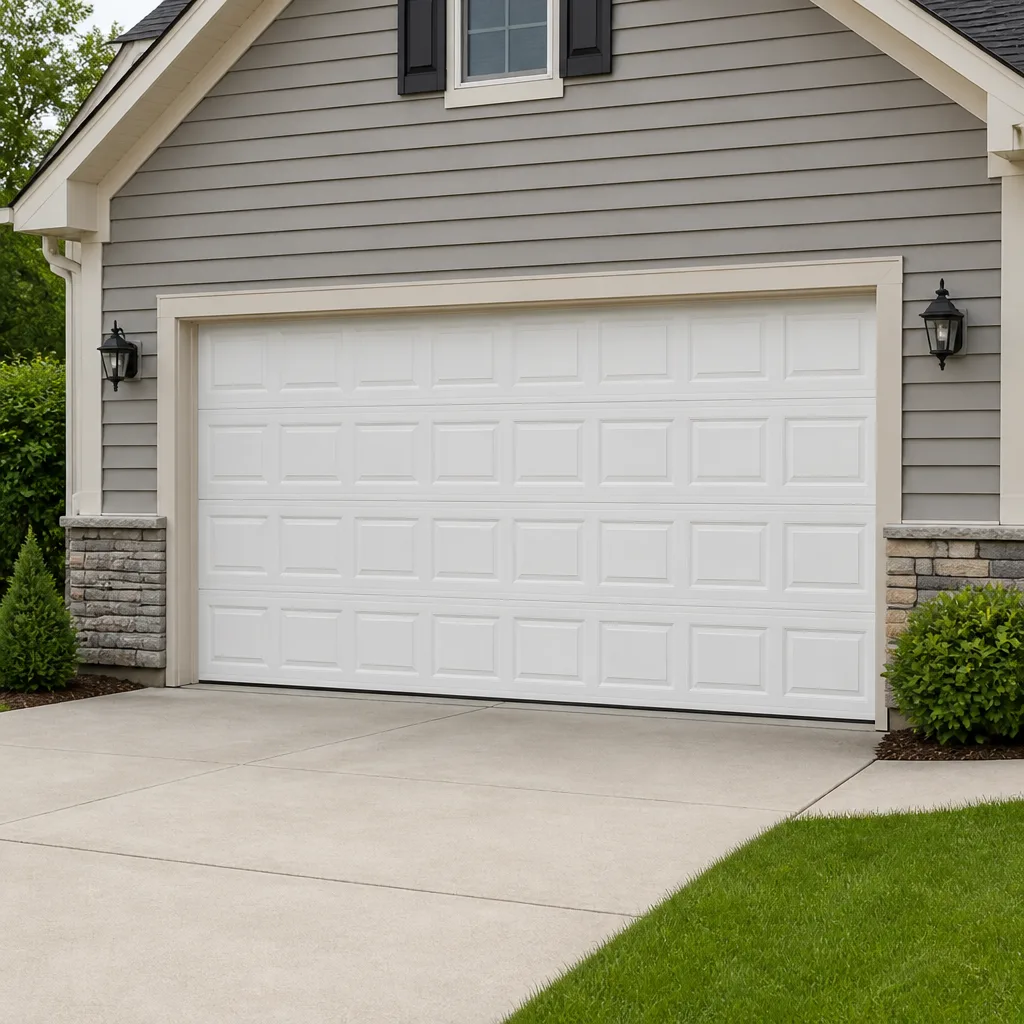 Raised-panel steel
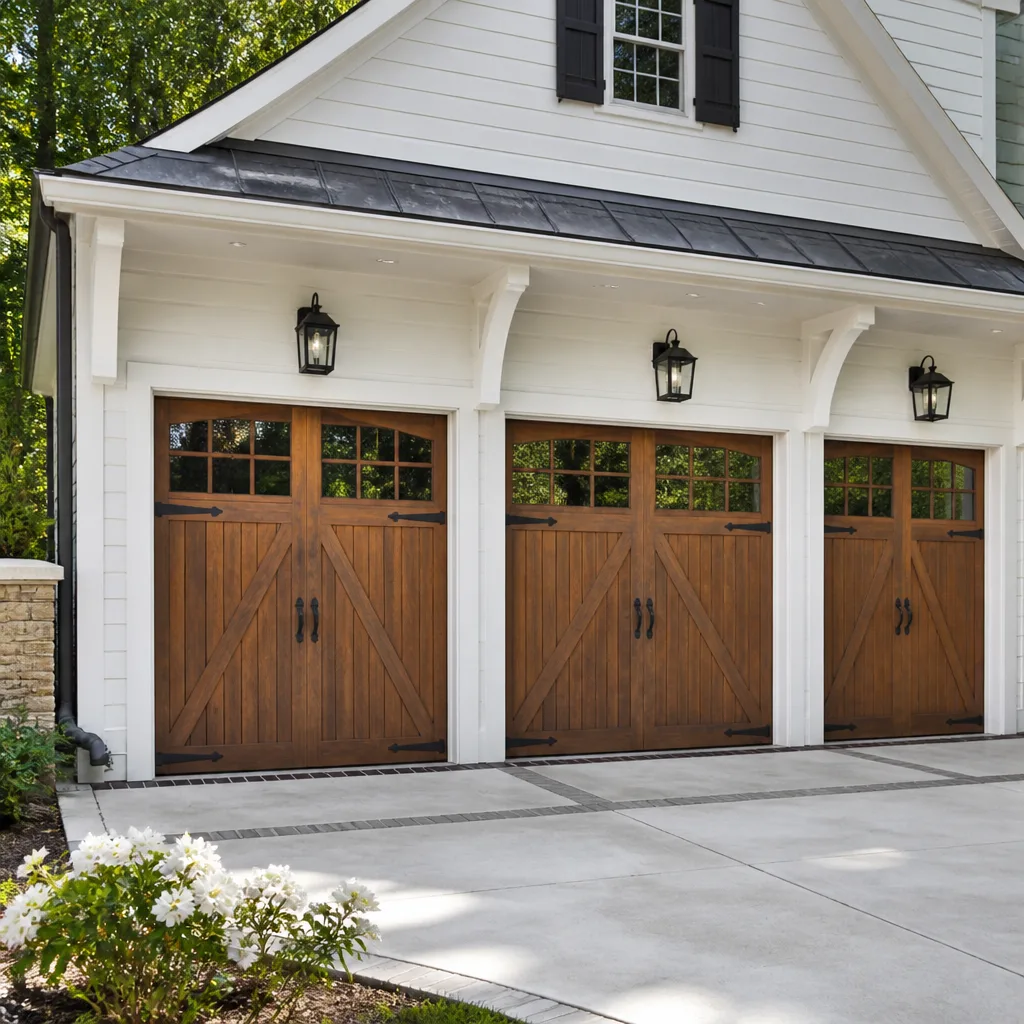 Carriage house
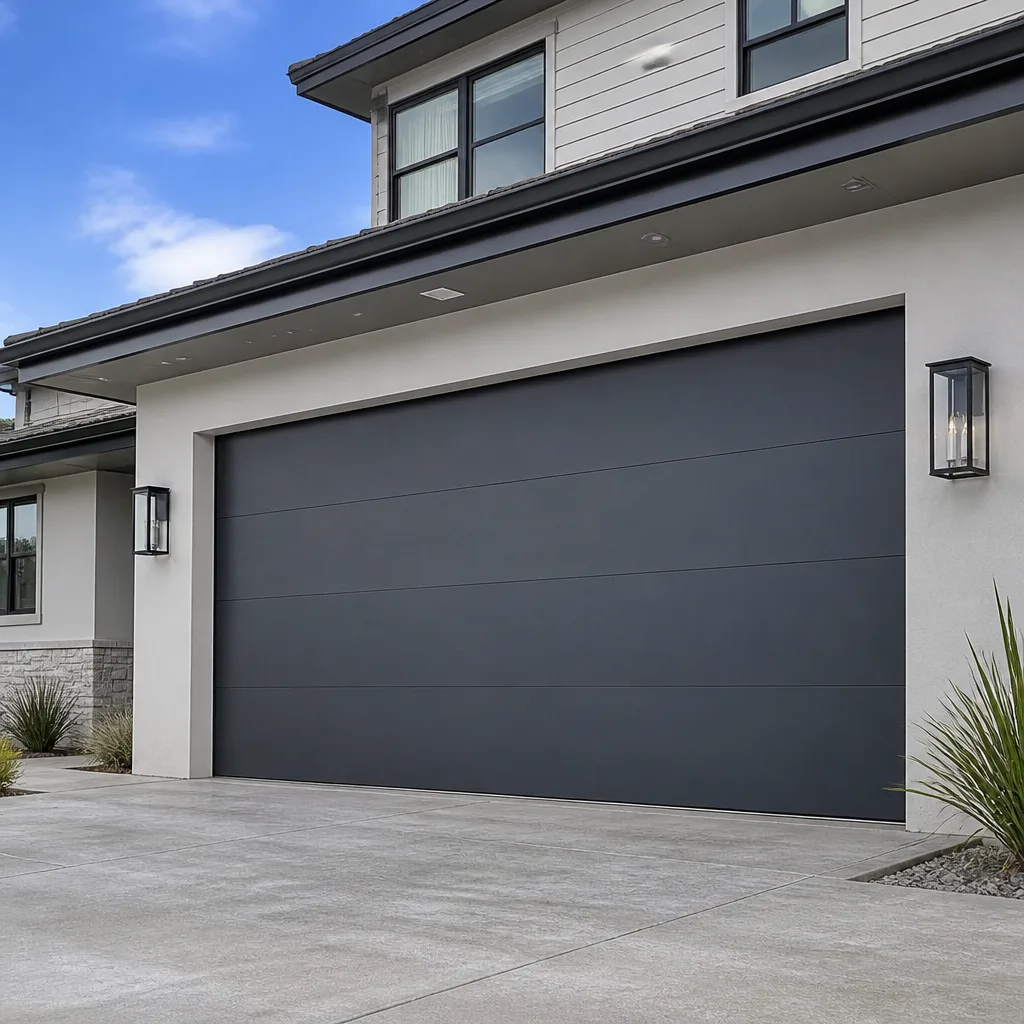 Modern flush
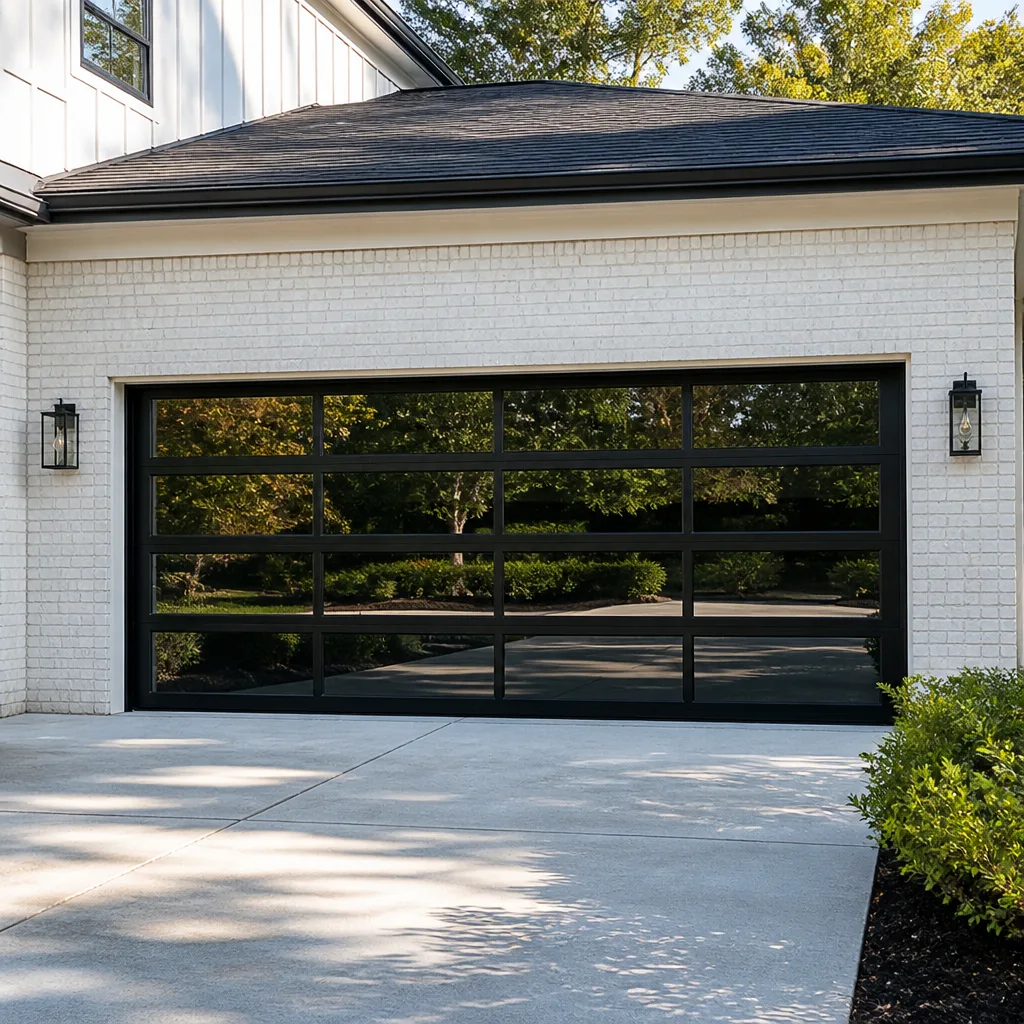 Full-view glass
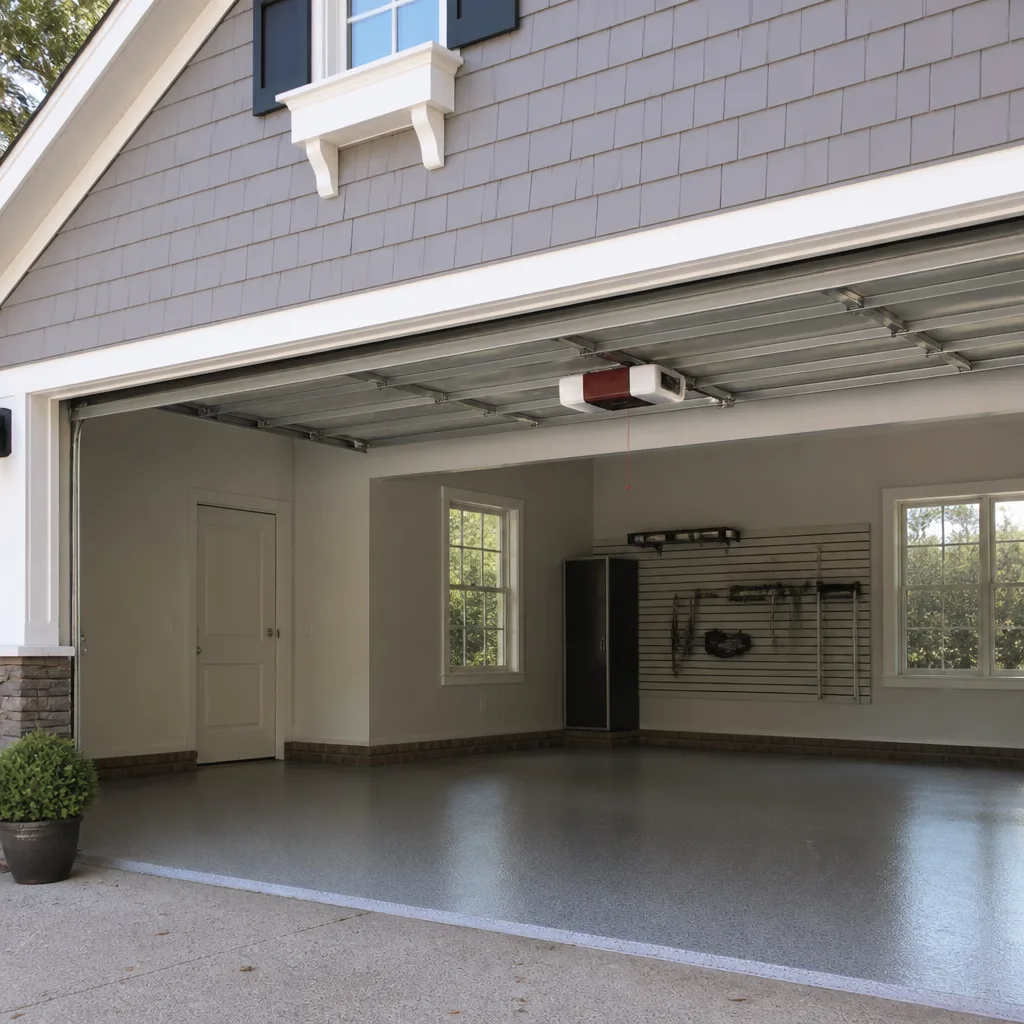 LiftMaster openers
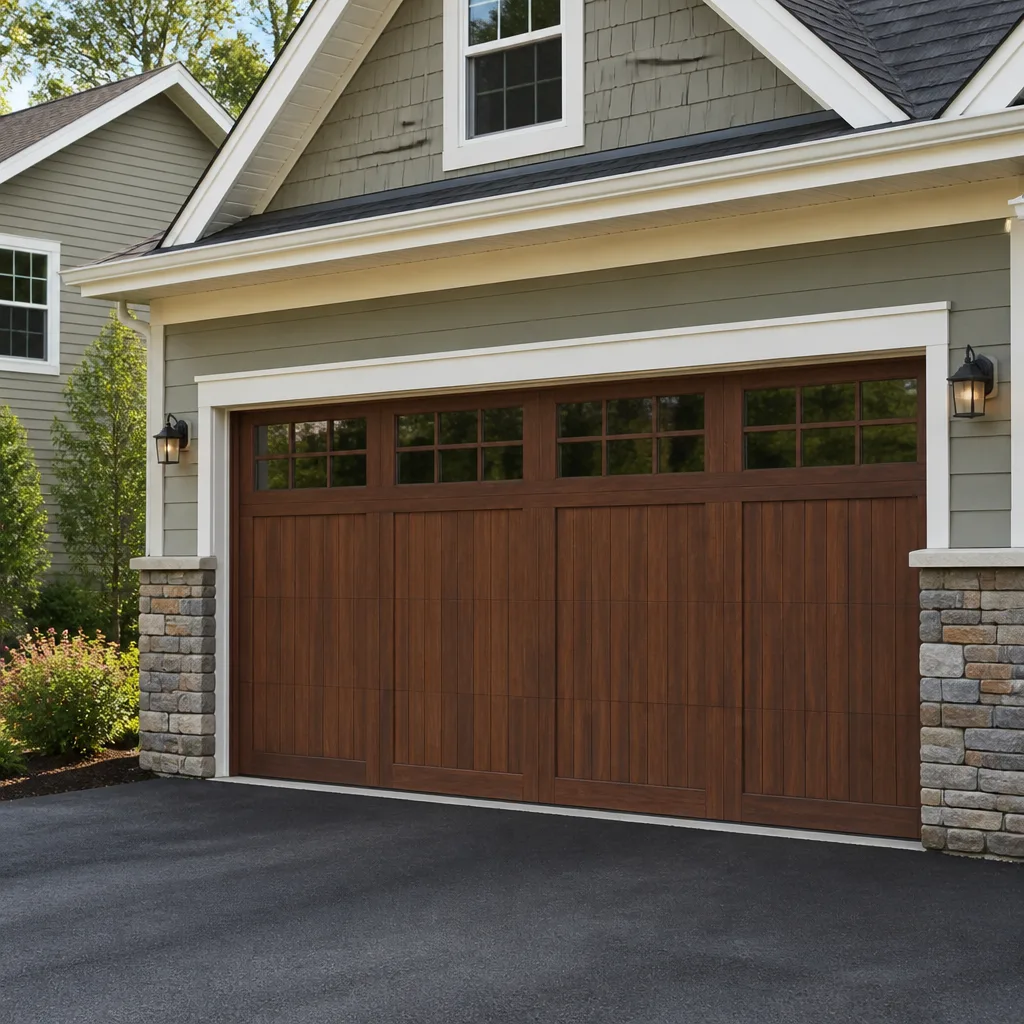 Chamberlain openers
Full 25-point door and opener safety check with every visit - springs, cables, rollers, tracks, and your LiftMaster or Chamberlain opener included
You get a price before we start. It does not change when the pro arrives.
Get your free estimateGarage Door Permits, Codes & Inspections in Alexandria, VA: What You Need to Know
Here’s the part most guides get wrong: a garage door replacement in Alexandria usually doesn’t need a building permit, but “usually” is doing a lot of work in that sentence. The exceptions are specific, they cluster around certain property types, and they carry more weight in this city than in most of Northern Virginia. Add Old Town’s historic overlay and you’ve got a second layer of approval that has nothing to do with the building department. This guide walks through when a permit applies, when the Board of Architectural Review gets involved, what the statewide code expects, and who actually signs off. If you’re replacing a door or opening a new one in Alexandria, read this before anyone puts a saw to the frame.
Styles & brands we work with
- Raised-panel steel
- Carriage house
- Modern flush
- Full-view glass
- LiftMaster openers
- Chamberlain openers
Quick Answer
In the City of Alexandria, a straight like-for-like garage door replacement generally does not require a building permit, while cutting a new opening or changing structural framing does. If the property sits in the Old Town Historic District or another locally designated district, exterior changes still need Board of Architectural Review approval even when no building permit is required. Virginia’s statewide building code governs wind-load and structural requirements when the door is part of permitted renovation work.
Table of Contents
- When Do You Need a Permit for a Garage Door in Alexandria?
- How the Old Town Historic District Changes the Rules
- What Virginia’s Statewide Building Code Requires
- Who Pulls the Permit: Contractor or Homeowner?
- How Inspections Work and What They Check
- How Unpermitted Work Surfaces at Resale
- The Step-by-Step Sequence for an Alexandria Replacement
- Common Mistakes to Avoid
- When to Call a Professional
When Do You Need a Permit for a Garage Door in Alexandria?
A like-for-like garage door swap normally doesn’t require a building permit in Alexandria. A new opening, a widened opening, a conversion of a carport to an enclosed garage, or any change to the structural framing around the opening does. The dividing line is structural work. Swapping a panel or hanging a new door in an existing, unmodified opening doesn’t touch the building’s structure, so it generally falls outside the permit threshold. Cutting into a header, adding a beam, altering a footing, or creating an opening in a wall that never had one all do touch it.
Here’s how the split usually breaks down:
- No permit typically required: replacing an existing door with a new door of the same size in the same opening; replacing tracks, springs, cables, rollers, or hinges; replacing a garage door opener on existing wiring.
- Permit typically required: enlarging an existing opening; converting a single-door opening to a double; adding a new opening to a wall; any change to headers, framing, or structural supports; converting a carport into an enclosed garage with a door.
- Separate electrical permit: running new wiring to a garage door opener, adding a circuit, or installing a new outlet for the opener where none existed.
The safest approach is a phone call to the City of Alexandria’s building department before you order anything. Rules vary by property and by how the current opening was originally permitted, and a five-minute question beats a five-figure correction. We’ve seen this conversation save Alexandria homeowners a lot of grief on jobs that started as “just a door swap.”
For the repair side of this – springs, cables, opener faults, off-track doors – you don’t need a permit, and you also don’t need to wait. Booking garage door repair is a straightforward call, not a bureaucratic one.
How the Old Town Historic District Changes the Rules
Old Town’s historic district adds a layer that has nothing to do with the building code and everything to do with the Board of Architectural Review. A garage door is an exterior visible element on a property inside the district, and exterior changes in the district generally go through ARB review even when no building permit is triggered. That means a simple door replacement in Old Town can need a planning approval that a nearly identical replacement in Del Ray or Rosemont will never see.
This is where the counterintuitive part lands. Homeowners assume that “no permit required” means “no approval required.” In Old Town, those are two different questions with two different answers. The building department handles the code. The ARB handles the character and appearance of the neighborhood. You can be clear on one and completely exposed on the other.
If the property sits in Old Town or another locally designated district, plan on:
- Confirming your property’s status with the City before ordering any door. Overlay boundaries are not always obvious from the street, and parcels near the district edge can surprise you.
- Reviewing what’s already been approved for your address. Prior approvals and existing conditions matter to the review.
- Choosing a door style that fits the review context – a carriage-style panel or a recessed-panel design tends to read more compatibly in historic settings than a modern flush door, though the review looks at more than style alone.
- Submitting and waiting for review before installation, not after. Approval is a precondition, not a formality.
Getting this wrong is not a cosmetic problem. A door installed without approval can require removal and replacement at the seller’s expense during a sale. Buyers’ agents in Alexandria’s Old Town market ask. Attorneys ask. An unapproved door is a discovered defect, and it lands on the seller’s side of the closing table. If you’re the buyer, it lands on your to-do list the week after possession.
For Alexandria homeowners outside the historic districts, this round of approvals doesn’t apply. Neighborhoods like Del Ray, Rosemont, Landmark, and the West End proceed under standard city permitting rules. Whether a door qualifies for a simple replacement or needs a closer look at the surrounding structure is a judgement call best made by someone who works on doors for a living.
What Virginia’s Statewide Building Code Requires
Virginia’s Uniform Statewide Building Code (USBC) applies throughout the Commonwealth, and it governs the structural and wind-load performance of garage doors when the door is part of permitted renovation or new construction. For a door replacement that doesn’t trigger a permit, the code is not typically the governing regulation. For a door that’s part of a larger renovation – an addition, a new garage, a structural change to the existing opening – the code applies, and it applies at the design and inspection stage.
What that means in practical terms for Alexandria homes:
- Design wind pressure matters. Doors on a permitted structure have to be rated for the wind loads the code sets for that location, and the rating is part of the door’s listed specification. That’s a manufacturer specification, not something a contractor can calculate on the fly.
- Wind-load rating is checked at plan review. If your door is part of a permitted job, your plans and door specification will be reviewed against the code requirements for your location.
- The door rating must match the opening. A door rated under the required design pressure for the size and location is a mismatch, and it’s caught at inspection if it isn’t caught earlier.
- Reinforcement and anchoring are part of the code story on permitted construction, and they’re specified with the door, not improvised on site.
For a like-for-like replacement in an existing opening, the door still has to be installed safely and function correctly, but the code process isn’t triggered. That’s not a loophole – it’s the code working as designed. If you’re renovating the whole garage, though, the door is part of the permitted scope and the specification has to be right up front. Choosing a door from a manufacturer that publishes clear wind-load documentation – Clopay and Amarr both do – saves a step at plan review.
The structural questions and the code questions sit on top of each other here, and that’s one reason we treat every Alexandria job as its own case. The right door for a permitted addition and the right door for a swap in an existing opening aren’t always the same choice.
Who Pulls the Permit: Contractor or Homeowner?
The person who pulls the permit is the person who takes on responsibility for the work meeting code, and that matters more than most homeowners realize. In Alexandria, as in most Virginia jurisdictions, the property owner can pull a permit as an owner-builder for work on their own residence. A licensed contractor can also pull the permit as the contractor of record. Both are legal. The consequences are different.
When the homeowner pulls the permit:
- The homeowner is the responsible party for compliance.
- If an inspection fails, the correction is on the homeowner, even if a contractor did the work.
- Warranty, insurance, and resale disclosures all sit on the homeowner’s side.
When the contractor pulls the permit:
- The contractor is the responsible party for the permitted scope.
- Inspections and corrections are the contractor’s problem to solve.
- Records show who did what, which is exactly what a future buyer’s attorney will look for.
Any contractor who asks a homeowner to pull the permit on a job where the contractor is doing permitted structural or electrical work deserves a second look. It’s not automatically a red flag, but the reasons for it are worth asking about. The contractor is on the hook for the workmanship either way; the permit just makes it clear where the accountability sits.
Who signs off at the end depends on the permit. For permits pulled by the contractor, the contractor signs the completion and coordinates the inspections. For owner-builder permits, the homeowner signs and coordinates. Either way, the building department issues the final inspection, and that final signature is the proof that the work was done to code. If you need to find that paper later, it’s the single most useful document from the whole job.
For a like-for-like replacement in an unincorporated existing opening, there’s no permit and no signature. That’s normal and it’s fine – but if you plan to sell within a few years, keep your invoice and the manufacturer specification for the door. When questions come up at inspection, a paper trail is worth more than a memory.
How Inspections Work and What They Check
When the door is part of a permitted scope, the inspections happen at defined stages. The building department wants to see the work at points where the important things are still visible, because once drywall and trim go up, checking them again isn’t possible. The sequence and specifics are set by the permit and coordinated by the contractor of record. A typical permitted job runs something like this:
- Plan review and permit issuance at the front end, before any work starts. Changes to the design after issuance go back through review.
- Framing inspection after the opening is framed and before the door goes on, to confirm headers, framing, and structural reinforcement match the approved plans.
- Rough electrical inspection if new wiring for an opener is part of the permit, done before the wiring is closed up.
- Final inspection after the door and opener are installed and operational, when the inspector confirms the specification matches the approved plans and the door functions as intended.
What inspectors focus on with a garage door specifically: the door’s listed specification against the approved plans, the attachment and anchoring, the operational clearances, and – on rated doors – the labeling that documents the rating. The door has to be the door that was approved. If the door delivered to the site doesn’t match the door on the permit, the inspection is where that gets caught, and the fix is a re-order, not a conversation.
Two things follow from that. First, on a permitted job, the door needs to be selected and specified before work starts, not shoehorned in at the end. Second, the door brand and model should be on the approved plans. Choosing a manufacturer with clear published specifications – Wayne Dalton and Amarr both publish what you need for plan review – keeps the paperwork clean and avoids a re-inspection for a labeling question.
If the door is part of a broader renovation in Alexandria, we can work with you and your general contractor on the specification and the installation timing. Getting the door and the framing coordinated correctly at the permit stage is much easier than sorting it out after a failed inspection.
How Unpermitted Work Surfaces at Resale
Unpermitted work shows up in two places during a sale in Alexandria: the home inspection and the title search. A home inspector who walks a garage and sees a door in an opening that doesn’t match the original footprint, or an opener wired to a circuit that wasn’t there before, will note the difference and flag it for buyer attention. A title search and the city’s permit records will show what was permitted at that address, and what wasn’t. Those two records don’t have to match – but when they don’t, the gap becomes a negotiating point.
Alexandria’s resale market is competitive enough that most buyers come in with an inspector who knows the city’s housing stock and asks the right questions. Historic districts add a second record – the ARB approvals file – and a door that isn’t in it is a bright flag for a buyer’s agent. The cost of resolving it isn’t just the door. It’s the delay, the negotiation leverage it hands the buyer, and the possibility of having to produce documentation that was never created because the work was never permitted.
The good news is it’s fixable. There’s no statute-of-limitations amnesia on unpermitted work. You can pull a permit after the fact for work that’s already been done, get it inspected, and have it signed off. It’s more work than doing it in the right order the first time, and some parts of the work may need to be exposed for inspection. But a retroactive permit produces a legal record, and that record is what a buyer’s attorney wants.
If you’re selling a home in Alexandria with a garage door that might have been installed or replaced without the right approvals, deal with it before you list. It’s cheaper to sort out from your side of the table.
The Step-by-Step Sequence for an Alexandria Replacement
Here’s the order we walk Alexandria homeowners through when a garage door replacement lands somewhere near the permit line. The sequence matters as much as the individual steps, because doing one out of order can force you to redo another.
- Check the property’s status. Is the address inside a locally designated historic district? Does it have any existing approvals or permits on file for the garage? A call to the City’s building department (and to the planning department for historic overlay questions) settles this.
- Determine the scope of the change. Like-for-like replacement in an existing opening, or a structural change to the opening? That single question tells you whether a building permit is even on the table.
- Get the historic review started early if it applies. ARB review has its own timeline and its own documentation expectations. Start before you order the door.
- Pull the building permit if a structural or electrical change triggers it. The permitted scope, the approved spec, and the door must all match. Don’t order until the permit is issued.
- Order the door to the approved specification. If the door is part of a permitted or historically-reviewed scope, the door chosen must match the specification on file. A substitution mid-job is a redo, not a swap.
- Schedule the installation and the inspections. Framing and rough electrical (if applicable) are inspected before the door covers them up. Final inspection is after installation.
- Keep the paperwork. The permit, the final inspection, the manufacturer specification, and the invoice. Together, they’re the record for the next sale.
Two steps carry most of the risk: step 1, because missing the historic overlay is the most common mistake in Alexandria; and step 5, because ordering the wrong door at the last minute is the most common cause of delay. Everything else follows from those.
If your garage door also needs a new opener or opener service, the electrical side of the permit (if any) and the installation should be coordinated. Our garage door opener repair team works the same properties, so the door and opener are handled as one project rather than two.
Common Mistakes to Avoid
- Assuming “no permit needed” means “no approval needed.” In Old Town and other locally designated districts, exterior changes still need ARB review. This is the number-one mistake we see on historic-property jobs in Alexandria.
- Cutting the opening first and checking on permits later. If a structural change triggers a permit, work done before the permit is issued may have to be exposed or undone. Start with the permit question, not the saw.
- Asking the contractor to do structural work without a permit on a homeowner-pulled job. The homeowner owns the responsibility either way, and this arrangement rarely ends with clean paperwork. If the scope needs a permit, let the contractor pull it.
- Ordering a door before the approved spec is confirmed. On permitted and historically-reviewed jobs, the door delivered must match the door approved. A late substitution means a re-order and a re-inspection.
- Forgetting the electrical side. Installing a new opener on existing wiring usually doesn’t trigger an electrical permit; running new wiring to an opener does. Know which one you’re doing.
- Assuming a final inspection is the same as a warranty. The final signature confirms code compliance, not workmanship. Keep the door spec and the installer’s documentation separately.
- Assuming a later permit can’t be pulled. Unpermitted work can be brought into compliance retroactively in Alexandria. It’s more work, not a dead end. But it’s much easier to do before you list the house.
When to Call a Professional
Some of this you can handle yourself. A door that needs a new spring, an opener that has stopped responding, a hinge that’s worked loose – these don’t involve permits and don’t need a permit conversation. Call a technician and get the door back in service. Where it changes is when the door is part of a structural change, an opening that’s being enlarged or created, an addition, or a historic-property exterior change. Those are the situations where a professional who has worked with Alexandria’s building department and the Old Town review process is worth the call, because the wrong order of steps is expensive to undo.
We take the guessing out of that. Our technicians have up to 12 years of experience working on door systems from Clopay, Amarr, Wayne Dalton, and other leading manufacturers, and we know what Alexandria’s permit and historic-review questions look like from the inside of the work. Paragon Garage Door Repair offers free estimates in Alexandria – call (866) 812-5587. We answer 24/7, fast dispatch from 7am to 7pm, Sunday through Friday.
If you’re earlier in the process and want the overall lay of the land, our guide to Alexandria is a good place to start.
Frequently Asked Questions
No, a like-for-like replacement of a garage door in an existing opening generally does not require a building permit in Alexandria. You will typically need one if the opening is being cut, enlarged, or structurally modified, or if new wiring is being run for an opener. If the property is in a locally designated historic district, the door may still need review at the ARB even without a building permit. If you’re not sure which category you fall into, call the City’s building department before ordering a door.
Yes, creating a new opening in a wall or converting a carport into an enclosed garage with a door is structural work and generally requires a building permit. The permit covers the framing, the header, and the door’s specification, and the work is inspected. A door in a permitted new opening also has to meet Virginia’s statewide building code requirements for wind load, which means the manufacturer rating on the door is part of the process. If you need help working through the spec, call (866) 812-5587 for a free estimate.
Yes. Properties inside the Old Town Historic District and other locally designated districts generally need Board of Architectural Review approval for exterior changes, even when a building permit isn’t required. That’s a separate approval from the building permit, and it applies to the door’s appearance and setting, not just its structural compliance. Installing a door without ARB approval can create a problem at resale, up to and including removal and replacement at the seller’s expense. Confirm the property’s status with the City before ordering anything.
Virginia’s Uniform Statewide Building Code sets wind-load and structural requirements for garage doors when the door is part of permitted work. That means the door must be rated for the design wind pressure for the location, and the rating has to be documented in the door’s listed specification. The rating is checked at plan review and inspection. For a like-for-like replacement outside a permitted scope, the code process generally doesn’t apply, though the installation still needs to be safe and correct. Call (866) 812-5587 if you need help reading a door’s spec sheet.
It depends on who pulled the permit, or didn’t. If the contractor was supposed to pull the permit and didn’t, the contractor is exposed for doing unpermitted work. If the homeowner pulled the permit as an owner-builder, the homeowner carries the compliance responsibility, even if the contractor did the work. In either case, the homeowner ends up holding the problem at resale. The clean answer is to settle the permit question in writing before any work begins, and that price is quoted and agreed before anyone starts.
Yes, unpermitted work can be brought into compliance retroactively through the City’s permit process. You’ll need to file for the permit and coordinate inspections, and some portion of the work may need to be exposed for the inspector. It’s a bigger job than doing it in the right order the first time, but it produces a legal record – which is what a buyer’s attorney and title search will want to see. If you’re preparing to sell an Alexandria home with a questionable door install, call us at (866) 812-5587 and we’ll walk through what the correction looks like.
The Bottom Line
Most garage door replacements in Alexandria don’t need a permit. The ones that do involve structural change, new openings, or new wiring, and they’re specific enough that a quick call to the City settles it. Old Town’s historic overlay adds a second approval layer that has nothing to do with the building code and everything to do with resale. Virginia’s statewide code applies when the door is part of a permitted job, and it governs the door’s wind-load rating. Unpermitted work surfaces at inspection and title, and it can be fixed retroactively. Get the sequence right, keep the paperwork, and the door isn’t a liability later.
If you’re ready to move on a door in Alexandria and want a straight answer on what the job actually involves, call (866) 812-5587. Free estimates, upfront pricing, and a written quote before any work starts. We answer 24/7. Fast dispatch from 7am to 7pm, Sunday through Friday.
Written by the team at Paragon Garage Door Repair.
See the difference
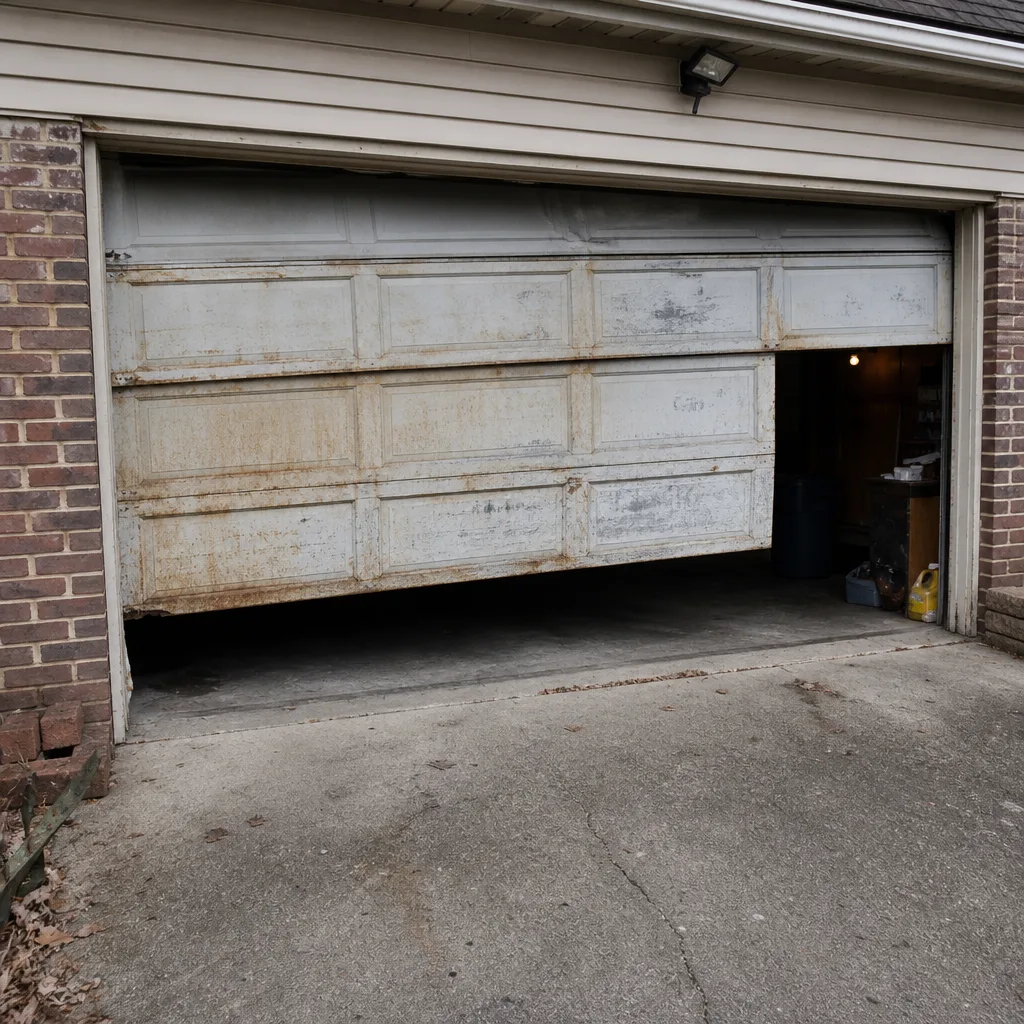 Before
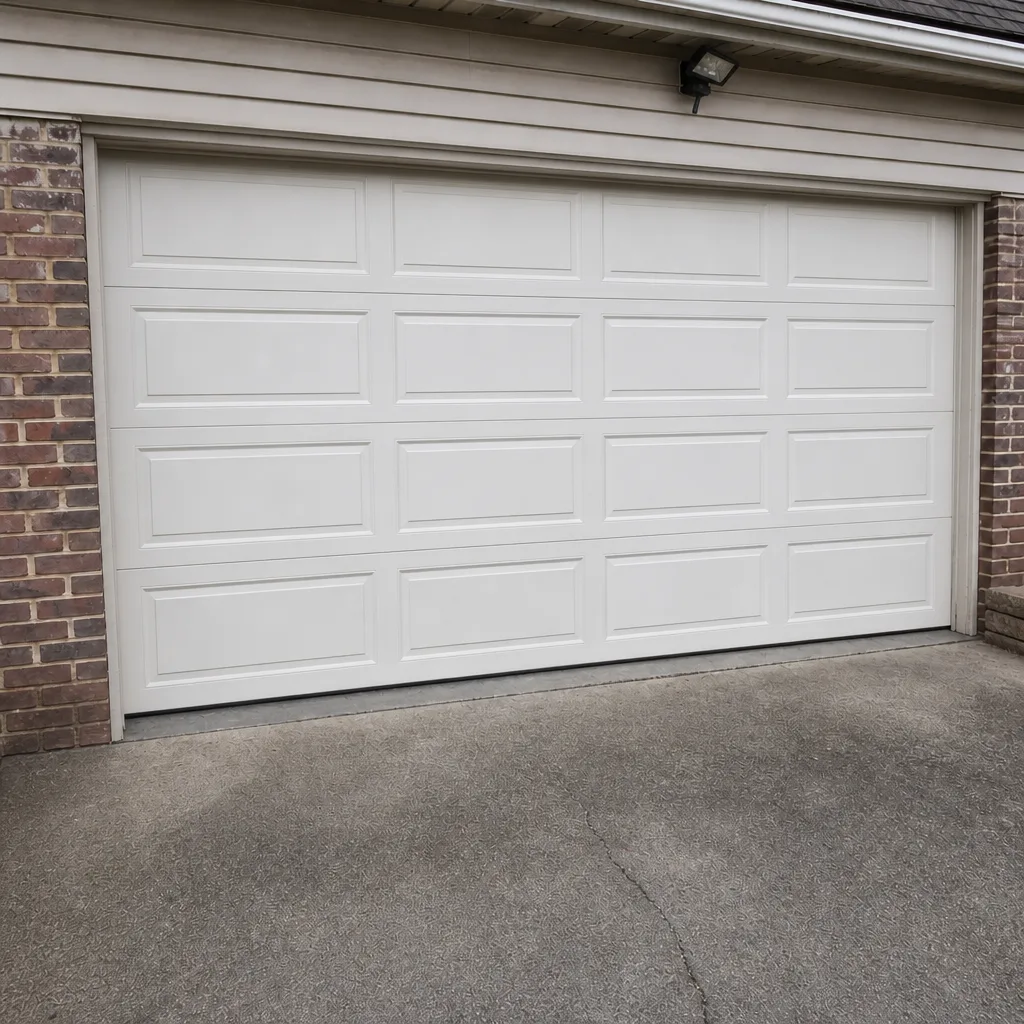 After
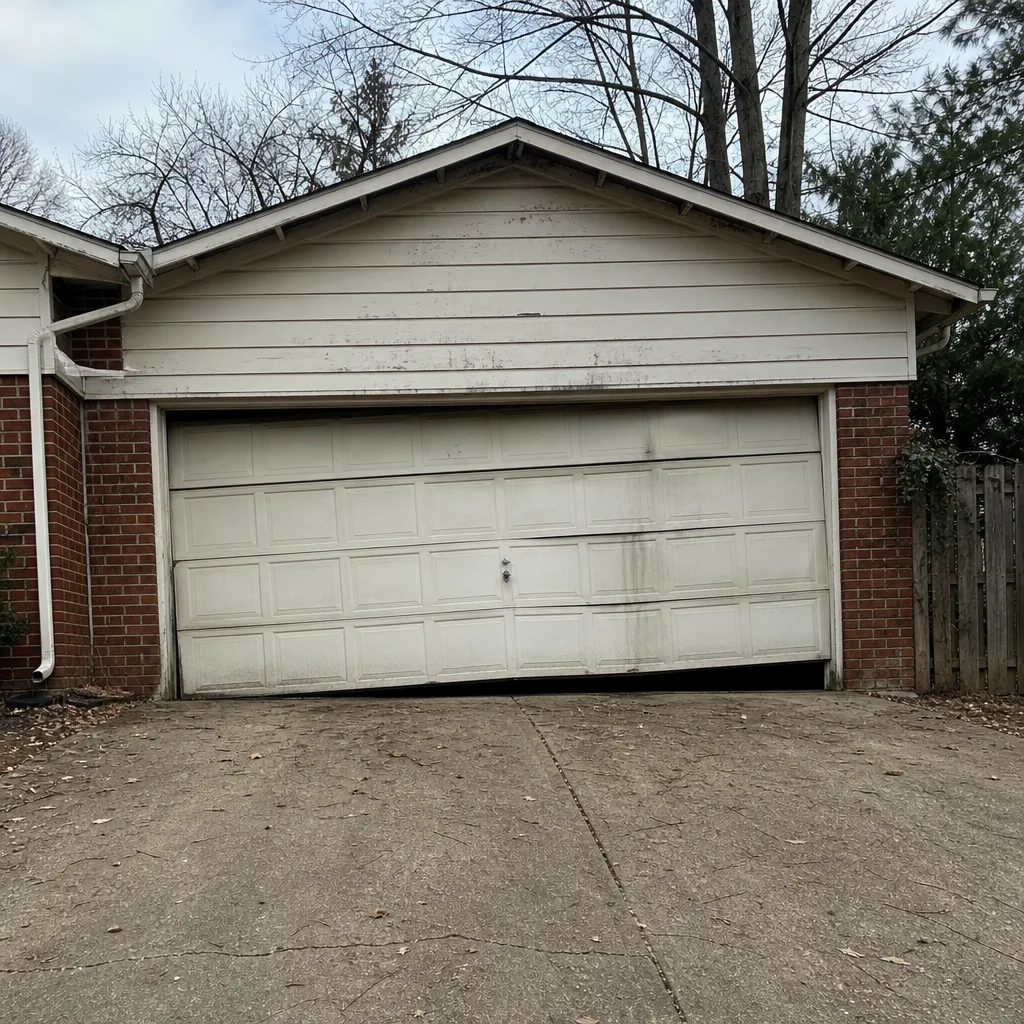 Before
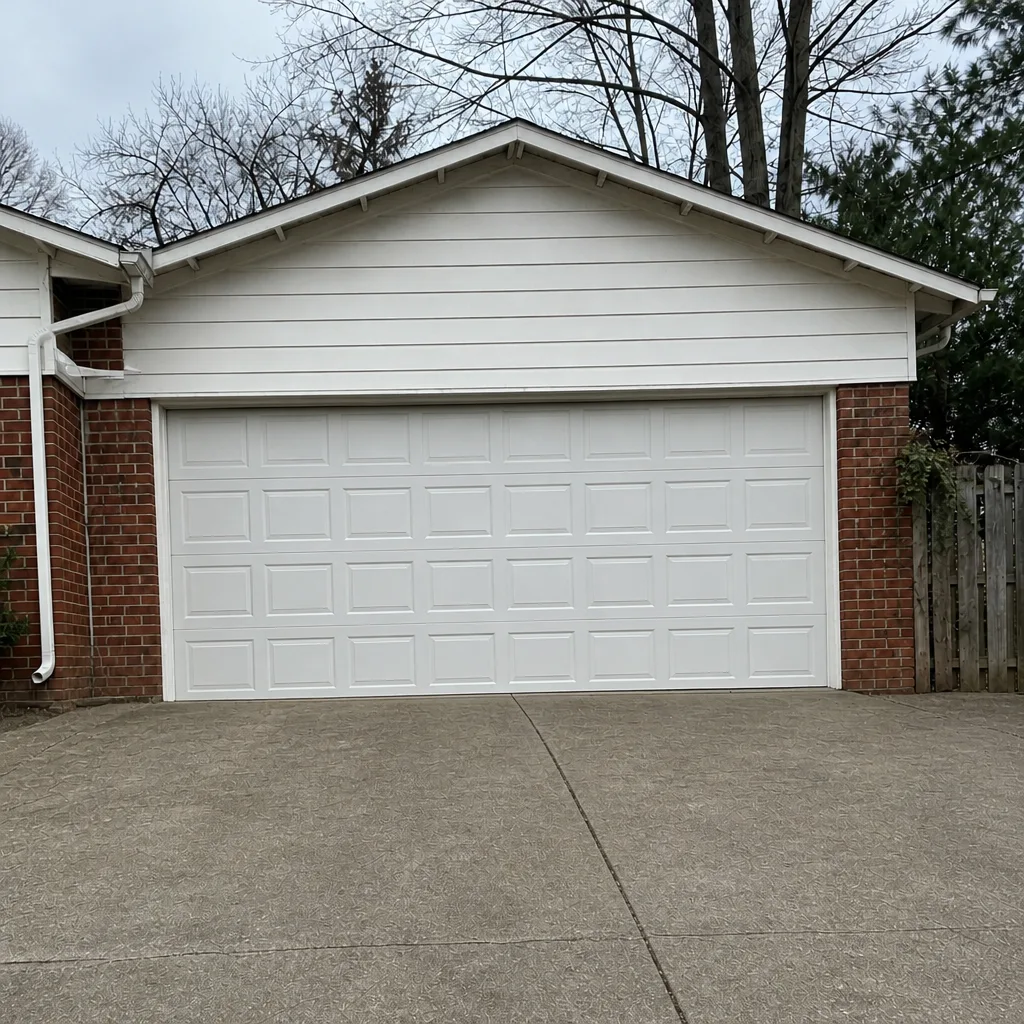 After
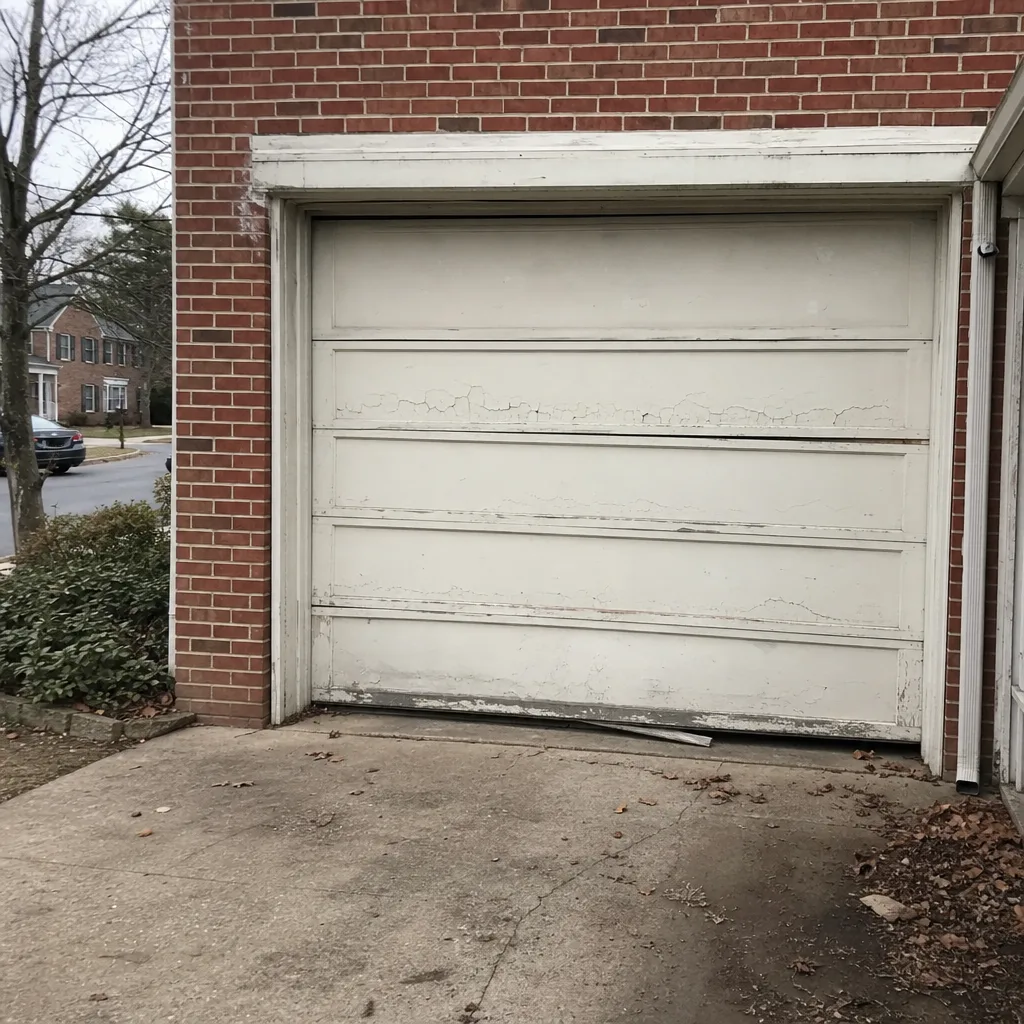 Before
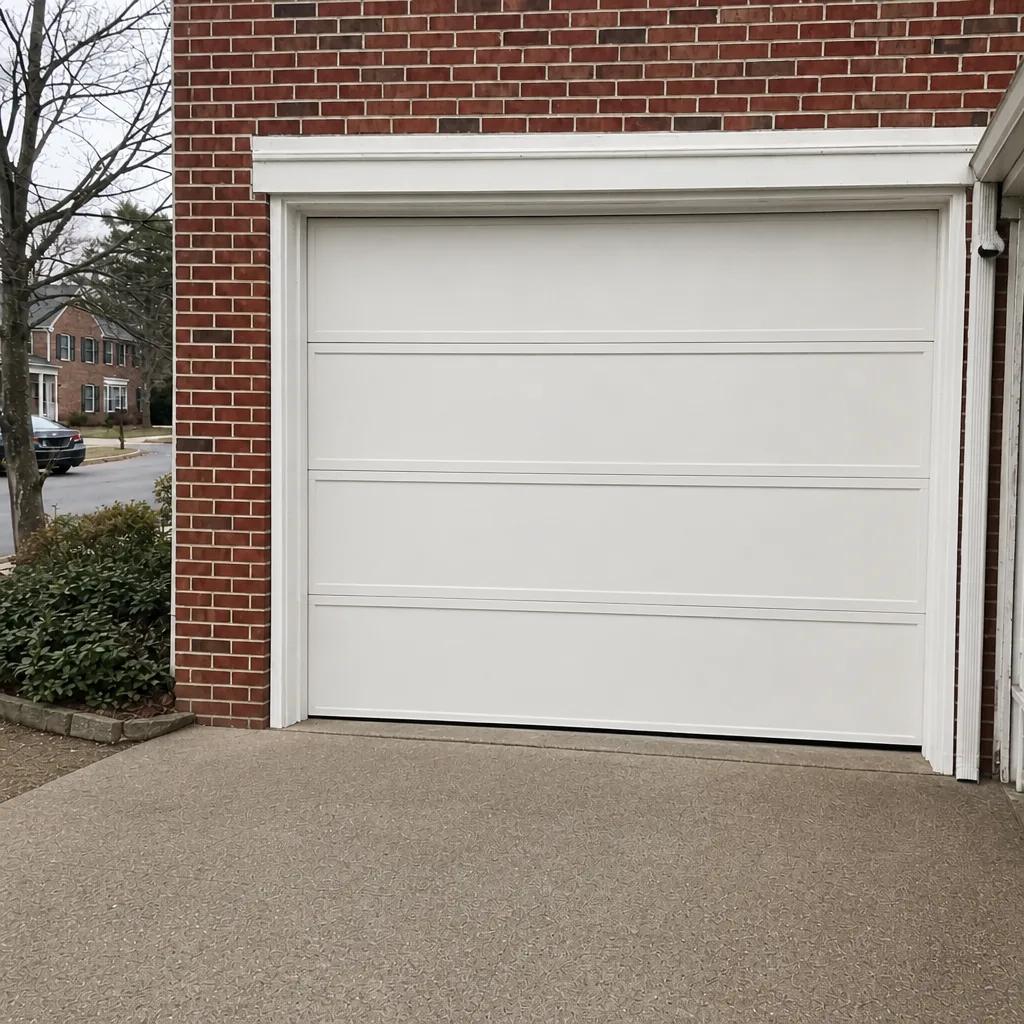 After