
Last updated November 16, 2026
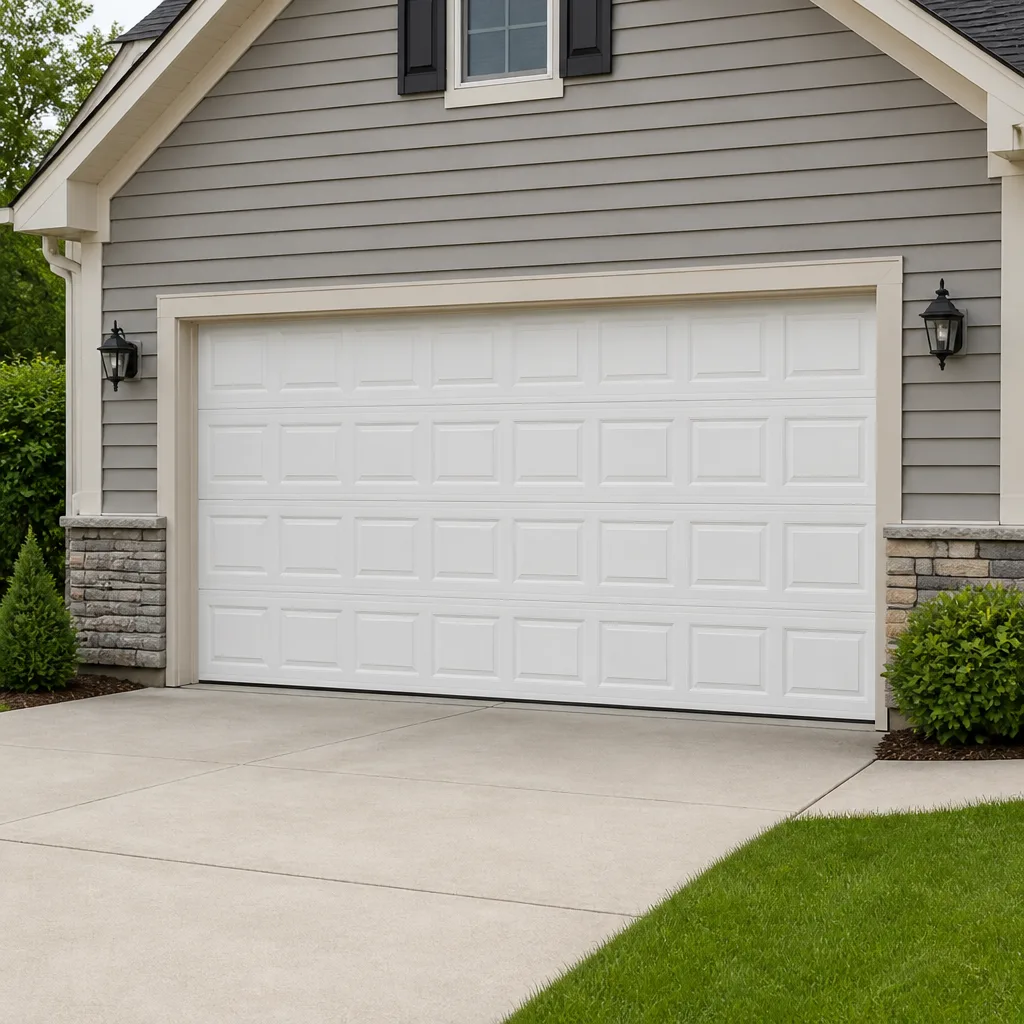 Raised-panel steel
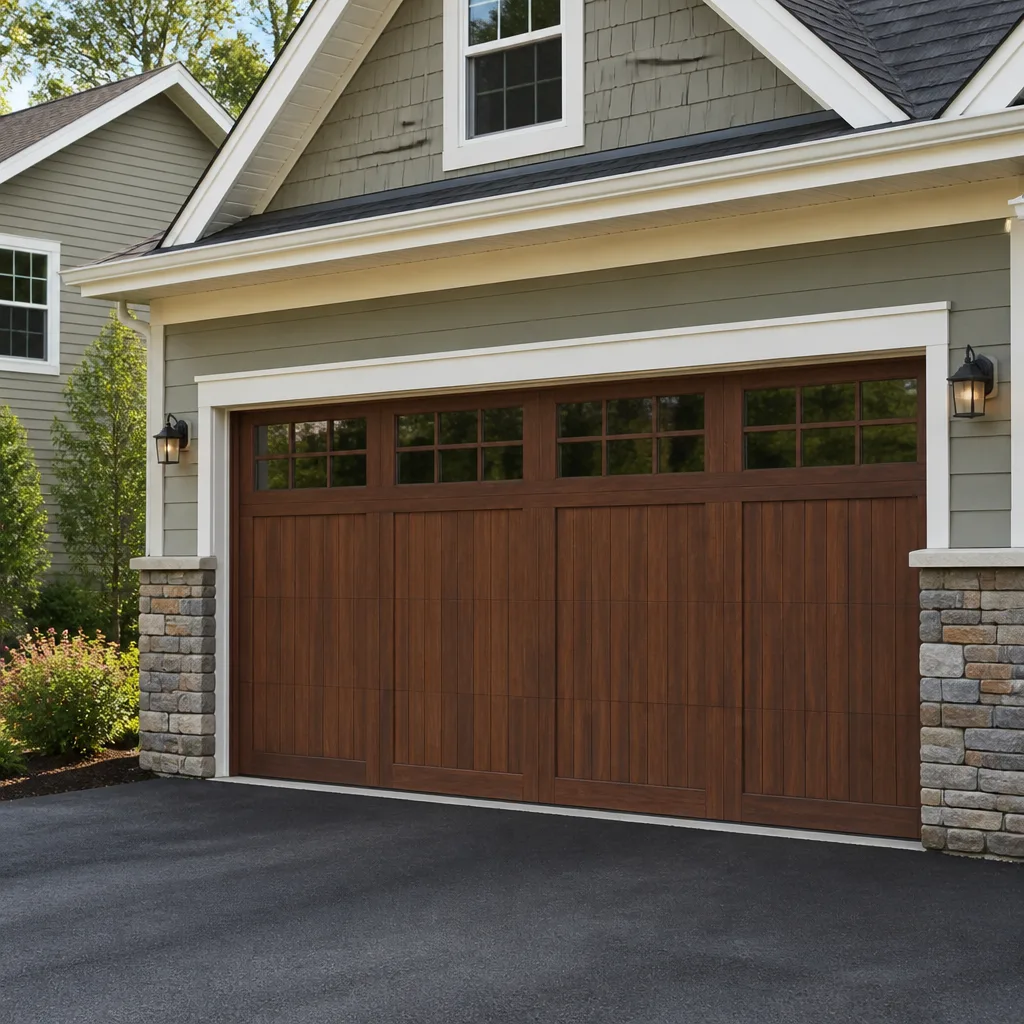
 Carriage house
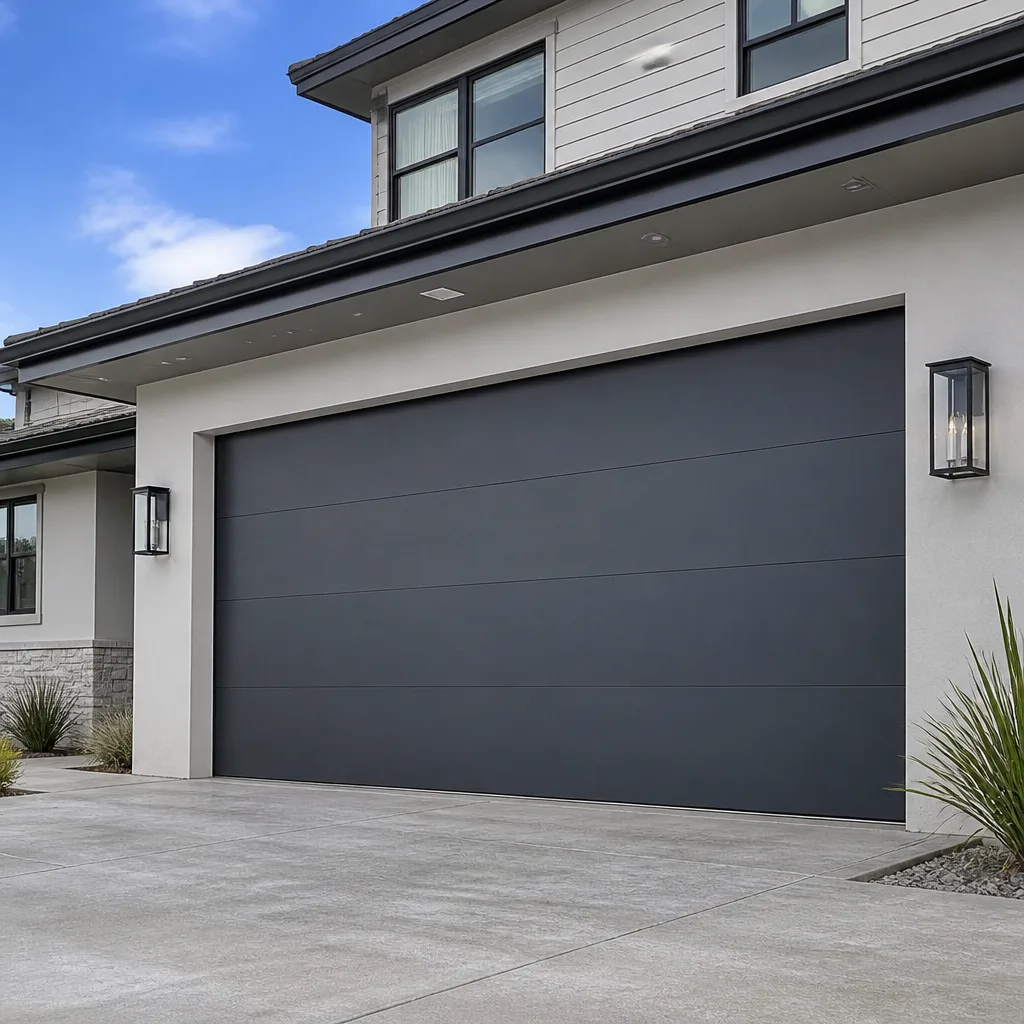 Modern flush
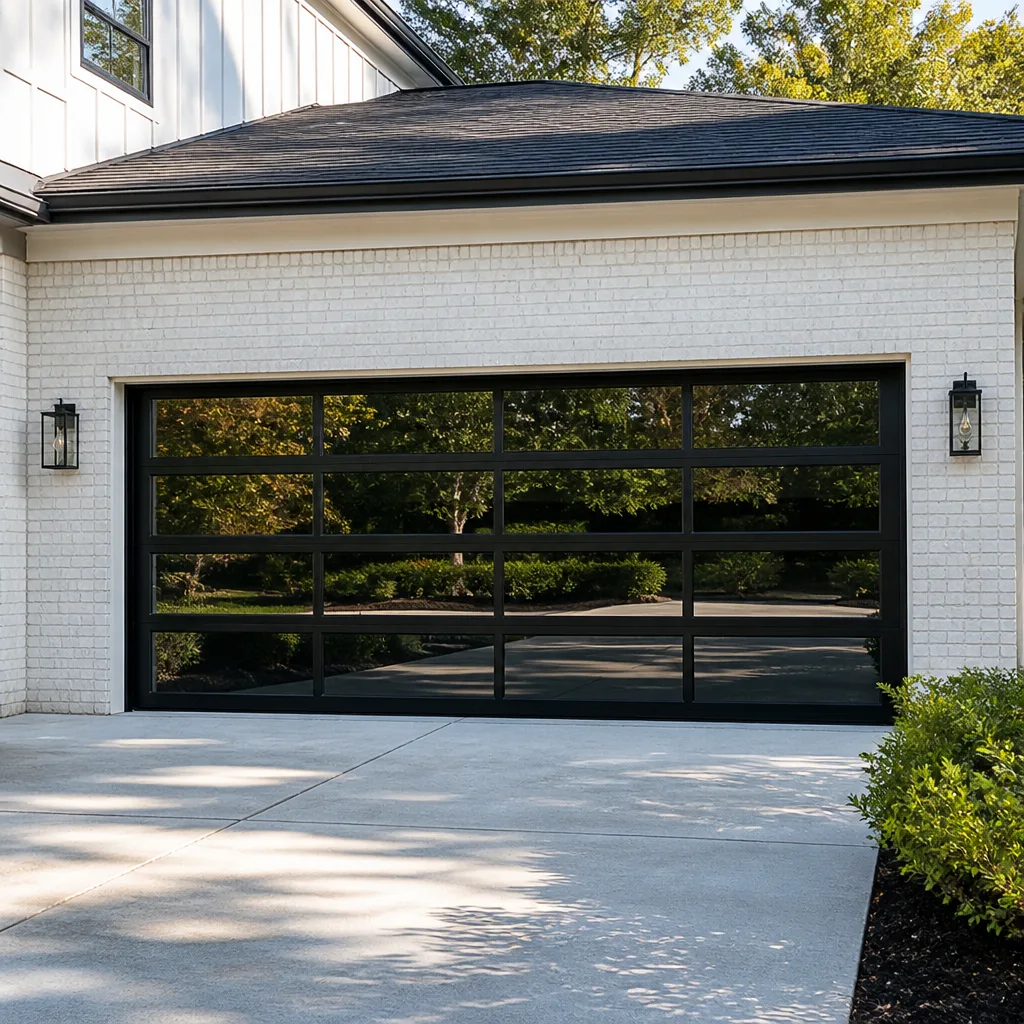 Full-view glass
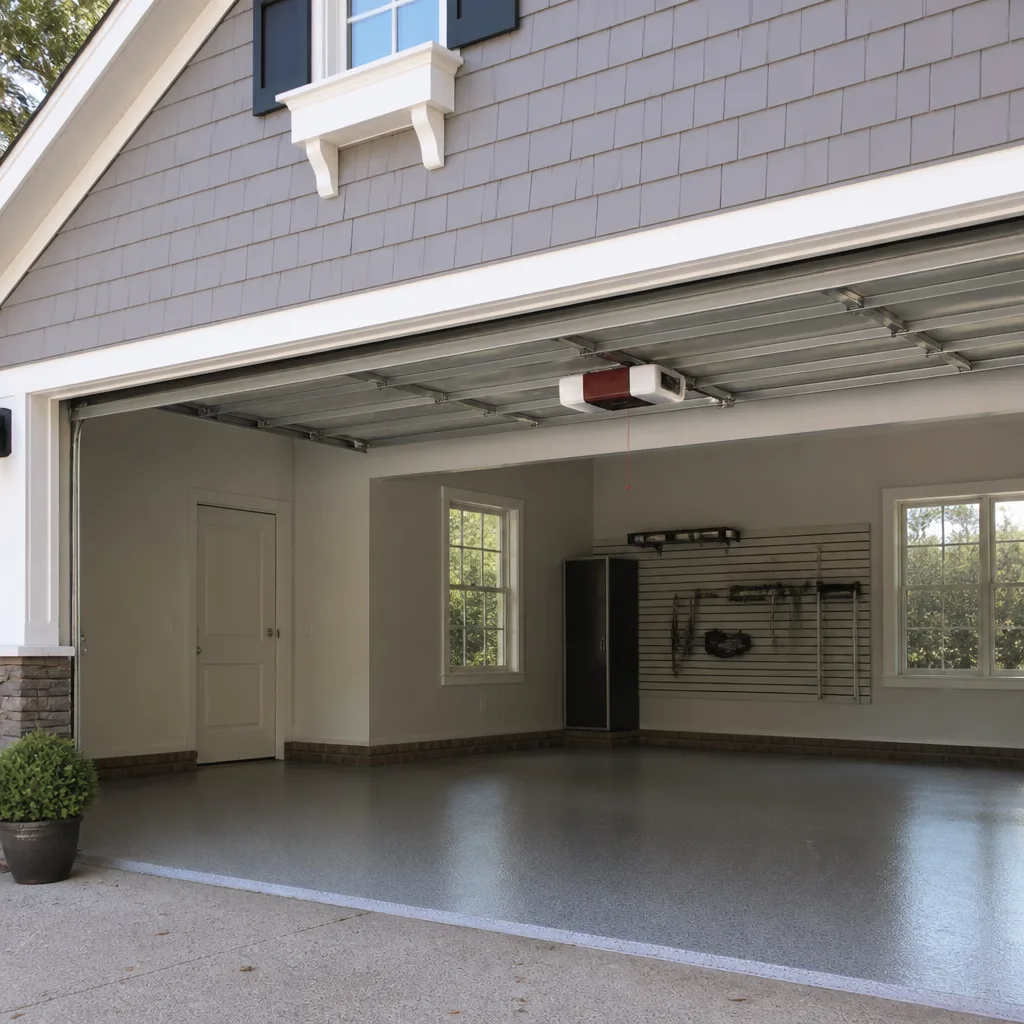 LiftMaster openers
 Chamberlain openers
Full 25-point door and opener safety check with every visit - springs, cables, rollers, tracks, and your LiftMaster or Chamberlain opener included
You get a price before we start. It does not change when the pro arrives.
Get your free estimateGarage Door Warning Signs: An Alexandria Homeowner’s Reference Guide
A garage door that hesitates for half a second before it moves isn’t “getting old.” That pause is a signal. It usually means the opener’s force settings are compensating for increased mechanical resistance, often from a worn roller or a spring that’s quietly losing tension. Most homeowners wait for a loud noise or a door that won’t budge, but the useful warnings arrive long before that. This guide organizes those early signals by the part of the system producing them – springs, cables, rollers and tracks, the opener, and the weather seals – so you can describe what you’re hearing and seeing in the right terms when you call. In Alexandria, that vocabulary shortens the diagnosis.
Quick Answer
The most reliable early warning signs of garage door trouble are a door that pauses before moving, grinding or popping sounds during travel, a bottom seal that no longer touches the floor, frayed cables, rollers that wobble instead of rolling smoothly, and an opener that reverses for no clear reason. A sharp bang followed by a door that won’t lift usually means a broken torsion spring and calls for an immediate stop. Signs like squeaking, a slow start, or a seal gap let you keep using the door while you schedule service. The part making the noise tells you more than the noise itself.
Styles & brands we work with
- Raised-panel steel
- Carriage house
- Modern flush
- Full-view glass
- LiftMaster openers
- Chamberlain openers
Table of Contents
- Why Early Warning Signals Matter More Than Obvious Failures
- Spring Warning Signs: Tension Loss and the Bang You Don’t Want to Hear
- Cable Warning Signs: Fraying Patterns You Can See From the Ground
- Roller and Track Signals: Grinding, Wobble, and Misalignment
- Opener Behavior as a Diagnostic Signal
- Weather Seal Signals and What They Say About Alignment
- Decoding the Sounds: Normal Operation vs. Failure Modes
- Stop-Use Conditions vs. Schedule-Service Conditions
Why Early Warning Signals Matter More Than Obvious Failures
By the time a garage door stops working entirely, the underlying cause has usually been developing for weeks or months. A spring doesn’t snap without warning; it sheds tension gradually, and the door gets heavier in small increments that most people adapt to without noticing. A roller doesn’t seize in a day; it flats and starts dragging first. The value of catching these signals early is simple: a small repair now is a smaller repair than the same problem after it has stressed the opener, the tracks, and the panels.
Alexandria homes present a particular pattern. The region’s humid summers and repeated freeze-thaw swings in winter work on metal hardware and wood or composite panels in ways that show up as binding, swelling, and loosened fasteners. A door that runs cleanly in spring can start to drag by late summer when humidity swells the panels and the rollers pick up grit. That seasonal cycle is why a door that “suddenly” started acting up is rarely sudden. It’s been telling you something since the weather changed.
There’s a second reason to learn the vocabulary. When you can tell a technician “the door grinds for the first two feet and then runs smooth,” that’s a different diagnosis than “the door is loud.” One points at a specific roller or a track pinch; the other could be almost anything. Describing the symptom accurately is the difference between a first-visit fix and a second appointment. Our technicians have up to 12 years of experience, and the calls that go fastest are the ones where the homeowner has already located the sound to the right part of the system.
- Location: Does the symptom come from overhead (springs), from the sides (cables, tracks), or from the opener unit itself?
- Timing: Does it happen on the way up, on the way down, or both?
- Consistency: Every cycle, or only in certain weather?
- Change over time: Is it getting worse, staying the same, or intermittent?
Spring Warning Signs: Tension Loss and the Bang You Don’t Want to Hear
Torsion springs store the energy that counterbalances the door’s weight, and they’re the most dangerous component in the system. A spring that’s losing tension shows up as a door that feels heavier when you lift it by hand, opens more slowly than it used to, or doesn’t stay open at the halfway point. You may also notice the opener straining more loudly as it compensates. In Alexandria, where doors cycle several times a day, that gradual strain is easy to dismiss as normal aging of the door. It usually isn’t the door.
Extension springs, common on older doors, give a different warning: a visible gap or stretch, or a safety cable that hangs loose. If you see daylight through a spring coil or the spring looks longer than its neighbor, treat it as a sign to stop using the door until it’s inspected.
The sound that means stop is a sharp, single bang followed by the door refusing to lift. That’s a torsion spring breaking, and it’s a genuine stop-use condition. Do not try to open the door manually, and do not attempt to inspect the spring itself. High-tension springs and the cables under them can cause serious injury, and adjusting or replacing them is work for a trained technician with the right tools, not a homeowner job.
- Gradual tension loss: door feels heavier, opens slower, hesitates at the start. Schedule service.
- Visible extension spring stretch or loose safety cable: schedule service promptly and limit use.
- Sharp bang and a door that won’t lift: stop using the door and call for repair.
- Any visible gap in a torsion spring coil: stop using the door.
When you call, tell us the door’s weight behavior and whether you heard a bang. That single detail lets us prepare for a spring replacement before anyone arrives. For more on how that repair works and what’s involved, our garage door repair page walks through the process.
Cable Warning Signs: Fraying Patterns You Can See From the Ground
The lift cables run from the bottom corners of the door up to the drums at the top of the track. They’re under constant tension and they’re one of the few components you can inspect safely from the floor, as long as you keep your hands off them. Fraying is the primary warning. Look for a fuzzy appearance along the cable, broken strands sticking out, or a cable that has jumped its groove on the drum and sits crooked.
A cable that has come off the drum and looks slack or tangled is a stop-use condition. The door is no longer properly supported on that side, and running the opener can twist the door in the tracks or drop it unevenly. Don’t try to re-seat it yourself; a cable under load can snap back with serious force. Call for service and leave the door closed.
Mild fraying without a jump is a schedule-service sign. It won’t fail today, but it will fail, and a cable that breaks while the door is moving is how panels get bent and tracks get torn. In our experience, cables on Alexandria doors tend to show wear sooner on the side that faces the afternoon sun, because the heat cycling dries out the lubricant on that drum a little faster. It’s worth a glance at both cables, not one.
- Fuzzy cable surface or stray strands: schedule service soon.
- Cable off the drum, slack, or crossed: stop using the door and call.
- Uneven door lift, one side lagging: likely a cable or drum issue; have it checked.
- Rust spots on the cable strands: a sign of moisture exposure; inspect at the next service.
Roller and Track Signals: Grinding, Wobble, and Misalignment
Rollers are the quiet workhorses of the system, and they’re where “the door is getting noisy” usually originates. A healthy roller rolls; a worn roller slides. When the nylon or steel wheel flats or the bearing seizes, you get a grinding or scraping sound that tracks with the door’s movement, often louder at the start and end of travel. You can sometimes see it from the ground: the roller wheel wobbling instead of spinning cleanly, or the roller stem sitting at an angle in the hinge.
Tracks are the other half of the picture. A track that’s out of alignment shows up as a door that binds at one point in its travel, a visible kink or gap at a joint, or a door that rubs against one side. Impact from a vehicle or a bicycle in a tight Alexandria garage is a common cause, but so is the gradual loosening of the track brackets over time.
Here’s a numbered sequence for a safe ground-level check. No tools, no touching.
- Stand back and watch the door through one full open and close cycle.
- Listen for where the noise starts and stops – top, middle, or bottom of travel.
- Look at the rollers as they pass the hinges; note any that wobble or don’t spin.
- Check the vertical tracks on each side for visible bends, gaps at joints, or a door that hugs one side.
- Note whether the door seems to twist or lag on one side as it moves.
Wobbling rollers and minor track noise are schedule-service signs. A track that has visibly separated from its bracket, or a door that’s come off the track entirely, is a stop-use condition.
Opener Behavior as a Diagnostic Signal
Most people assume a misbehaving opener needs a new motor. In our experience, that’s the least likely explanation. The opener is the system’s brain, and its odd behaviors usually point to something else: a force setting compensating for a heavy door, a photo-eye that’s blocked or misaligned, or a limit switch that’s drifted. Learning to read the behavior narrows the diagnosis before a technician sets foot in the garage.
- Door reverses immediately after closing: usually a photo-eye issue or a force setting. The safety system thinks it detected an obstruction.
- Door goes partway and stops: typically a travel limit or force setting, sometimes a binding door the opener can no longer push.
- Opener runs but the door doesn’t move: a broken spring, a disconnected trolley, or a stripped gear inside the unit.
- Remote or keypad stops working, wall button still works: a remote, battery, or receiver problem, not a motor problem.
- Opener strains, hums, or sounds louder than usual: often the door is heavier than it should be. The opener is working harder to compensate.
That last signal is the one most often missed. An opener that’s gotten louder is usually telling you the door has gotten heavier – a spring losing tension, a roller dragging, a hinge binding. Replacing the opener without addressing the door just puts a new motor under the same load. Our garage door opener repair service starts by checking the door’s balance and travel, because the fix is often in the door, not the box on the ceiling. Whether it’s a LiftMaster, Chamberlain, Genie, or Craftsman unit, the diagnostic logic is the same.
Weather Seal Signals and What They Say About Alignment
The bottom seal is the easiest warning sign to check and the easiest to ignore. A seal that’s cracked, torn, or no longer touching the floor lets in water, pests, and drafts, but it’s also a diagnostic clue. If the seal is compressed hard on one side and barely touching on the other, the door isn’t sitting level. That unevenness usually traces back to a cable, a drum, or a track alignment issue, not just a worn seal.
Alexandria’s humid summers and winter freeze-thaw cycles are hard on rubber seals. They dry out, crack along the bottom edge, and eventually pull away from the retainer. A seal that’s flat but uniform suggests it’s simply aged out. A seal that’s worn unevenly suggests something else is going on.
- Uniform compression loss or cracking: the seal itself has aged; replacement is straightforward.
- Uneven compression side to side: the door is out of level; have the cables and tracks checked.
- Seal pulling away at one corner: often panel or alignment related.
- Visible daylight under the door when closed: seal or level issue; worth diagnosing both.
Weather seals are usually a schedule-service item. But when the unevenness points at a deeper alignment problem, that underlying issue may be a stop-use condition. For a broader look at common door problems across the city, our Alexandria service page covers the full range of repairs.
Decoding the Sounds: Normal Operation vs. Failure Modes
Sound is the most detailed diagnostic signal a garage door gives you, and most homeowners hear it every day without translating it. Here’s how we break it down.
- A soft hum and a smooth rumble: normal operation. The opener motor, rollers, and chain or belt are all doing their jobs.
- Squeaking during travel: usually rollers that need lubrication or hinges that have dried out. A schedule-service sign, not urgent. In our experience this one tends to show up in Alexandria after a stretch of dry weather.
- Grinding or scraping: typically a seized roller, a roller stem dragging, or a track pinch. Schedule service and watch for it getting worse.
- Popping or snapping: often a cable jumping the drum or a torsion spring starting to shed tension. Treat it as a stop-use sign until inspected.
- Rattling from the panels: loose hinges or fasteners. Usually minor, but worth having tightened before the panel takes stress.
- A single sharp bang followed by no movement: a broken torsion spring. Stop using the door and call.
The pattern that matters is change. A door that has sounded the same for months is fine. A door whose sound has shifted in a specific direction – louder, grindy, poppier – is describing a failure mode that’s developing. When you call, mimic the sound or describe where in the travel it happens. We can tell you a lot about likely causes from that one detail.
If the sound is coming from the opener itself and the door runs fine, we cover that in more depth on our Paragon Garage Door Repair page, where we walk through how we diagnose and repair the full system.
Stop-Use Conditions vs. Schedule-Service Conditions
Not every warning sign needs the door shut down today. Some do, and misjudging the urgency is how a small repair becomes a big one. Here’s the split we use.
Stop use immediately and call for repair
- A sharp bang followed by a door that won’t lift, indicating a broken torsion spring.
- A cable that has come off the drum, slack, tangled, or visibly crossed.
- The door off the tracks or hanging unevenly.
- Visible separation in a torsion spring coil.
- An opener that has stopped the door at the halfway point and won’t restart, combined with a heavy-feeling door.
Safe to use while you schedule service
- Squeaking, grinding, or rattling that hasn’t changed the door’s operation.
- A seal that’s cracked, flat, or letting light in.
- One roller that wobbles but the door still tracks evenly.
- An opener that hesitates or reverses occasionally but the door still cycles cleanly.
- A remote or keypad that’s stopped working while the wall button still does.
The line between these two lists is whether the door is still being safely supported. If the answer is uncertain, treat it as stop-use and call. A closed door is a safe door.
Common Mistakes to Avoid
- Lubricating a spring that needs replacing. Lubricant quiets the noise but doesn’t restore tension, and the door keeps getting heavier. A torsion spring that’s lost tension should be inspected, not greased.
- Assuming a louder opener needs replacing. A louder opener is usually reporting a door that’s gotten heavier. Replacing the opener without fixing the door just loads the new unit harder.
- Trying to re-seat a cable by hand. Cables under tension can snap back with serious force. If it’s off the drum, stop using the door and call.
- Adjusting the opener’s force setting to fix a door that reverses. Higher force masks the real problem – usually a photo-eye, a limit switch, or a binding door – and it defeats a safety feature on purpose. Have it diagnosed properly.
- Ignoring uneven seal compression. A seal that’s worn on one side is describing a leveling issue that will eventually wear the rollers and the tracks. Catching it early saves the alignment work.
- Waiting for the door to stop entirely. Almost every failure gives you a run of warning signs first. A door that’s been grinding for a month and then quits didn’t quit suddenly; the signs were there.
- Calling without describing the symptom. “It’s broken” tells us nothing; “it grinds for the first two feet and then runs smooth” tells us where to start. Accurate vocabulary shortens the visit and reduces guesswork.
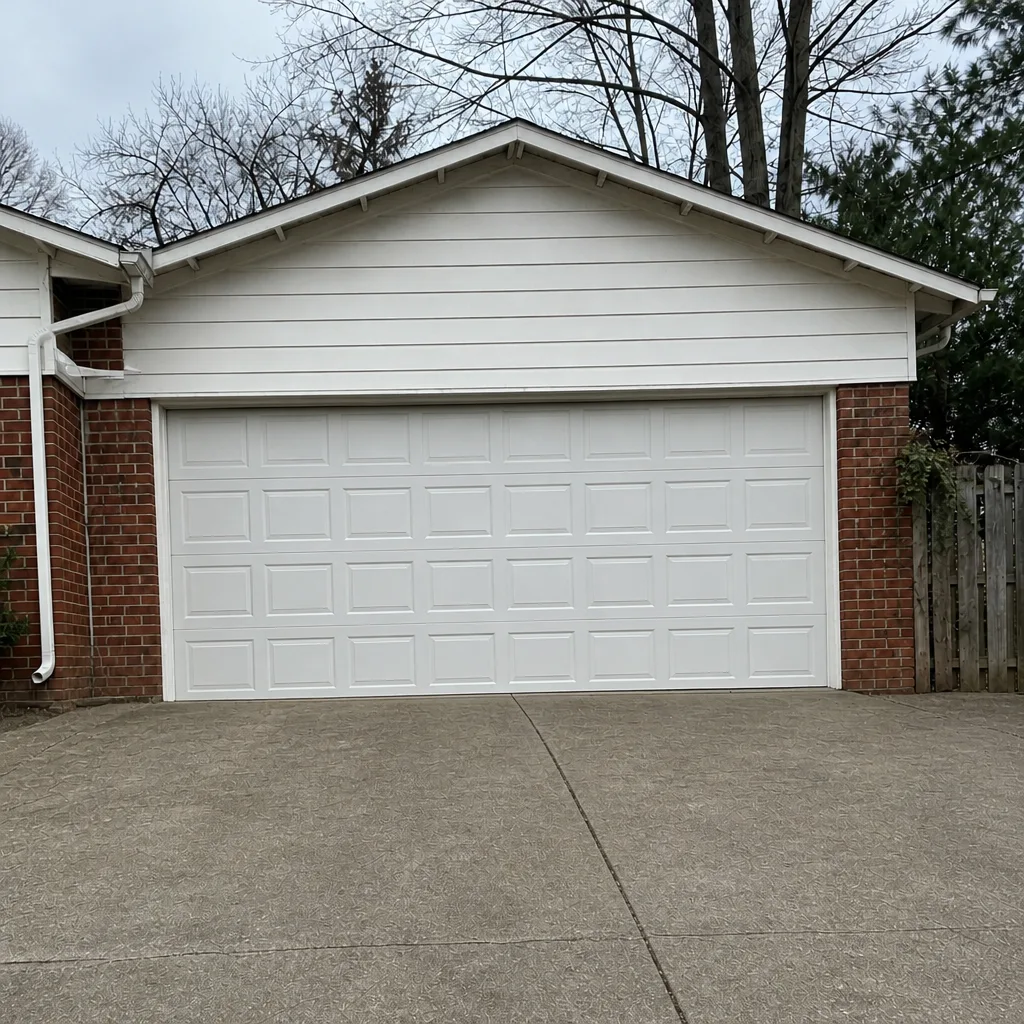
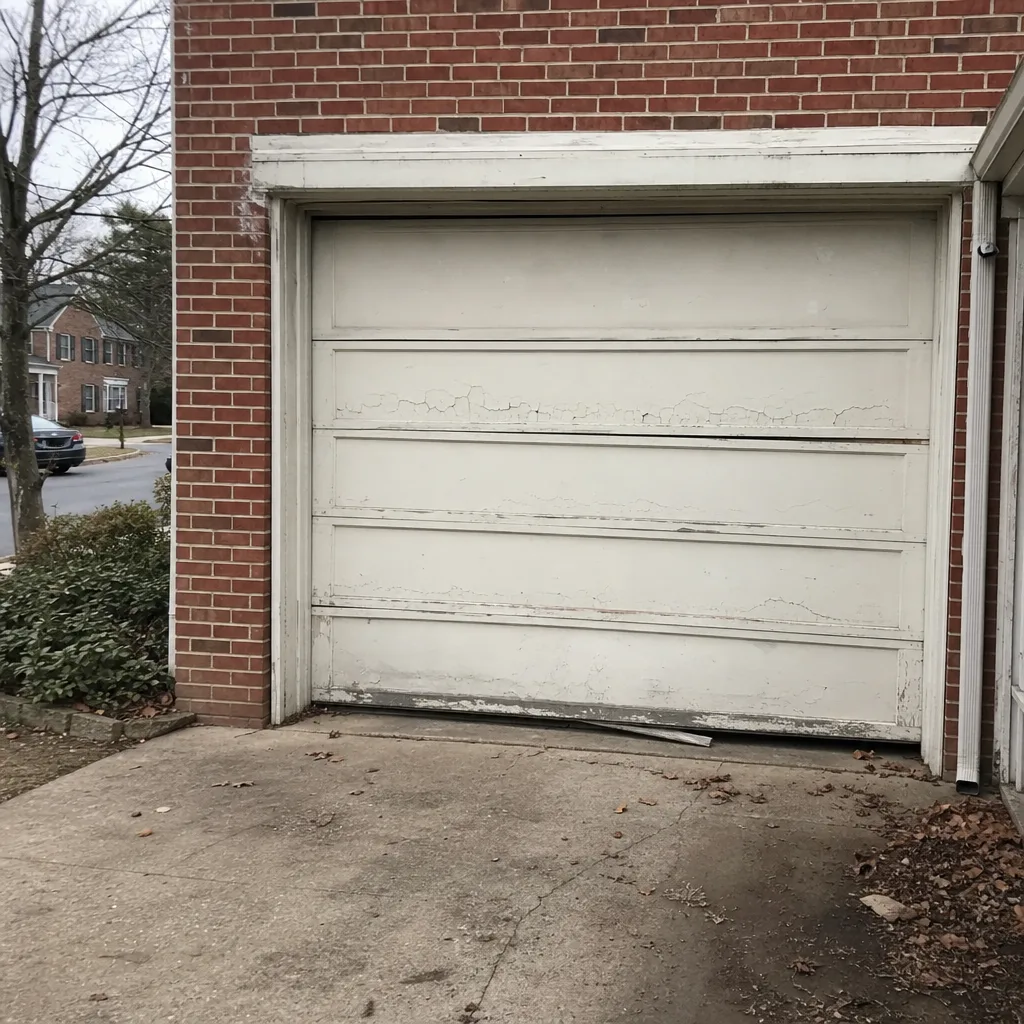
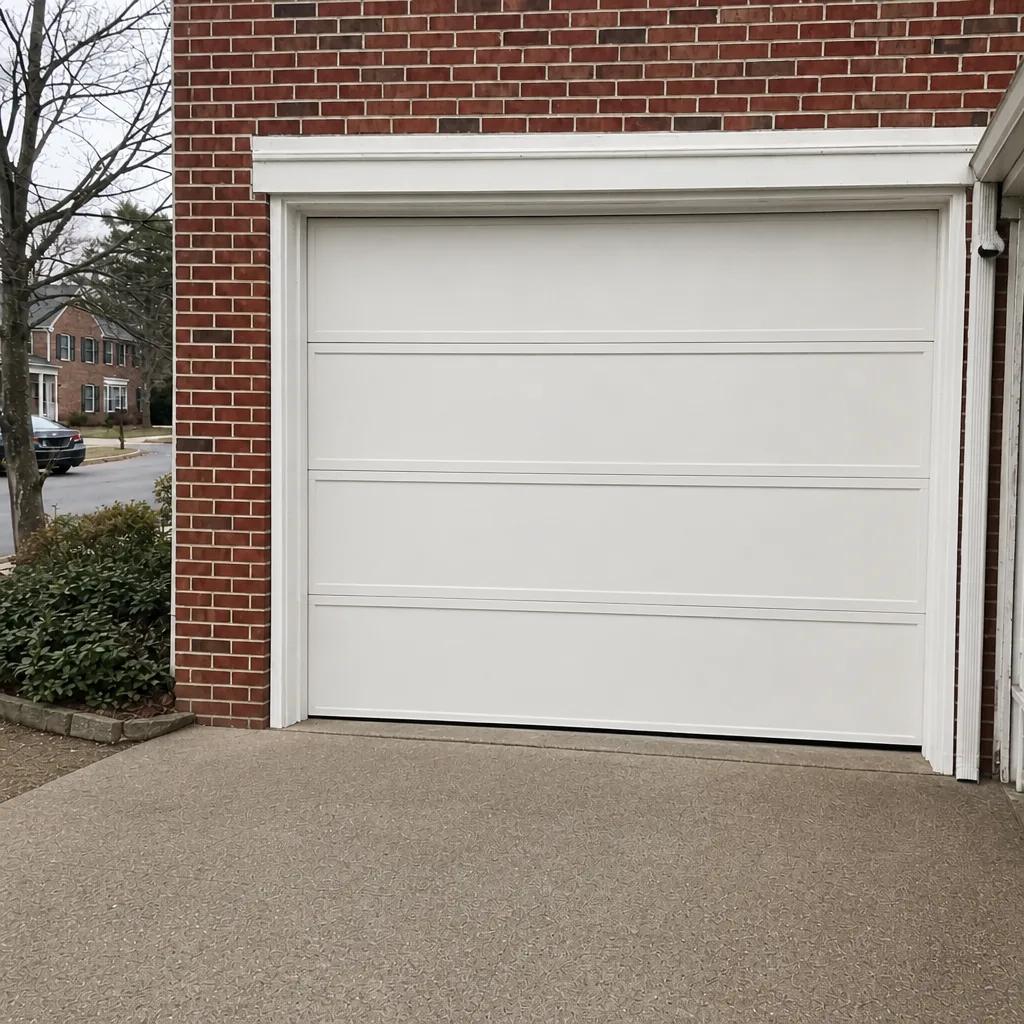
See the difference
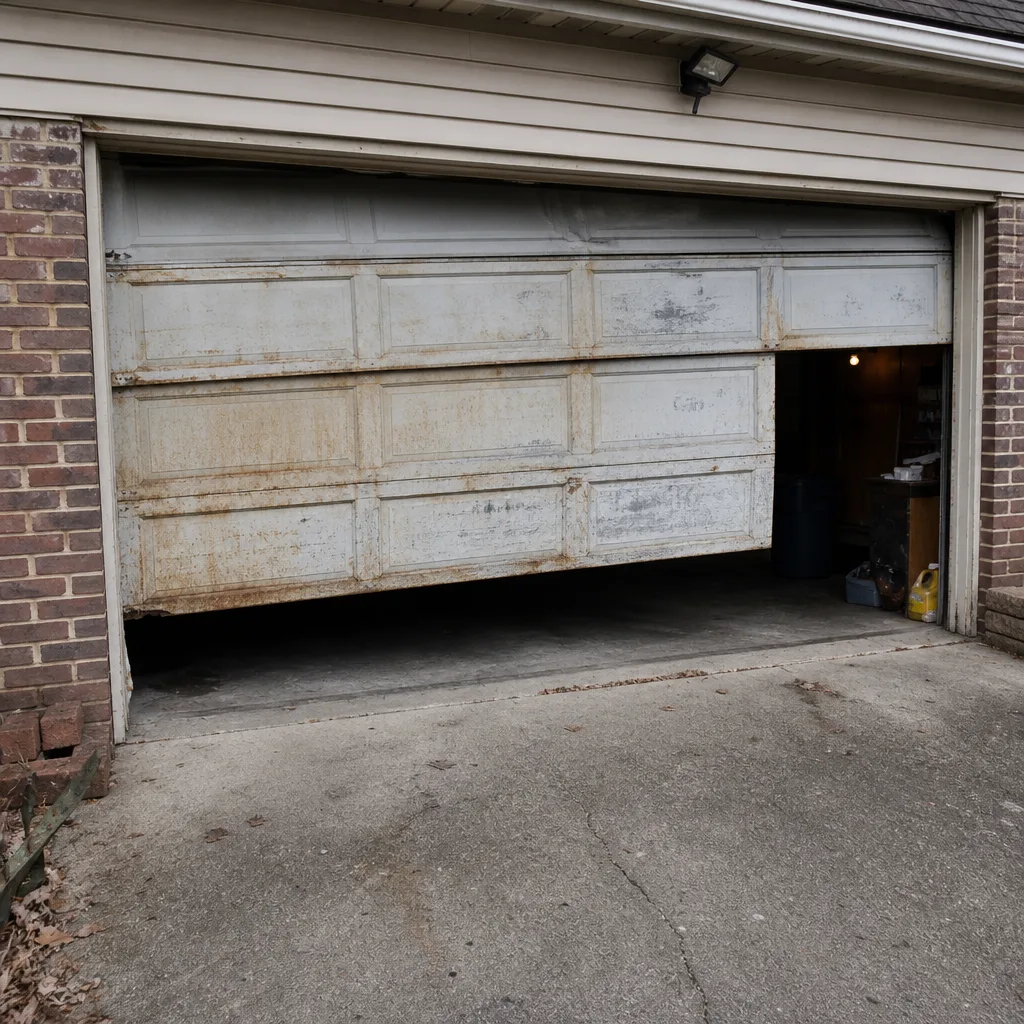 Before
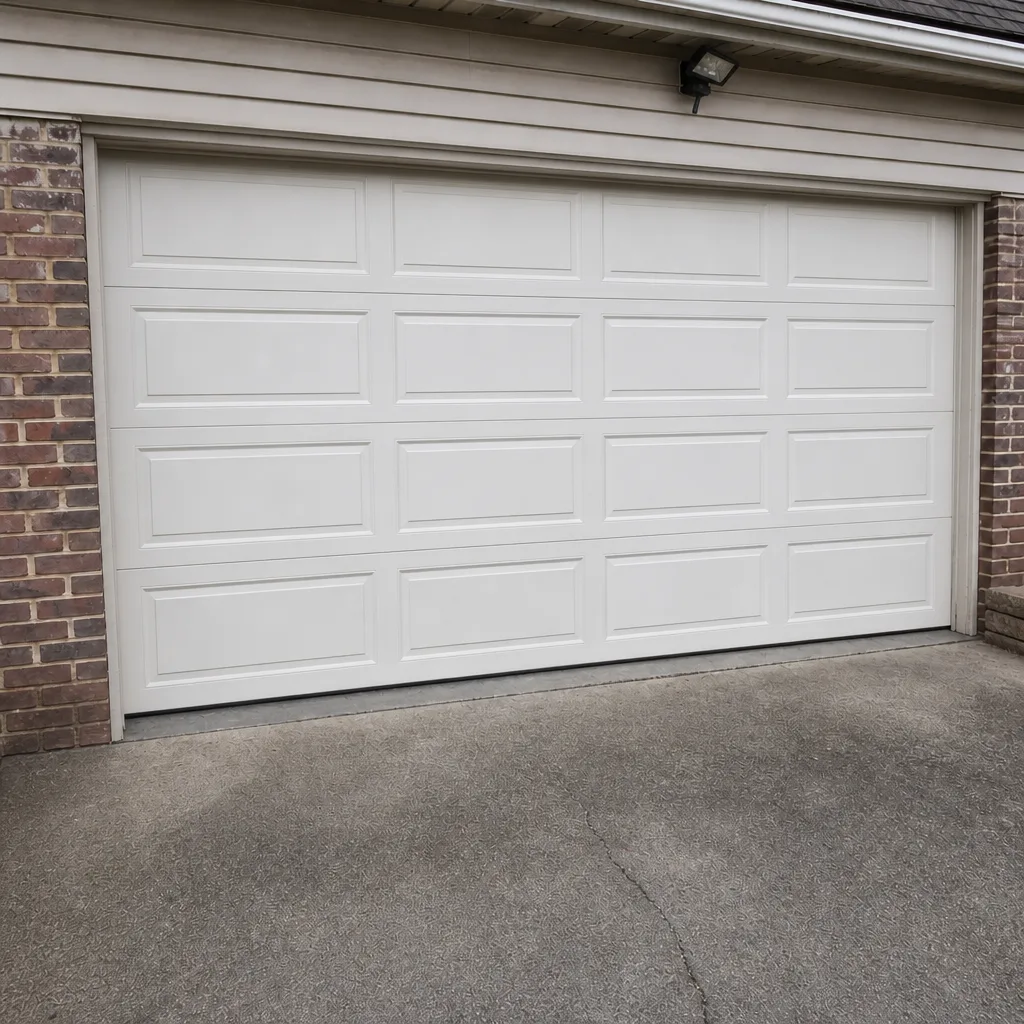 After
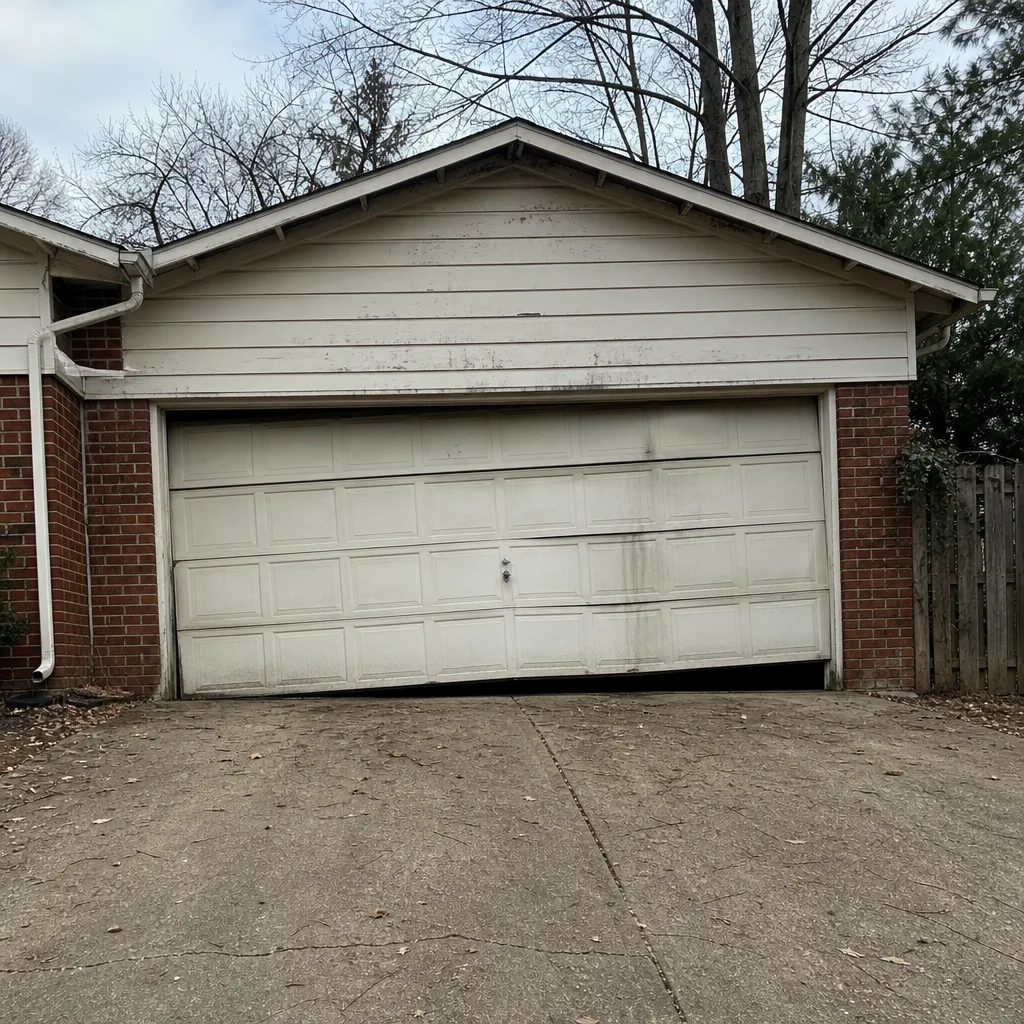 Before
 After
 Before
 After
When to Call a Professional
Call for a technician when a spring has snapped, a cable is off the drum or frayed, the door has come off the track, the opener reverses for no clear reason, or you can see a visible defect in any component under tension. Also call when the signs are subtle: a door that’s gotten louder, a start that hesitates, a seal that’s uneven. Those are exactly the signals that avoid a bigger job down the road. What you should not do is try to adjust a torsion spring, re-seat a cable, or remove the opener’s force settings – high-tension springs, cables, and electrical components are jobs for a trained technician, and a real expert will always tell you so. Paragon Garage Door Repair offers free estimates in Alexandria. Call (866) 812-5587. We answer 24/7, with fast dispatch from 7am to 7pm, Sunday through Friday.
Frequently Asked Questions
The earliest sign is usually a hesitation before the door starts to move. That pause means the opener is working harder to overcome increased resistance, which typically points to a worn roller or a spring that’s losing tension. It’s the signal to schedule service, not a sign the door is “getting old.”
Not usually. A door that reverses immediately after closing typically has a photo-eye issue or a force setting that’s out of adjustment. The motor is doing what it’s designed to do; the safety inputs or the force calibration are telling it to reverse. Call (866) 812-5587 for a diagnosis.
Not usually – grinding is typically a worn roller or a track pinch, and the door can be used while you schedule service. But it should be fixed soon, because a dragging roller adds strain to the opener and the panels. If you also notice the door twisting or binding, stop using it and call.
You can do a safe visual check from the ground in a couple of minutes. Watch one full open and close cycle; listen for where the noise starts; look at the rollers as they pass; check the vertical tracks for bends or gaps; and glance at the bottom seal for uneven compression. Anything involving springs, cables, or the opener’s internals should be left to a technician.
It depends on what the signs are pointing at. Frayed cables, a worn roller, or a tired seal are repair items. Multiple panel problems, repeated opener failures, or a door with structural wear in Alexandria’s humid climate may be a case for replacement. Our approach is repair-first; we only discuss replacement when the repair genuinely won’t last.
Metal and wood expand and contract with temperature and humidity, so the same door can bind in July and run clean in October. Alexandria’s humid summers swell panels and stiffen rollers; winter freeze-thaw cycles loosen fasteners and dry out lubricant. A door that only misbehaves in one season is usually reporting a seasonal alignment change worth having checked.
The Bottom Line
Garage doors don’t fail without warning; they fail after a run of signals the homeowner learns to read. The most important ones are early: a hesitation at the start, a sound that’s changed, a seal that’s compressed unevenly, a roller that wobbles. Learning those signs by system component, and knowing which ones mean stop and which ones mean schedule, is the difference between a small repair and a big one. Our technicians have up to 12 years of experience across LiftMaster, Chamberlain, Genie, Craftsman, Clopay, Amarr, Wayne Dalton, and Raynor equipment, and we work on what you already have. When you call, describe the symptom in the terms this guide has given you. That’s the fastest path to the right fix.
Call Paragon Garage Door Repair at (866) 812-5587 for a free estimate. The price is quoted and agreed before any work starts. We answer 24/7, with fast dispatch from 7am to 7pm, Sunday through Friday, and a written estimate sets the final price.
Written by the team at Paragon Garage Door Repair.