
Last updated November 16, 2026
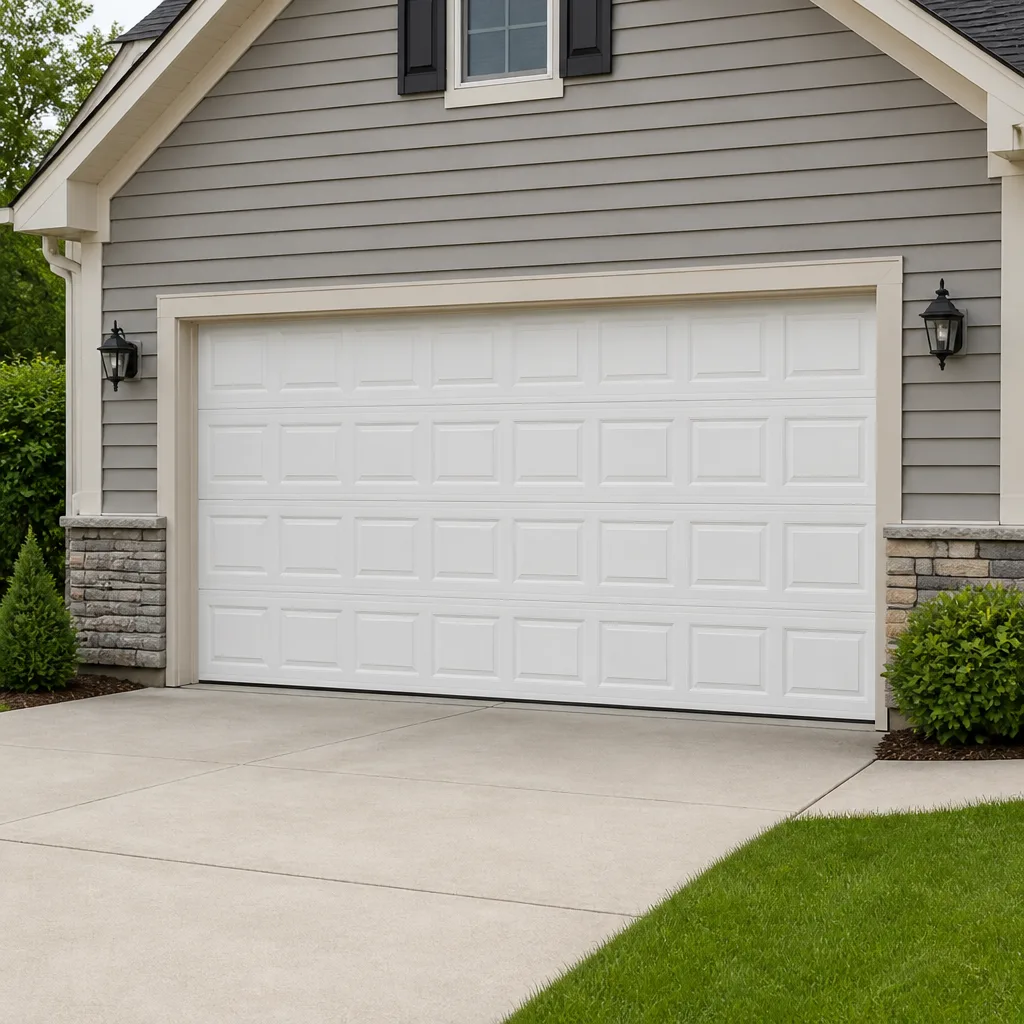 Raised-panel steel
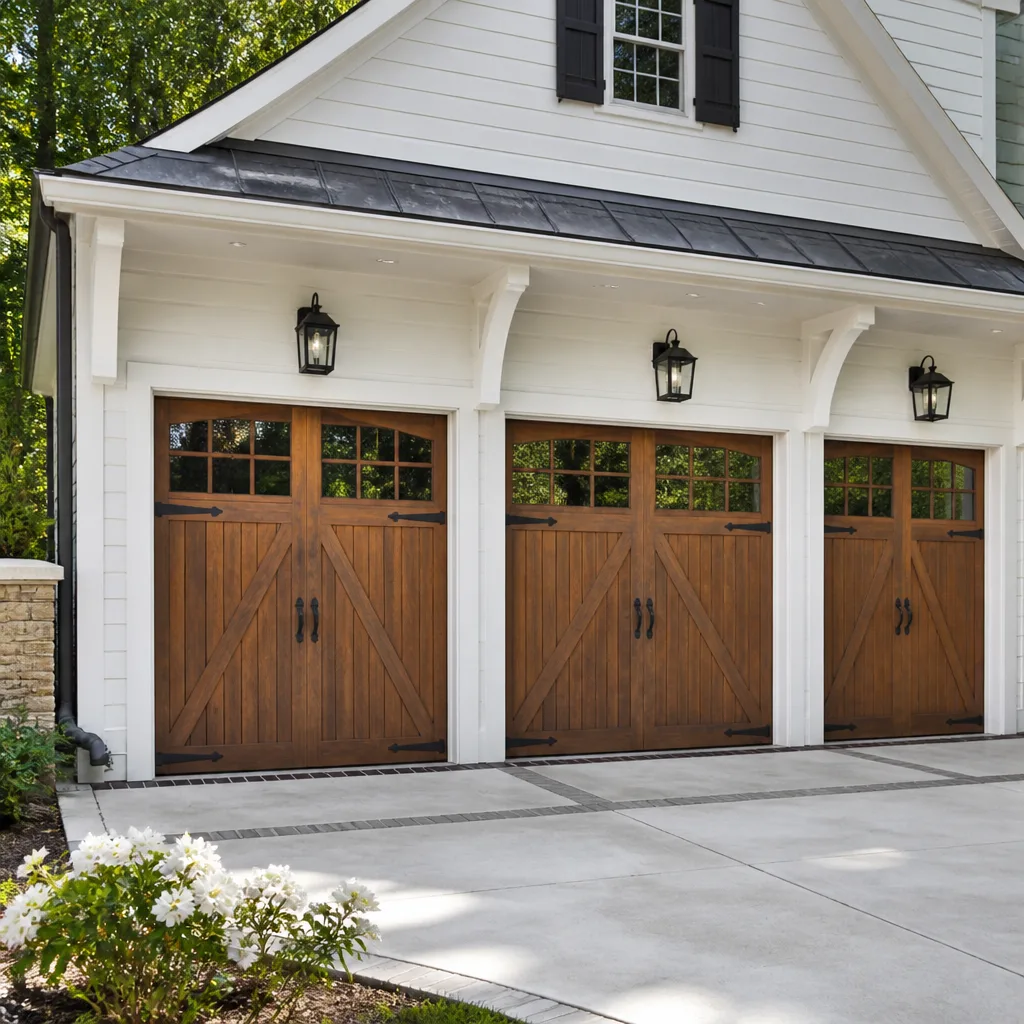 Carriage house
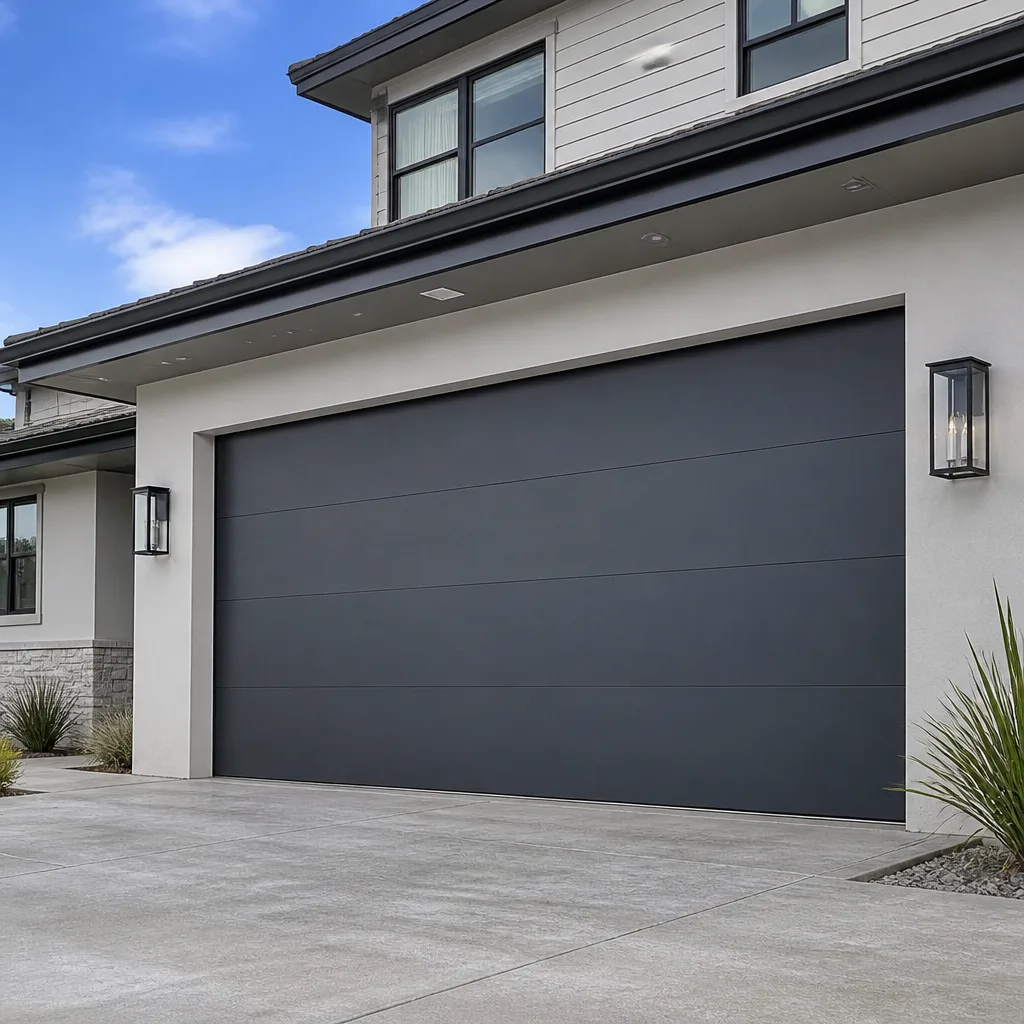 Modern flush
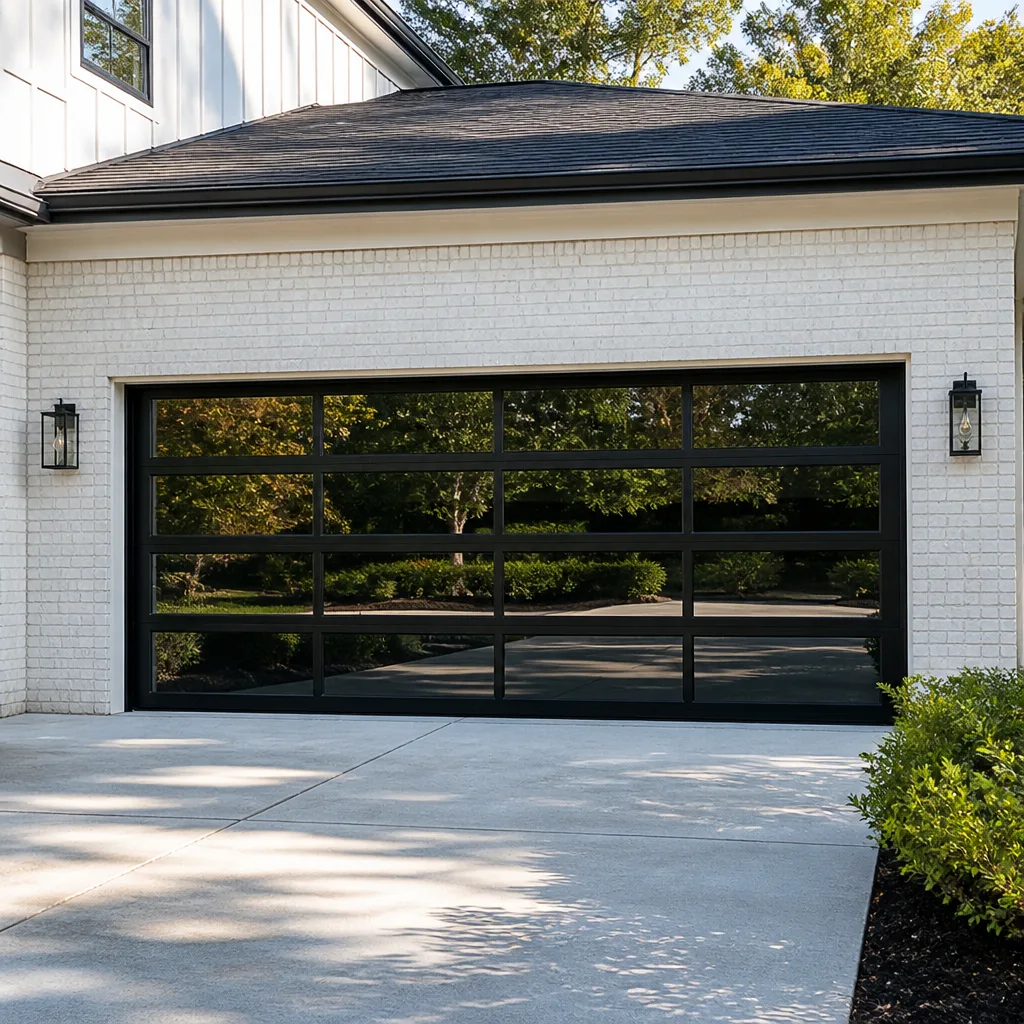 Full-view glass
 LiftMaster openers
 Chamberlain openers
Full 25-point door and opener safety check with every visit - springs, cables, rollers, tracks, and your LiftMaster or Chamberlain opener included
You get a price before we start. It does not change when the pro arrives.
Get your free estimateGarage Door Repair Maintenance Schedule: What to Do and When
The standard advice says “lubricate twice a year.” What it doesn’t say is that applying the wrong lubricant in August humidity actively attracts grit and accelerates wear faster than skipping lubrication entirely. In Alexandria, the calendar most maintenance guides hand you is the wrong calendar. Freeze-thaw cycles in January, humidity spikes in July, and the pollen that coats every roller and hinge track through April do more damage here than the passing of time does anywhere else. A schedule that ignores those forces is just a list of chores. This guide replaces the generic checklist with a timeline calibrated to Alexandria weather. You’ll get the month-by-month sequence, the right lubricant for each component, the force and auto-reverse test most homeowners have never run, lifespan benchmarks for every major part, and the five-minute visual routine that catches most developing problems before they turn into a service call.
Quick Answer
A garage door maintenance schedule should be built around your local climate, not around the calendar year. In Alexandria, that means lubricating rollers, hinges, and springs in early spring and early fall, inspecting tracks and hardware after each January freeze-thaw cycle, and cleaning pollen from moving parts every April. Test the door’s balance and auto-reverse function once a year, and do a five-minute visual inspection monthly to catch wear before it becomes a repair.
Styles & brands we work with
- Raised-panel steel
- Carriage house
- Modern flush
- Full-view glass
- LiftMaster openers
- Chamberlain openers
Table of Contents
- Why Generic “Twice a Year” Advice Fails in Alexandria
- The Alexandria Month-by-Month Maintenance Calendar
- The Right Lubricant for Every Component (and Why WD-40 Doesn’t Qualify)
- How to Run the Force and Auto-Reverse Test
- Component Lifespan Benchmarks and Replacement Timing
- The Five-Minute Visual Inspection
- Opener-Specific Maintenance
- Common Mistakes to Avoid
- When to Call a Professional
Why Generic “Twice a Year” Advice Fails in Alexandria
Maintenance schedules travel badly. A checklist written for Phoenix arrives in Alexandria carrying assumptions that don’t survive the first humid July. The problem isn’t that “lubricate twice a year” is wrong. It’s that “twice a year” is an arbitrary unit. Two cycles of what, exactly? In a climate with four genuine seasons and summer humidity that hangs in the air for weeks, the forces acting on your garage door don’t divide neatly into halves. They divide by weather events.
Here’s what actually stresses a garage door in Alexandria over a single year:
- Freeze-thaw cycles in January and February. Metal contracts and expands as temperatures swing above and below freezing. Hinge screws work loose. Tracks shift a fraction of an inch. Weatherstripping stiffens and cracks at the corners where it flexes most.
- Spring pollen. Fine yellow-green dust coats rollers, hinge pins, and the track channel through April. Mixed with the lubricant you applied in March, it makes a grinding paste that wears surfaces.
- Summer humidity. Moisture condenses on cold steel. Lubricants that aren’t designed for high humidity thin out, run off, and leave surfaces bare just when rust wants a foothold.
- Fall leaf litter and temperature swing. October drops debris into track channels, and the first hard frost re-tightens every loose fastener.
The fix is a maintenance calendar keyed to those events. It’s the same work a generic guide asks for, sequenced so each task lands when it does the most good and the least harm. That’s the schedule we’ll build from here. Whether you’re in Del Ray, Rosemont, or anywhere else in Alexandria, the sequence holds.
The Alexandria Month-by-Month Maintenance Calendar
This is the schedule itself. It’s written as a year of tasks, but you can start at any point in the cycle. The logic is what matters: each task is timed to the weather stress it addresses.
- January – freeze-thaw inspection. Run your five-minute visual check after every hard freeze. Look for backed-out hinge screws, weatherstripping that has cracked or pulled away, and tracks that have shifted. Tighten what’s loose. Don’t lubricate in freezing temperatures; lubricant thickens and won’t distribute.
- February – spring and cable visual check. Look at the torsion springs above the door and the lift cables at the sides. You’re checking for visible gaps, fraying, or sagging, not adjusting anything. These are high-tension components and belong to a trained technician.
- March – full lubrication. Once the worst of the freeze is past, apply the correct lubricant to rollers, hinges, and the torsion spring (see the next section for what to use and what not to). This is also the month to test door balance.
- April – pollen cleanout. Wipe down rollers, hinge pins, and the inside of the track channel to clear accumulated pollen. Reapply a light coat of lubricant where cleaning stripped it.
- May – safety test. Run the force and auto-reverse test now, before summer heat makes the door’s moving parts expand and change behavior. Weatherstripping gets a look here too as temperatures climb.
- June through August – humidity watch. Check monthly for condensation and for lubricant that has thinned and run. Touch up where surfaces have gone dry. Keep the track channel clear of grit with a dry cloth.
- September – fall tune-up. Clean and lubricate again as humidity breaks. Check the door’s balance and listen for new noises during operation. Tighten hardware that loosened over the summer.
- October – leaf and debris sweep. Clear leaf litter from track channels and the area around the door’s bottom seal. Check that the weatherstripping hasn’t hardened or torn heading into cold weather.
- November – pre-winter check. Confirm that all hardware is snug before the first freeze. Test the auto-reverse function one more time. This is also the month to look at the door’s bottom seal and side seals for gaps.
- December – free preparation. Repeat the January freeze-thaw inspection pattern as temperatures drop. If your opener is older, note any change in how it sounds or how smoothly the door travels; cold weather exposes weaknesses.
Some homeowners run this whole sequence. Others find they only need the March and September lubrication with monthly visual checks between. Both are reasonable. What isn’t reasonable is ignoring the January freeze and the April pollen, because those two events do more cumulative damage in Alexandria than any other part of the year.
The Right Lubricant for Every Component (and Why WD-40 Doesn’t Qualify)
WD-40 is a solvent and water displacer, not a lubricant. It thins and removes existing lubrication, evaporates within days, and leaves moving metal surfaces bare. On a garage door in Alexandria’s humid summers, that means rollers and hinge pins go from protected to exposed in about a week, right when the air is wettest. It’s the wrong product for every part of a garage door. Here is the right one for each component.
- Rollers (steel): White lithium grease or a silicone-based garage door lubricant. Apply a light coat at the roller stem where it meets the hinge and at the shaft, not on the track surface the roller rides.
- Rollers (nylon): Nylon rollers rarely need lubrication. A dry silicone spray on the shaft is enough. Grease on a nylon roller just collects grit.
- Hinges and hinge pins: White lithium grease or a spray lubricant formulated for metal-on-metal contact. Apply at each pivot point. Wipe away excess so dust doesn’t cling.
- Torsion springs and extension springs: A light coat of garage door lubricant reduces friction and helps slow rust. Use it sparingly; heavy grease traps dirt in the coils. Never adjust spring tension yourself; that’s a job for a trained technician.
- Tracks: No lubricant at all. Tracks should be wiped clean and dry. Grease in a track channel becomes a grit magnet, and gritty tracks are a leading cause of rough door travel.
- Weatherstripping: A silicone treatment keeps rubber seals from drying and cracking, especially heading into winter.
One habit worth building: read the label before you buy. A product labeled for metal-to-metal contact that stays in place under humidity is what you want. A thin penetrating spray that mostly evaporates is not. If you’re ever unsure which lubricant fits your specific door hardware, that’s a question worth asking a technician who works with your brand. We’ve seen doors wearing through rollers in eighteen months, not because the owner skipped maintenance, but because they applied the wrong product at the wrong time of year.
Brand familiarity matters here too. Roller and track assemblies on a Clopay or Amarr door may respond differently than on a Wayne Dalton model, and the tension spring on a Genie-driven system has its own profile. Knowing your equipment is part of knowing what maintenance it needs. When a door’s hardware ages and parts need replacing, the repair side of our work connects to the same expertise: see garage door repair for how we handle worn and failed components.
How to Run the Force and Auto-Reverse Test
The auto-reverse test checks whether your door will stop and reverse when it meets an obstacle while closing. It’s the safety feature that keeps a closing door from trapping a person, pet, or object, and it’s the test most homeowners have never run. A failure here is a genuine safety concern, not a minor maintenance note. Run this test at least once a year, and any time you notice the door behaving differently.
Before you start, clear the doorway. Nothing should be in the door’s path, and no one should stand under a moving door.
- Test the balance first. Disconnect the opener using the manual release cord (pull it only when the door is fully closed). Lift the door by hand to about halfway. It should stay put. If it drifts down on its own, the springs are out of balance, and the door needs a technician before you run the force test.
- Reconnect the opener and close the door. Confirm it operates normally before testing anything else.
- The contact test. Place a solid object, like a 2×4 block of wood laid flat, in the door’s path on the ground. Close the door using the control. The door should contact the object and reverse direction to open. If it stalls and presses down instead, stop and call a technician; the safety system needs attention.
- The non-contact test (doors with safety sensors). Most modern openers have a pair of photo-eye sensors near the floor on either side of the door. With the door open, pass an object through the sensor beam while you close the door. The door should reverse. If it doesn’t, check that the sensors are aligned and that the lens is clean before assuming a failure.
- The force test. Most openers should reverse when they meet an obstruction equivalent to about 15 to 20 pounds of resistance. In practice, if the door reverses cleanly under the contact test, the force setting is usually fine. If it doesn’t reverse, don’t adjust the force setting without professional guidance; a force setting that lets the door push through resistance is a safety failure, not a convenience adjustment.
If any part of this test fails, the door should not be used until a technician has looked at it. Do the balance test first every time, because an out-of-balance door can give false results on the other tests. Spring tension, cable tension, and the opener’s force settings are high-risk adjustments and belong to a trained technician. For the electronic side of that work, our garage door opener repair team runs these tests as part of a routine service call and can tell you whether the problem lives in the opener or in the door itself.
Component Lifespan Benchmarks and Replacement Timing
Knowing roughly how long each component lasts lets you plan for a replacement instead of absorbing it as an emergency. These are typical ranges for a well-maintained residential door in Alexandria’s climate. They’re estimates, and actual life depends on cycle count, door weight, and whether maintenance has kept up.
- Torsion springs: Roughly 7 to 10 years of average use, though a door with high daily cycle count (a household that uses the door many times a day) can wear springs faster. A pair usually lasts as long as its partner, so replace in matched pairs.
- Extension springs: Roughly 10 to 15 years, and they should have safety containment cables installed as a backup against failure.
- Steel rollers: Roughly 5 to 7 years before the bearings go rough. Nylon rollers last considerably longer.
- Hinges: Roughly 10 to 15 years with regular lubrication.
- Lift cables: Roughly 10 years, though visual checks should start far earlier.
- Weatherstripping: Roughly 4 to 6 years, and often sooner in a climate that swings from humid summers to below-freezing winters.
- Openers: Roughly 10 to 15 years of service before replacement makes more sense than repair.
The reason to think about this now is that spring and cable failures are the most common emergency service calls we see. Springs don’t usually give warning beyond a heavier-feeling door or a noise that’s new. Cables that fray are visible in the inspection. Tracking the age of your components lets you replace a spring on a scheduled visit instead of on a Tuesday morning when the door won’t open. A written estimate on a scheduled repair is also a much easier number to work with than an unexpected one.
There’s a choice worth naming here: repair or replace. On many aged doors, a single component failure is worth repairing; the door itself is fine. On a door with multiple aging parts and a tired opener, replacement can be the more economical direction. Our Paragon Garage Door Repair team diagnoses the whole system, door and opener together, so the recommendation follows your equipment rather than convenience. If your door is a Clopay or Amarr panel system with intact hardware, a hardware refresh often gets you years more use.
The Five-Minute Visual Inspection
Most developing problems announce themselves before they become a repair job. A five-minute visual walkthrough once a month catches the majority of them. You don’t need tools for most of it. Stand in your garage with the door closed and go through these checks.
- The door surface: Any dent, crack, or split in a panel? Panel damage can affect how the door travels in its track.
- The weatherstripping: Run your hand along the bottom seal and the side seals. Cracks, gaps, or sections that have pulled away mean it’s time to replace. This matters more going into winter.
- The hinges: Look at each hinge and its screws. Backed-out or rusty screws are common after a cold snap.
- The rollers: Any roller that looks cracked, chipped, or has a flat spot needs replacing. Rollers should be round and seated in their brackets.
- The springs: Torsion springs above the door: look for visible gaps in the coil. Extension springs at the sides: look for stretched or sagging coils. You’re looking, not touching.
- The cables: Any fraying, kinks, or slack in the lift cables? Fraying is a clear warning sign.
- The tracks: Tracks should be even, with no bends or dents. Clear any leaves or debris from the channels.
- The opener and its hardware: Any obvious loosening where the opener mounts to the ceiling, and any wear on the rail and trolley.
Then run the door once, listening as it moves. Noise that’s new is information. A grinding or scraping sound in the track, a thumping at the top of the travel, or a door that moves unevenly are all early signals. Catching them now, with a soft nudge toward getting them looked at, is cheaper than catching them at failure.
One local note: if your monthly inspection falls in the middle of a January freeze, give the door a few extra seconds before you move it. Cold rubber seals and stiff lubricant change the door’s feel for a week or two. That’s normal. What isn’t normal is a door that grinds or sticks the same way every use for a month.
Opener-Specific Maintenance
The opener is where a lot of small maintenance tasks collect. It’s also where an aging unit usually gives its first hints. Here’s what to check monthly and annually.
- Check the safety sensors monthly. Clean the lens, confirm the indicator lights, and confirm the beam isn’t blocked. The sensor test is part of the annual auto-reverse check.
- Listen to the motor. A quiet, smooth hum is normal. A grinding, rattling, or clicking sound from the motor housing can indicate wear in the gears or a failing component. Don’t ignore it.
- Check the belt or chain tension once a year. A belt that’s too loose will slip and sag; a chain that’s too tight can strain the motor. If you’re not sure, have a technician check it.
- Battery backup. If your opener has a battery backup, test it annually. Most units recommend a battery replacement every few years.
- Remote and wall control batteries. A remote that works intermittently or only at close range usually needs a battery, not a new opener. Test with a fresh battery before assuming the worst.
- Home connectivity. If you use a smart-home connection through a LiftMaster or Chamberlain system, confirm the app still reports door status correctly after firmware updates.
The opener and the door are one system. A door that’s out of balance wears out an opener’s motor faster; a failing opener can mask a door problem. When both are in play, our technicians check the mechanical and electrical sides together, which is the difference between diagnosing the real problem and replacing a part that wasn’t the problem. Our technicians have up to 12 years of experience working on opener systems and door hardware as a combined unit, on the Genie, Chamberlain, and LiftMaster lines alongside door brands like Clopay, Amarr, Wayne Dalton, and Raynor.
Common Mistakes to Avoid
- Lubricating on a calendar instead of a schedule. Applying the “twice a year” rule without accounting for Alexandria’s freeze-thaw and pollen cycles means you lubricate at the wrong time. In a humid July, fresh grease collects grit; in January, it thickens and won’t flow. Time your work to the weather.
- Using WD-40 on moving parts. It thins existing lubricant and evaporates, leaving surfaces bare. On doors in Alexandria’s humid summers, this accelerates wear. Use a lubricant actually designed for garage door metal-to-metal contact.
- Greasing the tracks. A greased track channel collects dust and grit and roughens the door’s travel. Tracks should be clean and dry.
- Skipping the auto-reverse test. This is a safety system, and failing it is not a minor issue. Test annually. If the door doesn’t reverse, don’t keep using it until a technician looks at it.
- Adjusting spring tension yourself. Springs are under high tension and carry serious injury risk. Don’t try to adjust or replace them. Schedule a technician for spring work.
- Ignoring the January noise. The creak and clatter after a hard freeze that never quite goes away is usually hardware that loosened and never got re-tightened. Check in January and again in February rather than waiting for a spring service visit.
- Living with a slow-drifting door. A door that doesn’t stay at halfway when lifted by hand is out of balance. This puts extra load on the opener and shortens its life. Get it rebalanced rather than replacing the opener first.
When to Call a Professional
Some maintenance is yours to do. Some belongs to a trained technician. Call a professional if you find any of these: a torsion or extension spring with a visible gap or a stretched coil; a cable that’s frayed, kinked, or slack; a door that won’t stay balanced when lifted by hand; a failed auto-reverse or force test; a door that grinds, sticks, or travels unevenly after hardware has been tightened; a motor that’s making new noises; or anything involving spring tension, cable adjustment, or electrical work at the opener. Those parts and those adjustments carry real injury risk, and getting them right the first time is the point.
Paragon Garage Door Repair offers free estimates in Alexandria. If your inspection turns up something you’re unsure about, call (866) 812-5587. We answer 24/7. Fast dispatch from 7am to 7pm, Sunday through Friday. We work across eight major brands and cover both the opener and the door, so the diagnosis matches what’s actually in your garage.
See the difference
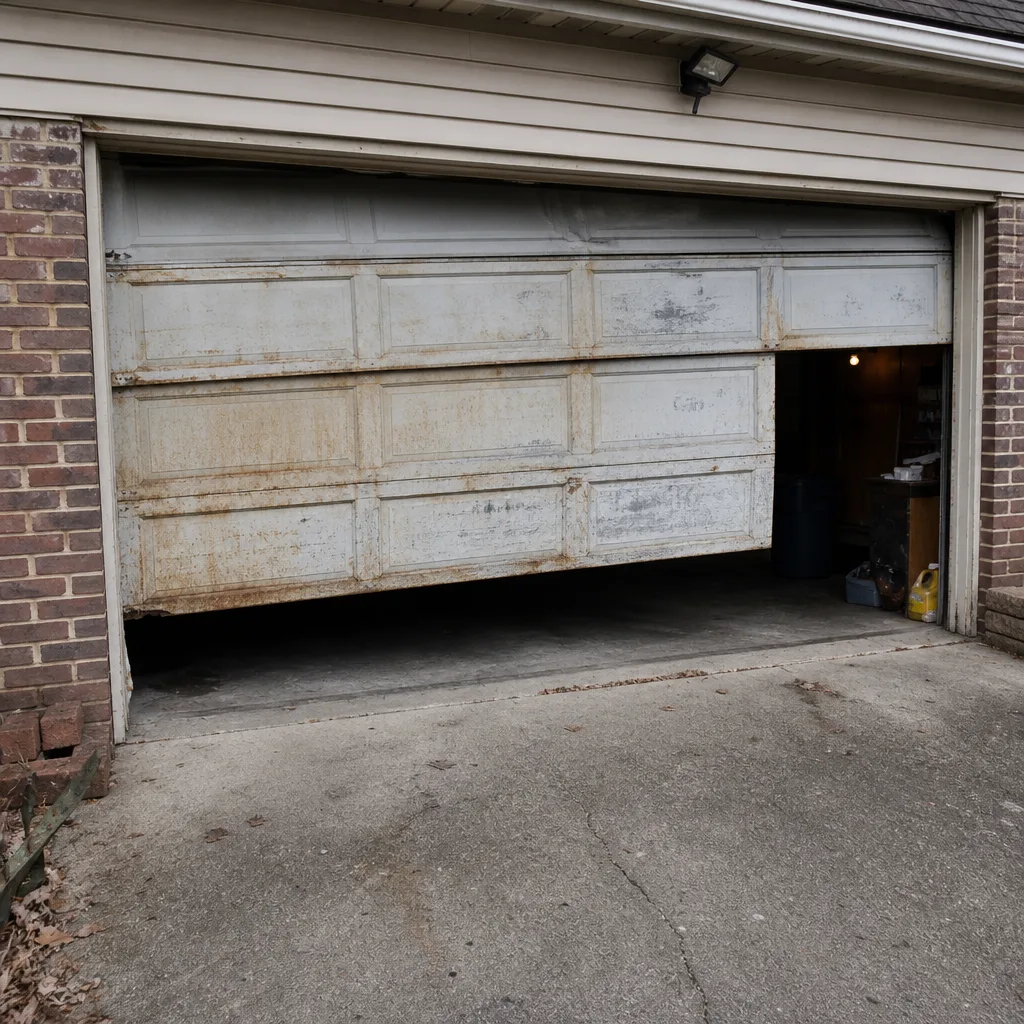 Before
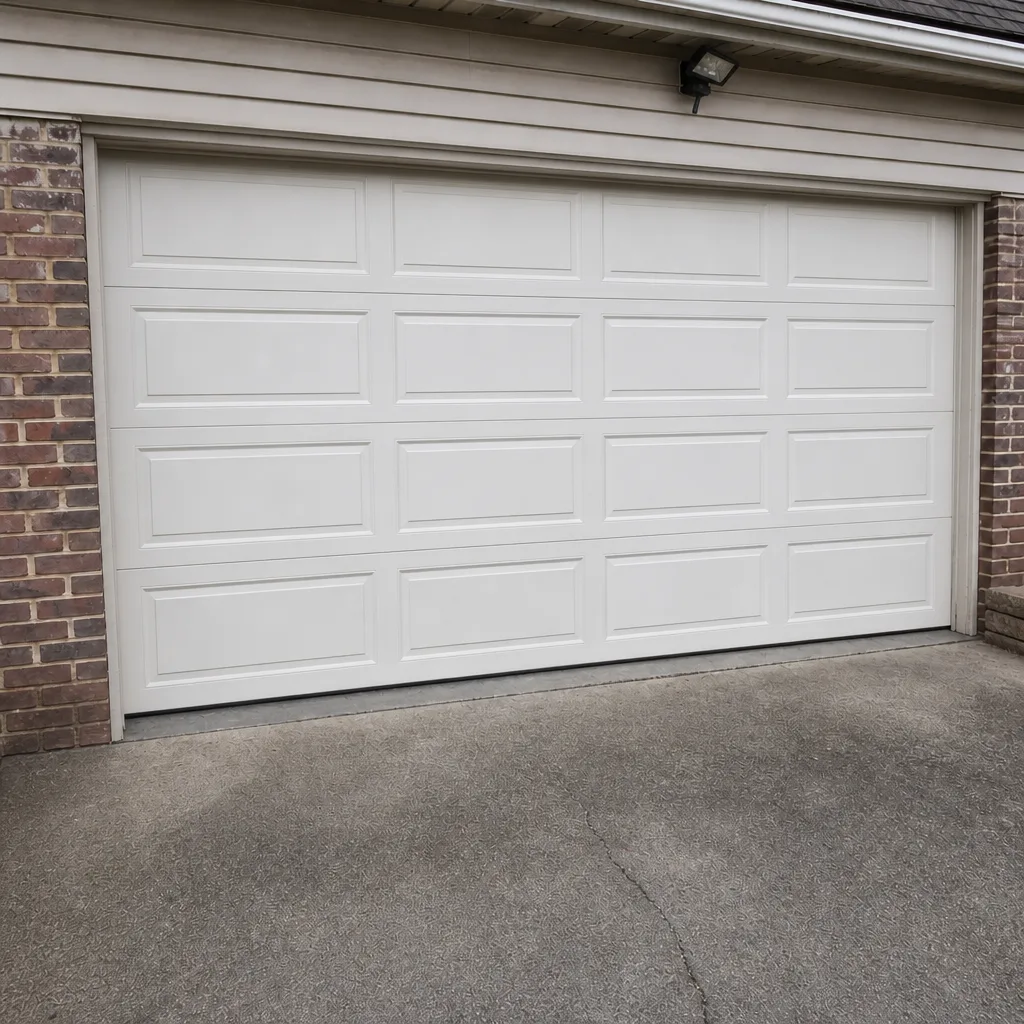 After
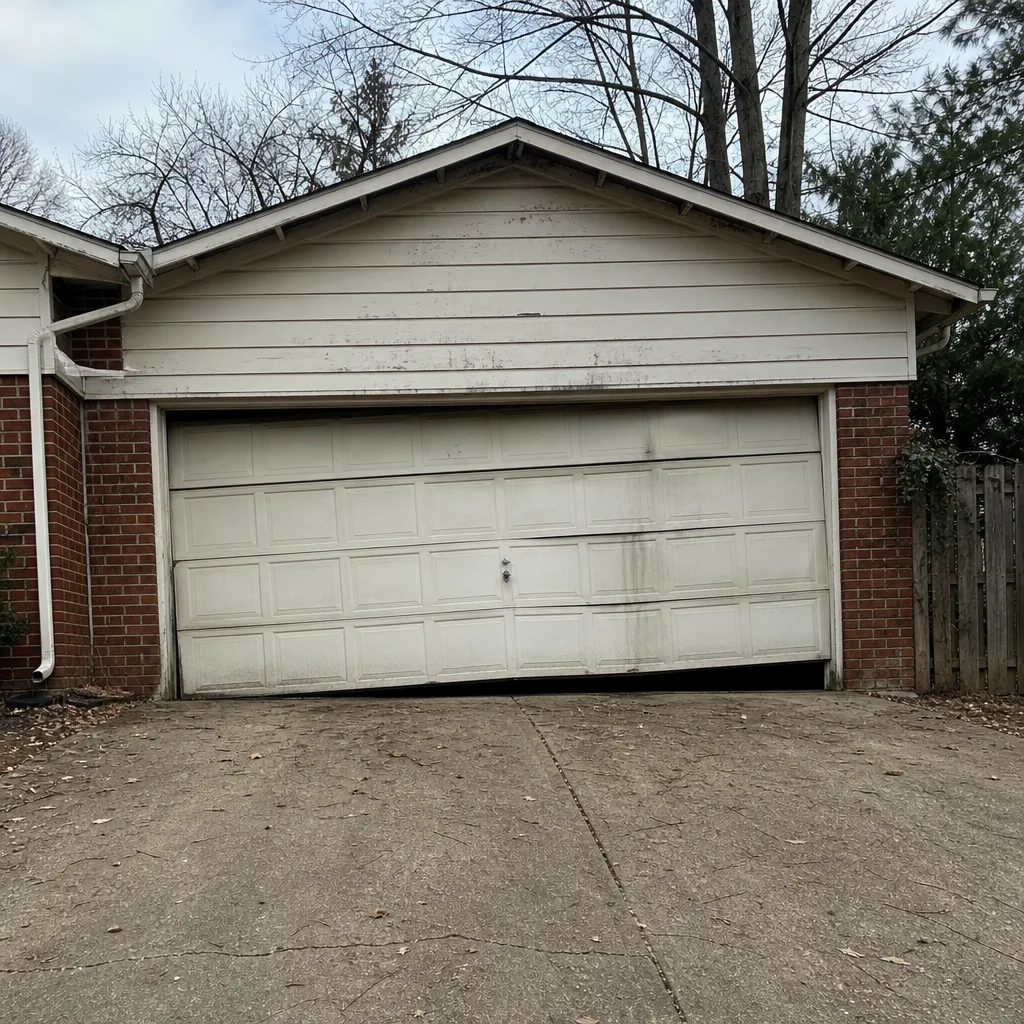 Before
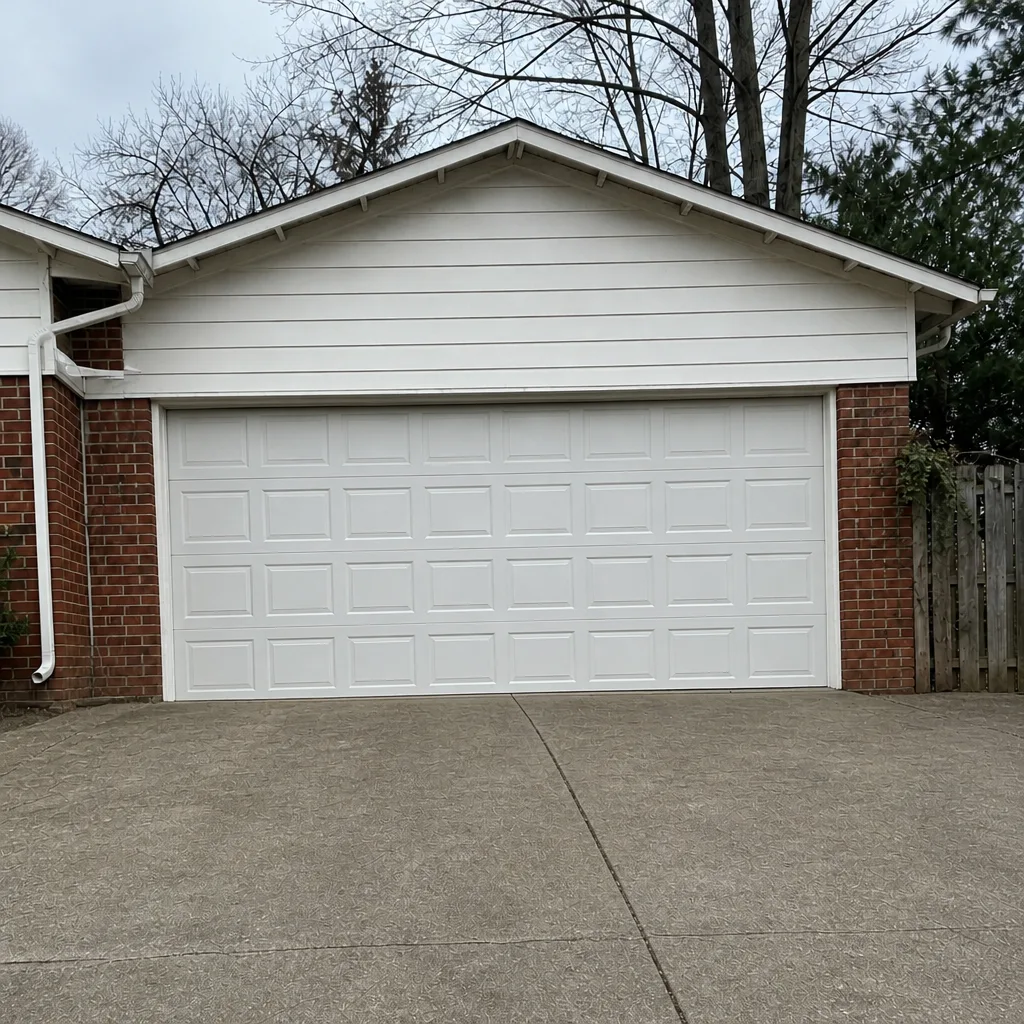 After
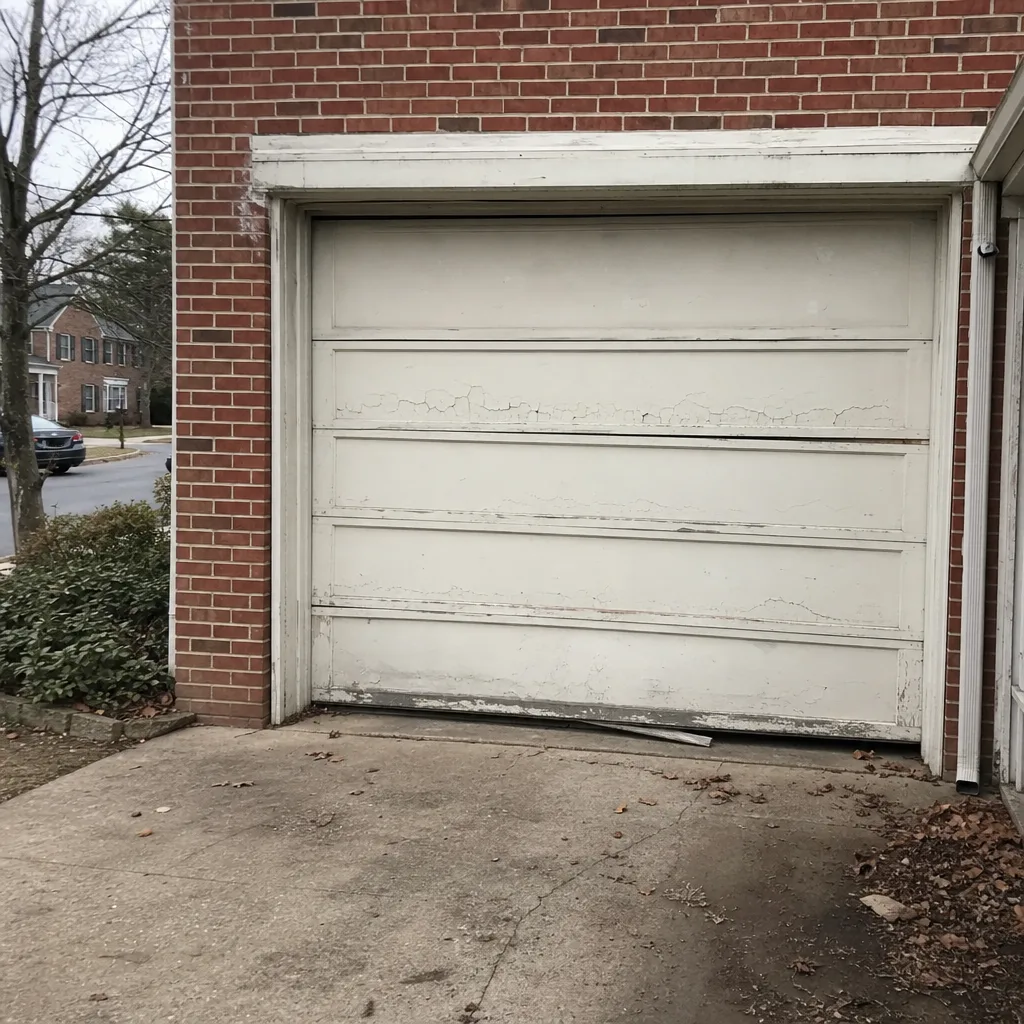 Before
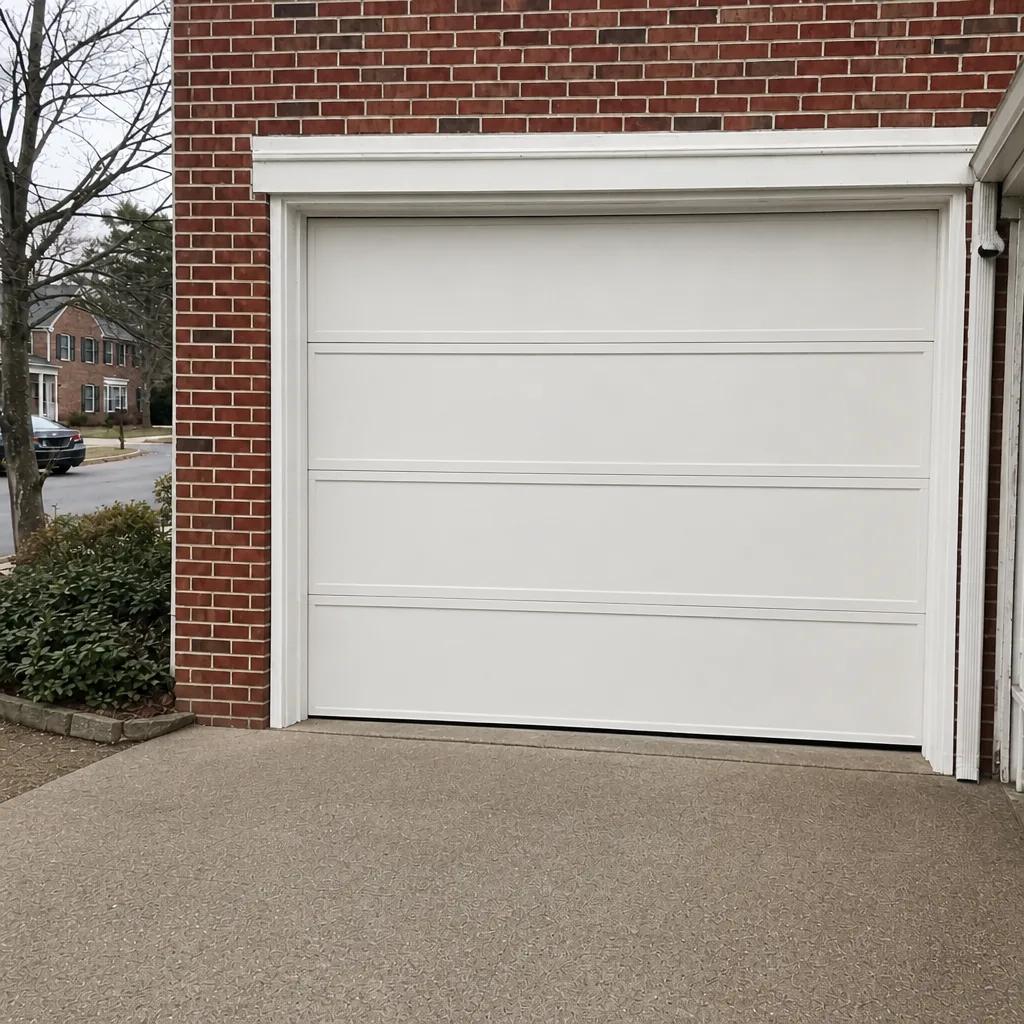 After
Frequently Asked Questions
Twice a year is the standard, but the timing matters as much as the frequency. In Alexandria, lubricate in March after the freeze-thaw season and again in September as humidity breaks. Clean pollen from moving parts in April and check for thinning lubricant in July and August. If your door gets heavy daily use, a third touch-up in summer is reasonable.
No. WD-40 is a water displacer and solvent, not a lubricant, and it thins existing lubrication and evaporates within days. Use white lithium grease or a dedicated garage door lubricant on hinges, rollers, and springs, and leave the tracks dry and clean. If you’ve been using WD-40 on your door in Alexandria’s humid summers, switch to the right product at the next maintenance cycle.
The auto-reverse test checks whether your door stops and reverses when it meets an obstacle while closing. Place a solid object like a 2×4 in the door’s path, close the door, and confirm it reverses. If you have safety sensors, pass an object through the beam while closing. If the door doesn’t reverse, don’t use it until a technician checks the safety system. Call (866) 812-5587 for a free estimate.
Torsion springs typically last 7 to 10 years, and extension springs 10 to 15 years, depending on daily cycle count and whether maintenance has kept up. Springs often fail without much warning beyond a heavier door or a new noise. Replacing matched springs as a pair is the usual approach. Call (866) 812-5587 to have yours checked.
You can safely handle lubrication, visual inspection, and the annual balance and auto-reverse tests. Anything involving spring tension, cable adjustment, or electrical work at the opener belongs to a trained technician, because those components are under high tension and involve real injury risk. If your inspection turns up a problem in those areas, stop and call.
Consistent maintenance extends the life of the door and every component on it, but it doesn’t make parts permanent. Springs, rollers, and openers wear out on predictable timelines. A well-maintained door in Alexandria often needs a hardware refresh rather than a full replacement. We can tell you which you’re facing at an estimate; call (866) 812-5587.
The Bottom Line
A garage door maintenance schedule works when it’s timed to your local weather, not to the calendar alone. In Alexandria, that means lubricating in March and September with the right product, inspecting after each January freeze, clearing pollen in April, and watching for humidity-related wear in July and August. Run the auto-reverse test annually, do the five-minute visual check monthly, and track your components against their typical lifespans so you plan repairs instead of reacting to them. The parts that need a technician, springs and cables above all, should stay with a technician. Everything else you can do yourself. If you want a professional look at your door this season, call (866) 812-5587 for a free estimate.
Written by the team at Paragon Garage Door Repair.