
Last updated November 16, 2026
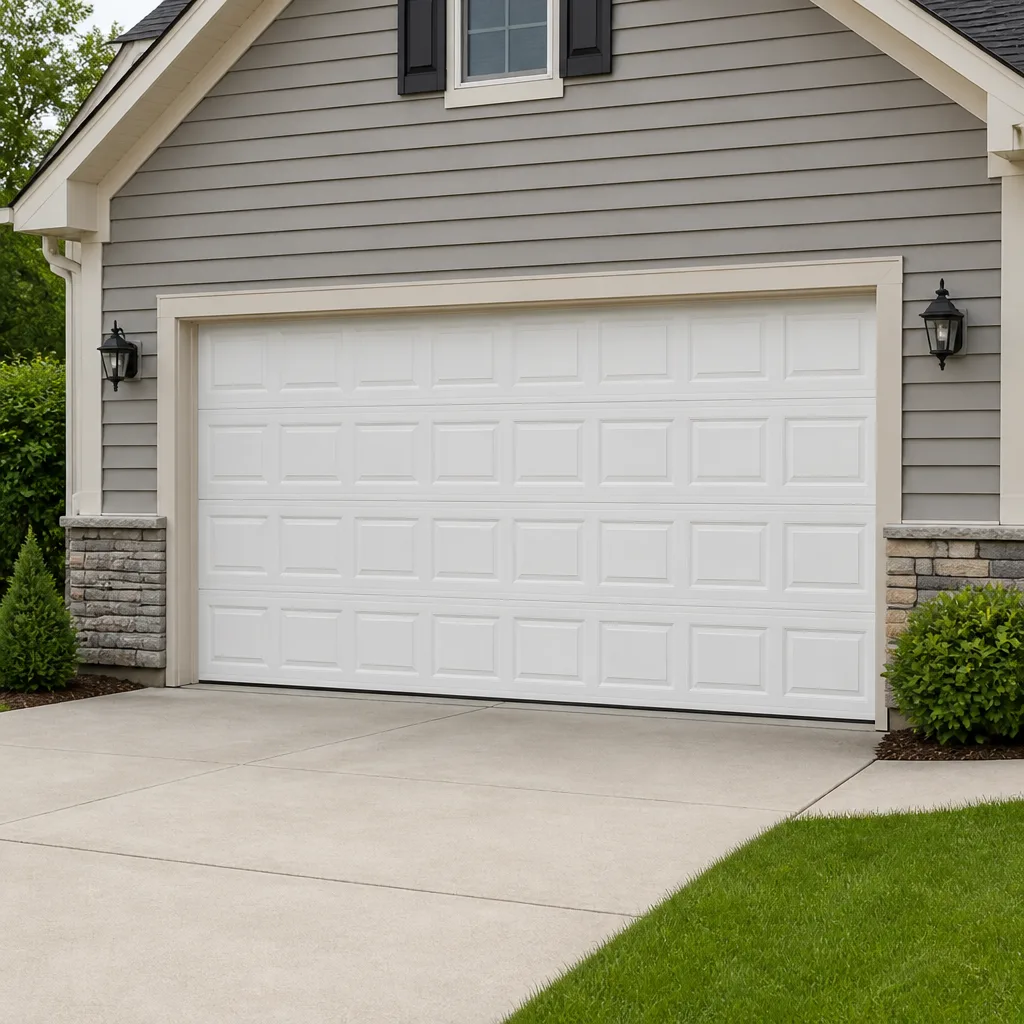 Raised-panel steel
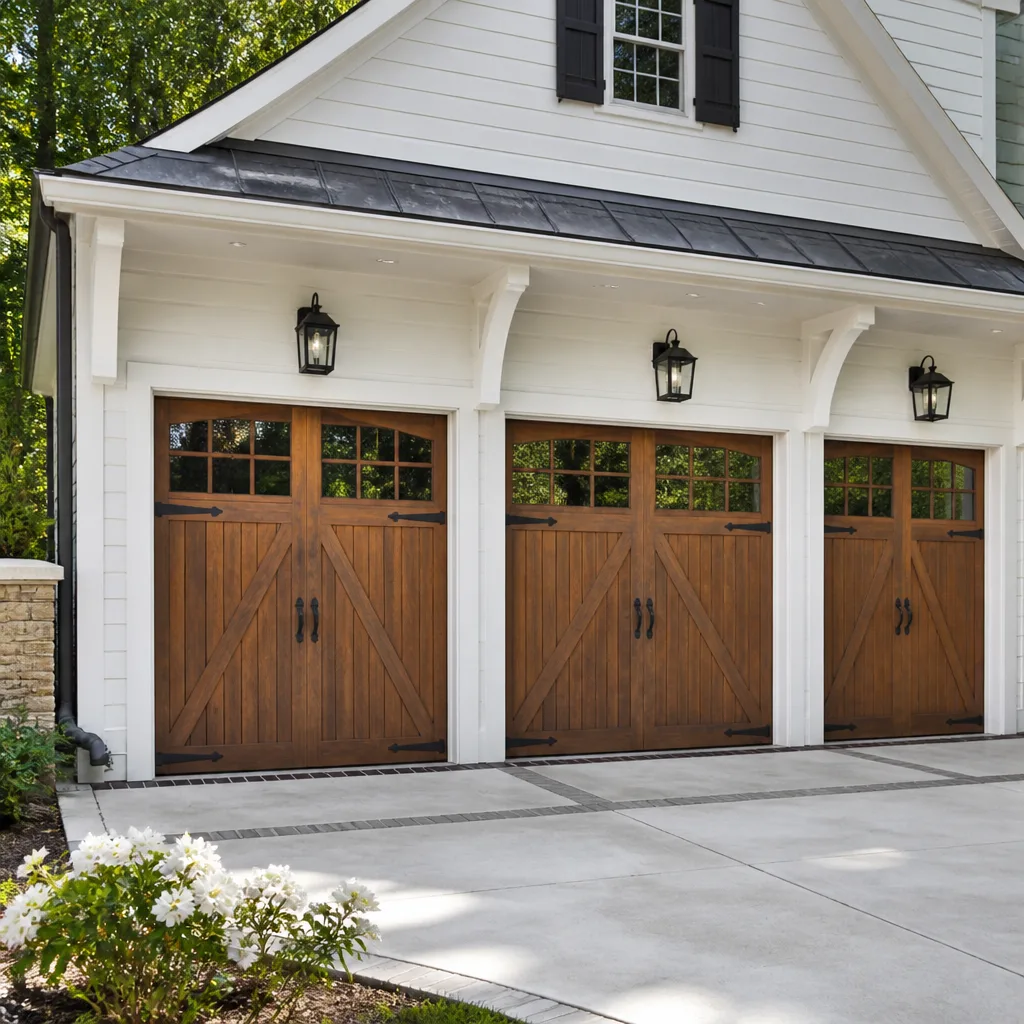 Carriage house
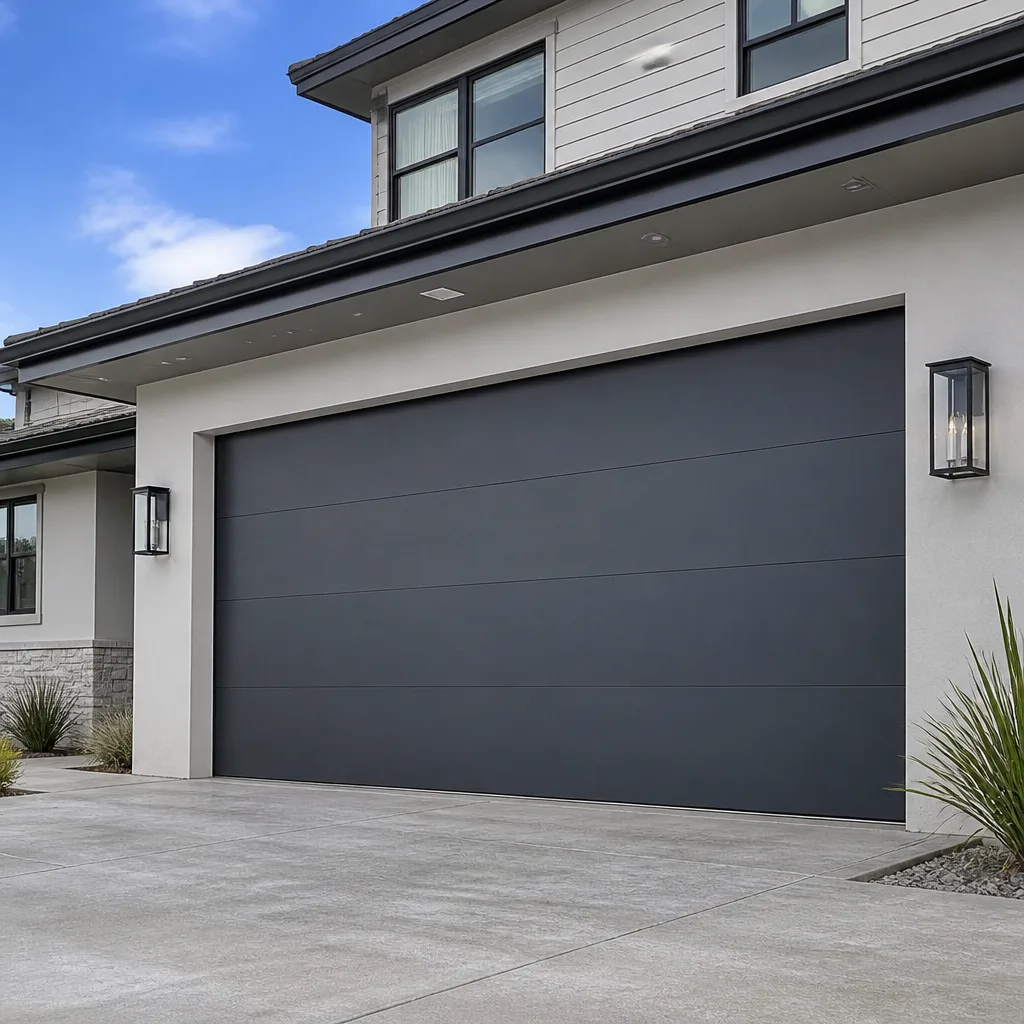 Modern flush
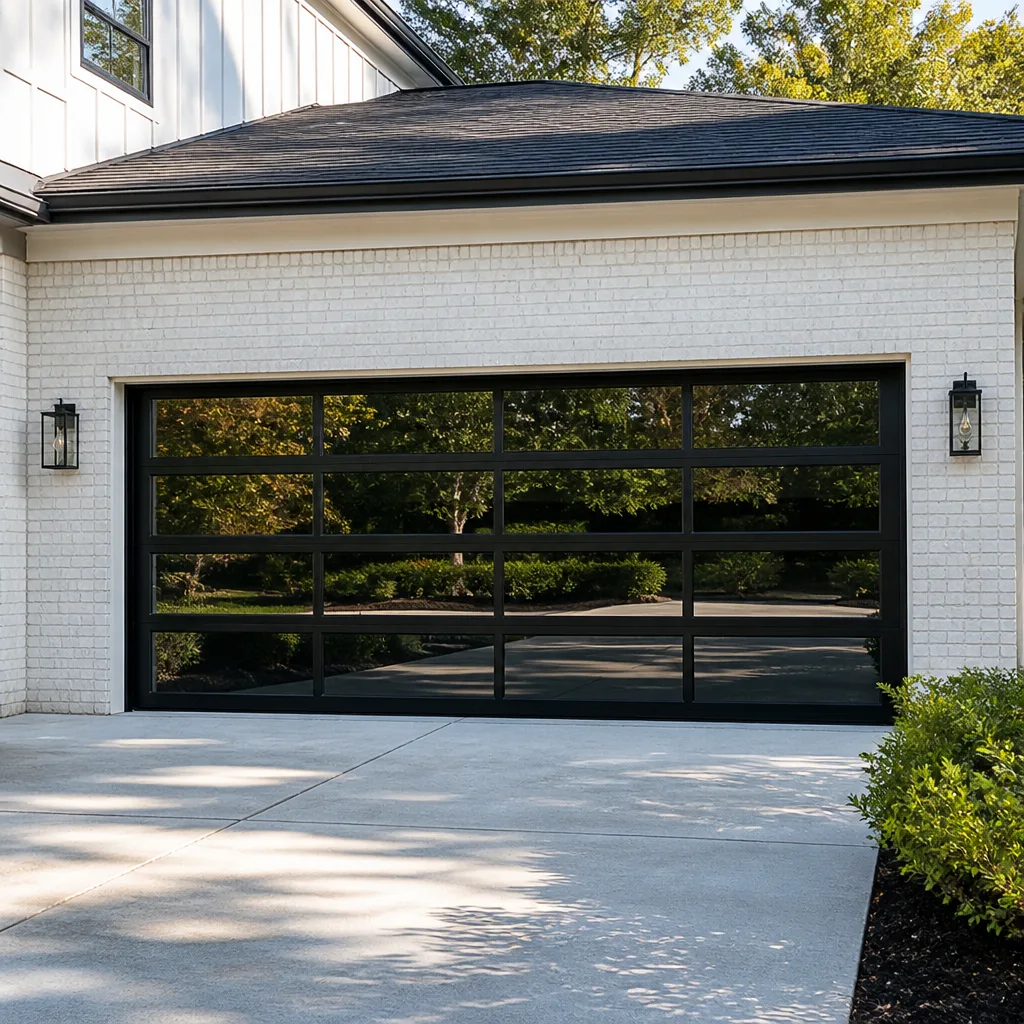 Full-view glass
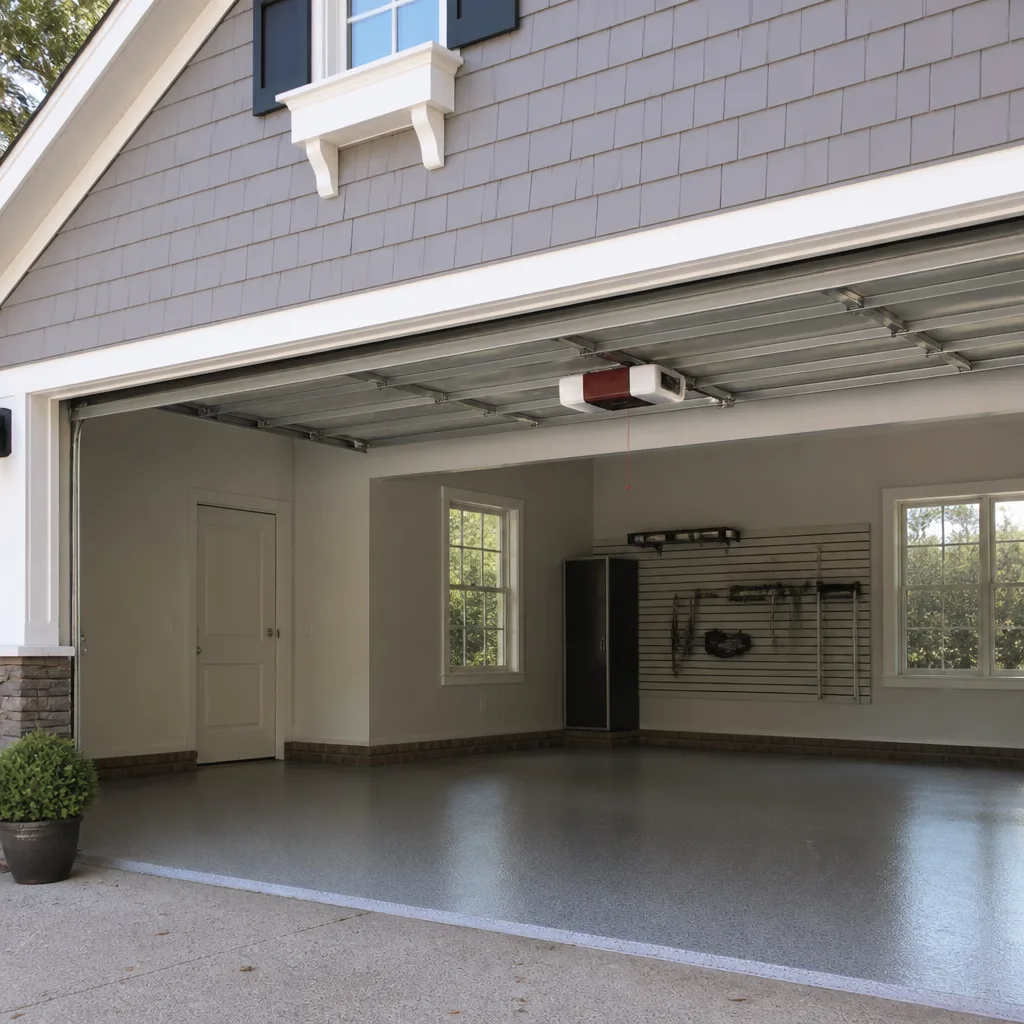 LiftMaster openers
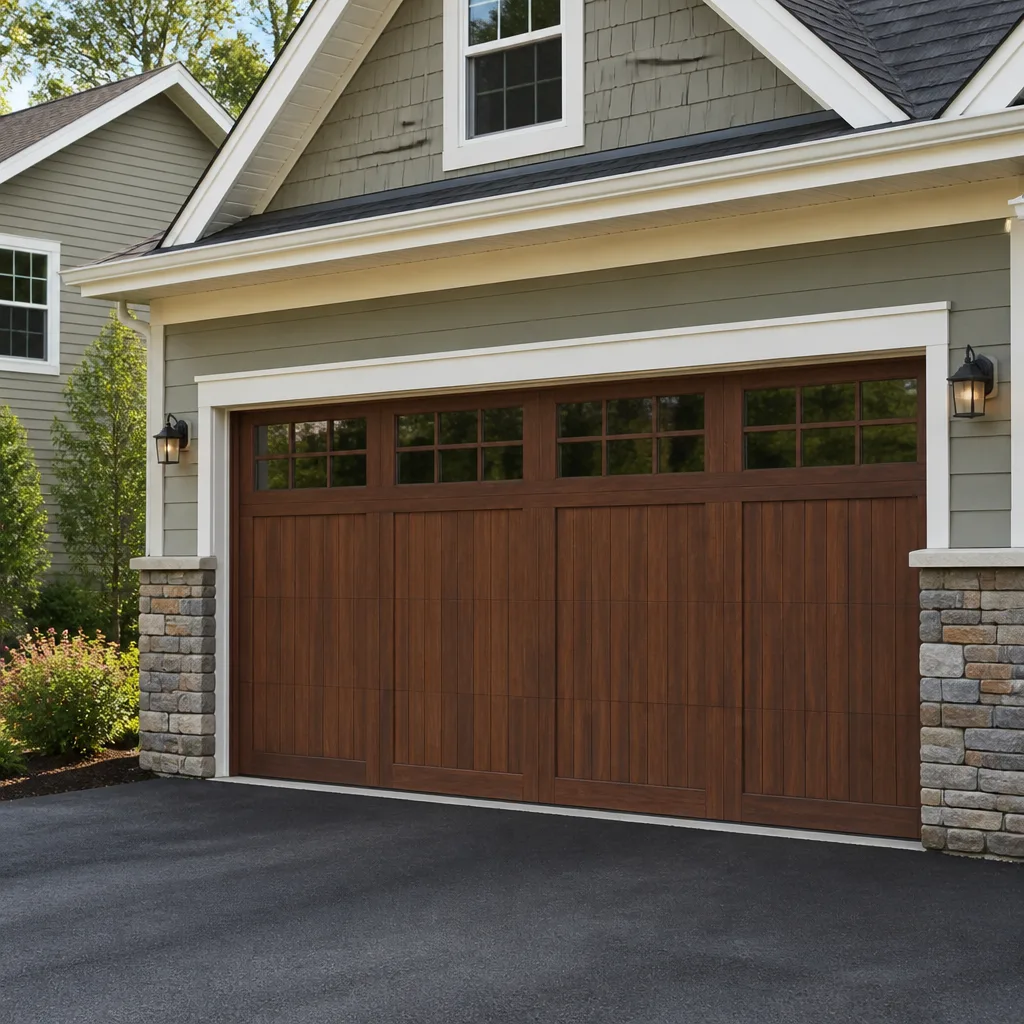 Chamberlain openers
Full 25-point door and opener safety check with every visit - springs, cables, rollers, tracks, and your LiftMaster or Chamberlain opener included
You get a price before we start. It does not change when the pro arrives.
Get your free estimateThe Complete Guide to Garage Doors in Alexandria
Most Alexandria homeowners discover the constraints on their garage door after they’ve already picked one. The HOA design review comes back with a rejection. The rough opening in a Del Ray bungalow turns out to be a half-inch off standard. The alley-load garage in Old Town doesn’t have the headroom for a door the installer assumed would fit. Garage doors in Alexandria aren’t a commodity purchase, because the homes here aren’t a single housing type. You have eighteenth-century rowhouses, 1940s Cape Cods, and new HOA communities within a few miles of each other, and each one puts different demands on size, material, and clearance. This guide covers how to read your opening, what triggers design review, why openers and doors bought separately create headaches, and which materials actually hold up to Northern Virginia’s humidity and freeze-thaw cycles. It’s written for someone who wants to get this right once.
Quick Answer
Garage door work in Alexandria comes down to three variables specific to your property: the exact dimensions of your rough opening, whether your neighborhood or HOA imposes design review on the door’s appearance, and whether the structural limits of your garage (headroom, side room, ceiling height) restrict which opener or door type will physically fit. Get those three answers before you shop, and the decision becomes straightforward. Skip them, and you’ll likely be reordering a door or arguing with an architectural review board.
Styles & brands we work with
- Raised-panel steel
- Carriage house
- Modern flush
- Full-view glass
- LiftMaster openers
- Chamberlain openers
Table of Contents
- How Alexandria’s Housing Stock Shapes Your Door Options
- HOA and Architectural Review Rules in Alexandria
- The Opener-Door Compatibility Problem
- How to Read a Rough Opening in an Older Alexandria Home
- Which Door Materials Hold Up in Northern Virginia
- Repair or Replace?
- What Garage Door Work Costs in Alexandria
- Keeping Your Door Working Through the Seasons
How Alexandria’s Housing Stock Shapes Your Door Options
Alexandria’s neighborhoods developed in distinct waves, and each wave built garages differently. That’s the single biggest reason a door that fits one home won’t fit another three blocks away.
Old Town and Historic Rowhouses
In Old Town, detached garages are often original carriage houses or later additions squeezed into rear lots. Many are accessed from an alley, and the clearance there matters: a low overhead obstruction at the alley entrance can limit how far a door can swing up or tilt out. Door widths are commonly non-standard. If you’re replacing a door on a historic property, expect to measure twice and consider a custom-size door rather than forcing a stock size into an opening that was never built to one.
Del Ray and Rosemont Bungalows
Del Ray’s early-twentieth-century bungalows and the postwar Capes around Rosemont typically have single-car detached or attached garages. These homes have often been through additions and renovations, and the garage framing may have been modified along the way. A rough opening that measured seven feet wide when the house was built can be six foot ten now if the frame has settled or someone sistered a board onto the jamb. This is where a measurement taken by someone who does this for a living matters more than a tape measure and good intentions.
West End and Newer HOA Communities
The West End and newer developments west of the city tend to have two-car attached garages built to more standard dimensions. The complication there isn’t size, it’s appearance. These communities frequently have design guidelines that specify door style, panel configuration, and color. You may have more physical room to work with and less visual freedom.
HOA and Architectural Review Rules in Alexandria
Design review is the most common reason a garage door replacement stalls in Alexandria, and it’s almost always a surprise. Old Town and other historic districts may fall under architectural review, and many newer subdivisions have their own architectural review boards (ARBs) or design committees written into the covenants. The rules typically govern what the door looks like, not how it works: panel style (raised or recessed), window placement, color, and sometimes material.
Before you order a door, take these steps:
- Find out which rules apply to you. Check your HOA documents for a design-review clause, and check with the city’s building department about whether your property falls in a historic district with its own review requirements.
- Request the current guidelines in writing. Guidelines change. Ask for the version currently in force rather than relying on what a neighbor was approved for three years ago.
- Submit before you buy. Architectural review usually requires an application, photos, and a product spec sheet or color sample. Get approval first; a non-refundable custom door you can’t install is an expensive mistake.
- Keep the approval. If you sell, having the approved design on record saves the next owner a headache and saves you questions during a sale.
Ask your city’s building department and your HOA directly what applies to your address. The answer is property-specific, and no generic guide can substitute for it. What we can tell you is that ARB timelines vary widely, so build that wait into your project schedule rather than ordering a door and hoping the approval clears in time.
The Opener-Door Compatibility Problem
Buying the door from one company and the opener from another, or installing them at different times in the same project, is the most reliable way to create integration problems. The door and the opener are one mechanical system: the opener’s lifting force has to be matched to the door’s weight, and its travel limits have to be set to the door’s exact open and closed positions. When they’re specified separately, nobody owns that match.
This is why we handle openers and doors together. Our technicians are fluent in LiftMaster, Chamberlain, and Genie openers and in Clopay, Amarr, Wayne Dalton, and Raynor doors, and they diagnose whether a problem lives in the door, the opener, or the interplay between them. That matters in a case like this: a door that reverses before it closes may be a misadjusted travel limit on the opener, a binding track on the door, or a safety sensor issue. If two companies installed the two halves, each one blames the other and you’re the one stuck in the middle.
What Compatibility Actually Involves
- Lifting force and door weight. A heavier insulated door needs an opener rated to move it. An opener sized for a light door will strain, run hot, and wear out early.
- Travel limits and force settings. These are set to the specific door. Swap one without resetting them and you get reversing doors, short travel, or a door that slams.
- Safety reversal and photo-eye sensors. The opener’s safety system has to work with the door’s motion, and the sensors have to be mounted clear of the door’s path.
- Headroom and mounting. A door that needs more overhead clearance can rule out certain opener types or mounting positions entirely.
If you’re doing both at once, have one company specify both. If you already have a mismatched setup and something is misbehaving, that’s a garage door opener repair diagnostic rather than a parts-swap, because the first job is figuring out which half of the system is causing the problem.
How to Read a Rough Opening in an Older Alexandria Home
A rough opening is the framed hole in the wall the door sits in, measured between the framing members, not between the finished trim. In an older Alexandria home, frames settle, additions move walls, and previous owners modify openings. That means the number you measure today may not match any standard door spec, and that’s normal rather than a problem. The goal is to know exactly what you have.
What to Measure
- Width between the inside faces of the side framing, at the top, middle, and bottom. If those three numbers differ, the frame is out of square and the narrowest measurement is what matters.
- Height from the garage floor to the bottom of the header, on both sides. Floors slope; measure at both jambs and use the smaller number.
- Headroom from the top of the door opening to the lowest obstruction overhead, such as a beam, duct, or the garage ceiling.
- Side room from the edge of the opening to the nearest wall. Some door types need space on the sides; others don’t.
- Backroom how far back into the garage the door can travel if it’s a sectional.
Two things trip people up here. First, a settled frame makes an opening trapezoidal rather than rectangular, and a professional measurement accounts for that in the door and hardware selection. Second, in older homes the original garage door may have been a single-panel tilt-up door, and the framing may not be set up the way a sectional door expects. Knowing which type your opening was built for tells you what’s realistic to install now.
Getting the measurement wrong costs weeks and possibly a custom order. A technician with up to 12 years of experience in and around Alexandria is the right person to read that opening, because the local housing stock is exactly what makes each one different.
Which Door Materials Hold Up in Northern Virginia
Northern Virginia’s climate tests doors in two directions. Summers bring high humidity and heat. Winters bring freeze-thaw cycles, where moisture gets into a material, freezes, expands, and then thaws. The materials that market best are not always the materials that survive that cycle here.
- Steel. Holds up well to this climate, resists moisture, and takes paint well. The failure mode is rust at the bottom edge where water sits, so look for a door with a treated or sealed bottom section and good drainage below it. Steel is the practical default for most Alexandria garages.
- Aluminum. Light and rust-resistant, which suits humid summers, but it dents more easily than steel and can be less rigid on a wide door. A reasonable pick for a protected single-car opening.
- Wood. Beautiful on a historic property and appropriate for Old Town’s character, but wood needs real maintenance in this climate: paint or stain refresh cycles, and attention to the bottom and end grain where moisture collects. If you want wood on a period home, plan for the upkeep rather than discovering it.
- Composite and vinyl. Low maintenance and fine in humidity, but check the door’s rigidity and warranty for a wide opening, and confirm the finish is stable through freeze-thaw rather than merely water-resistant.
- Fiberglass. Works well where appearance matters and moisture is a concern, but it can be more prone to surface damage than steel in high-traffic garages.
For an Alexandria garage, the material question usually resolves to steel for most properties and wood for the historic character homes where it’s appropriate and the owner is prepared to maintain it. What matters is the bottom edge and the finish, not the brochure.
Repair or Replace?
Most garage door problems are repairable, and a company that treats replacement as the answer to every call isn’t diagnosing. We work on what you already have, and the right fix is usually the one that gets your door working again without a full replacement.
What’s Usually Repairable
- Broken or worn springs (a matched pair is typically replaced together)
- Worn rollers and hinges causing noise and rough travel
- Off-track or bent sections from a minor impact
- Opener logic, sensor, gear, and travel problems
- Dented sections, which some panel types can be replaced individually
- Weatherseal and bottom-seal replacement, which also reduces water entry at the floor edge
When Replacement Makes More Sense
Replacement tends to be the better call when the door structure is compromised across multiple sections, when repair costs approach the cost of a new door on a door that’s near the end of its life, or when you’re changing the door’s style and getting efficiency at the same time. Even then it’s your decision, made with the numbers in front of you.
Springs and cables are genuinely dangerous. The torsion spring above your door holds tension that can hurt someone badly if it’s released incorrectly, and cables are under the same load. Don’t attempt a spring or cable repair yourself; have it done by a trained technician. That’s not a sales pitch, it’s the one part of this work where the risk is real and the stakes are high. We handle all of that as part of garage door repair.
What Garage Door Work Costs in Alexandria
Garage door costs in Alexandria vary by the type of job, the parts involved, and whether your opening is standard or custom. The ranges below are typical estimates for the local market. Your written estimate sets the final price, and we quote and agree the price before any work starts, so the invoice matches the quote.
Typical Estimated Ranges
- Torsion spring repair (one spring): typically $180 to $340. A matched pair is usually replaced together, so a pair runs about twice that range.
- Opener repair: typically $150 to $350, depending on whether it’s a sensor, logic board, gear, or travel adjustment issue.
- Roller and hinge replacement: typically $100 to $250.
- Off-track or impact repair: commonly $150 to $400 depending on sections and hardware involved.
- Opener replacement (new unit): varies by model and installation; quoted per job.
- New door installation: varies widely by door size, material, and whether the opening is standard or custom; quoted per job after a measure.
Two things shape cost more than anything else here. In Old Town and other older neighborhoods, a non-standard opening can mean a custom-size door, which costs more than a stock size. And HOA or ARB design requirements can limit you to specific product lines, which also affects price. That’s why we measure and review design constraints before quoting rather than giving a number over the phone and revising it later.
How the Quote Works
For installation and replacement, the process is a free measure, then a written price. That work is scheduled, not rushed, because the right door has to be ordered. For repair, we diagnose first and quote the fix before starting. Either way, the price is quoted and agreed before any work begins, and that’s the number you pay. If you want an exact figure for your job, call (866) 812-5587 and we’ll set up the measure or the repair visit. Estimates are free.
Keeping Your Door Working Through the Seasons
Most garage door failures in Alexandria are wear problems that a little attention catches early. A few habits go a long way, and none of them require touching a spring or cable.
- Listen to the door. A door that’s suddenly louder, grinding, or squeaking is telling you a roller or hinge is wearing. Catch it early and it’s a small repair.
- Watch it open and close. A door that hesitates, reverses, or stops short has an opener or sensor issue worth checking sooner rather than later.
- Keep the bottom seal in good shape. A worn bottom seal lets water and cold air in and puts more load on the door at the floor edge. Replace it when it hardens or tears.
- Clear the tracks of debris. Small stones, leaves, and grit in the track cause rough travel. Don’t force a door that’s jammed; call it in.
- Check the door after storm season. Wind can bend a section or knock a track out of alignment without obvious outside damage. A visual check after a storm catches it.
- Leave spring and cable work to the professionals. Even a quick look involves high tension. Don’t adjust it yourself.
For anything beyond a visual check, our garage door opener repair team and door technicians can look at the whole system in one visit. If your door is due for service, we’re happy to take a look and tell you what it needs, and just as importantly, what it doesn’t.
Common Mistakes to Avoid
- Ordering a door before checking HOA or ARB rules. In Alexandria’s newer communities and historic districts, this is the most expensive mistake because a custom door you can’t install often isn’t returnable. Get the design approval in writing first.
- Assuming your opening is standard. In Del Ray and Old Town, settled frames and older framing mean non-standard dimensions are common. Measure the rough opening properly before you shop, and expect that a stock size may not fit.
- Buying the door and opener from separate companies. The two have to be matched in lifting force and travel, and when something goes wrong, each company blames the other. Have one company specify both.
- Choosing a material on appearance alone. Wood looks right on a historic home but needs real upkeep in this climate. Steel is usually the practical choice for a garage that has to survive humid summers and freeze-thaw winters.
- Trying to fix a broken spring or cable yourself. These parts hold dangerous tension. This is the one repair that should always go to a trained technician.
- Replacing a door that only needs a repair. A worn roller, hinge, or weatherseal is a small fix. Ask for a diagnosis rather than accepting a replacement recommendation without one.
- Skipping a free measure on a replacement project. Measuring the opening and confirming clearance before ordering is what keeps a scheduled installation on schedule. Skipping it is how projects get delayed.
See the difference
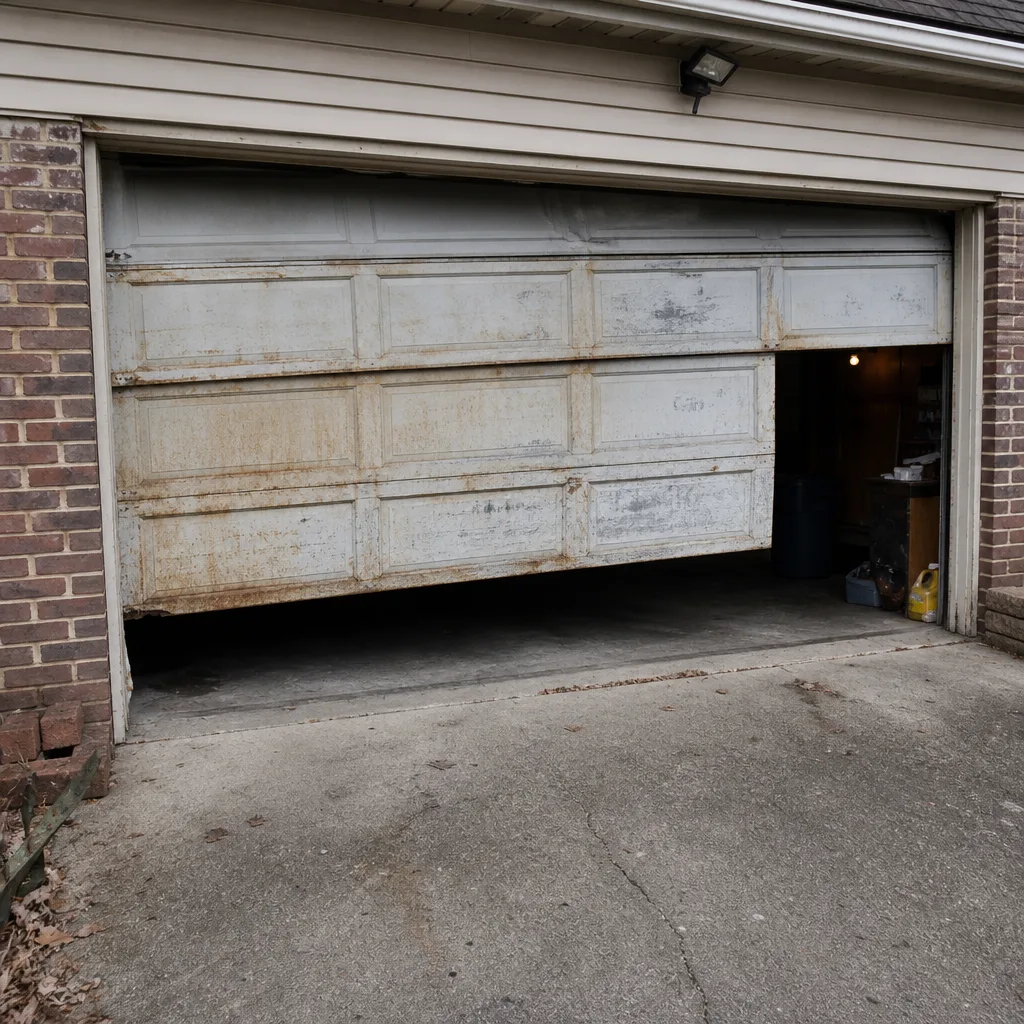 Before
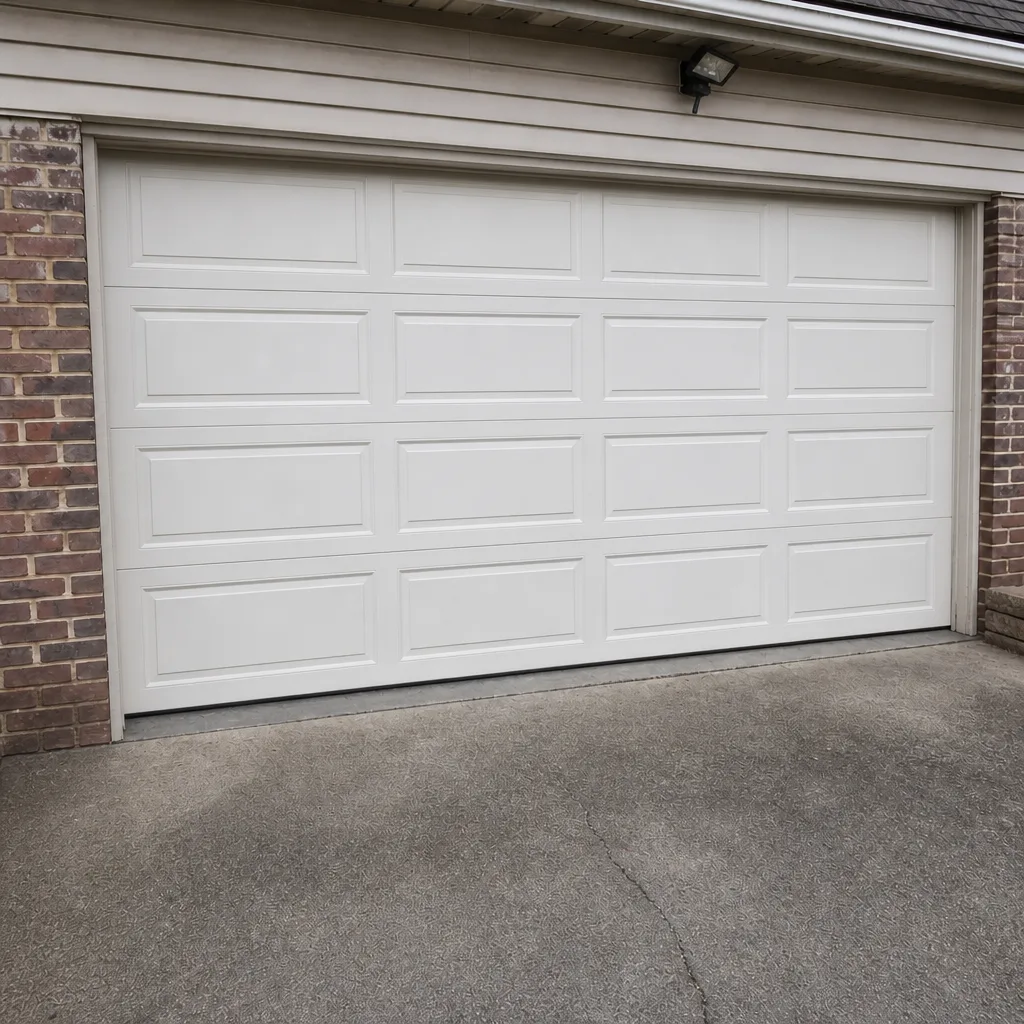 After
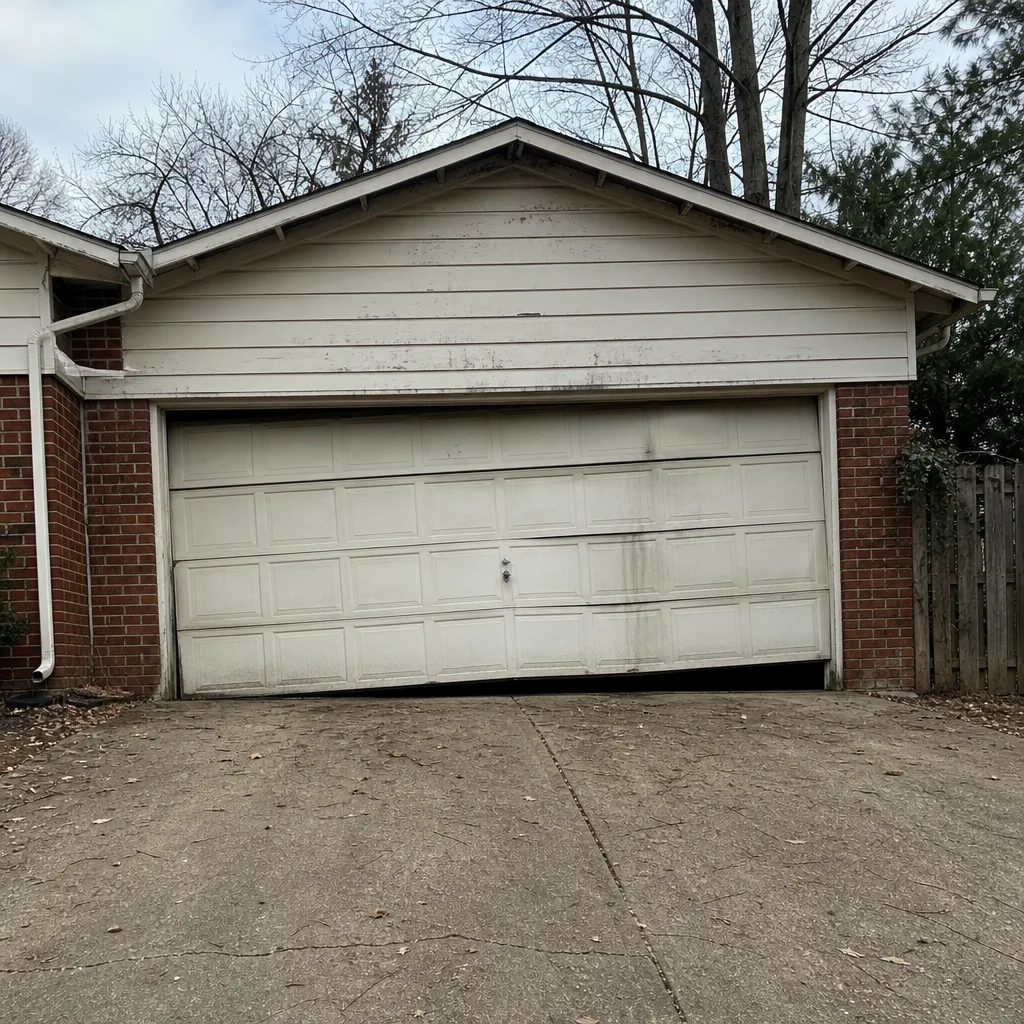 Before
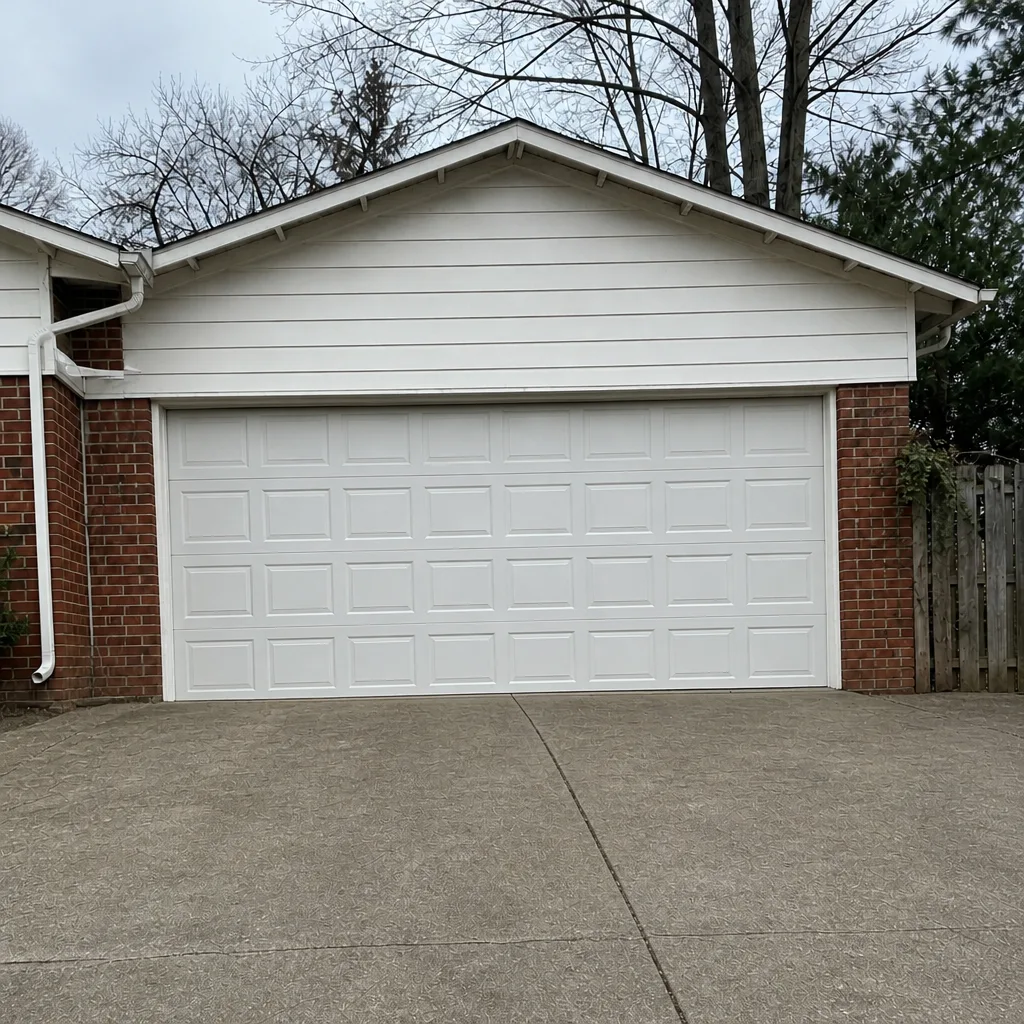 After
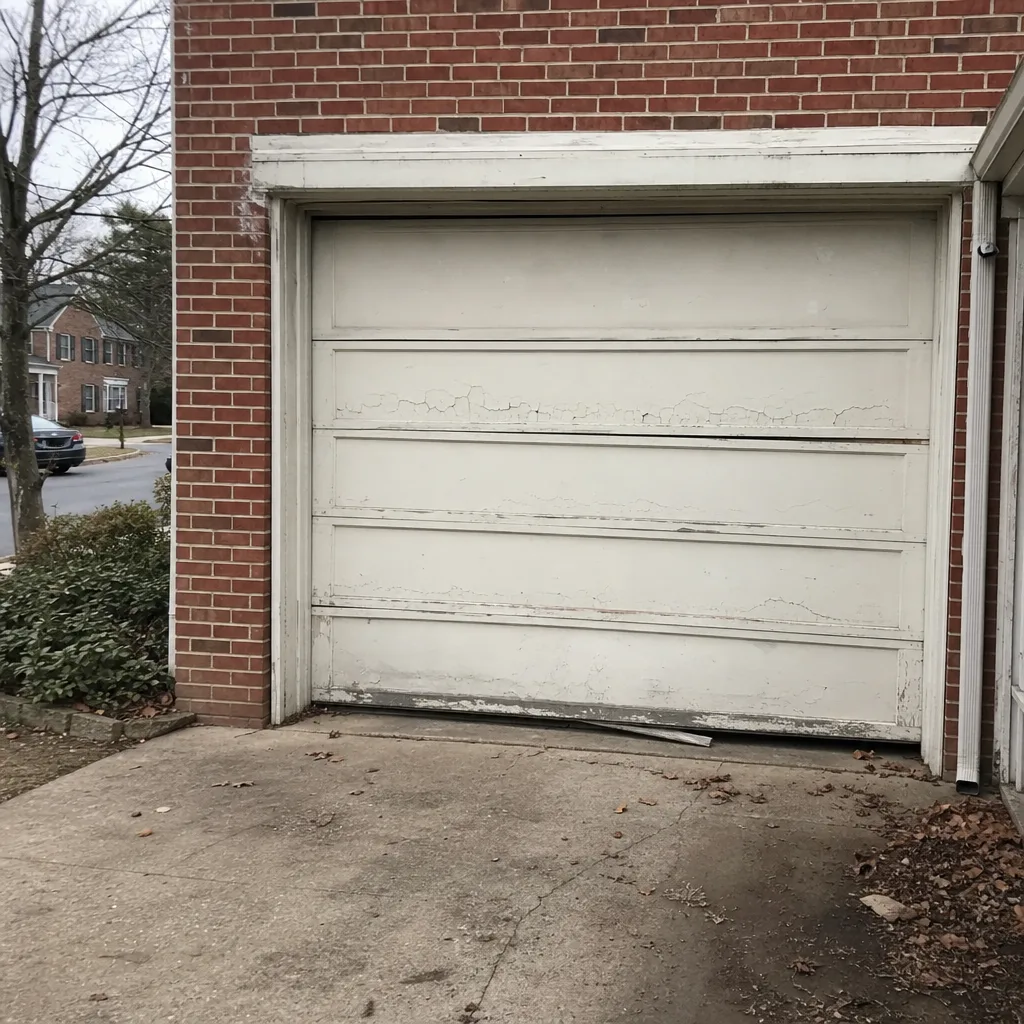 Before
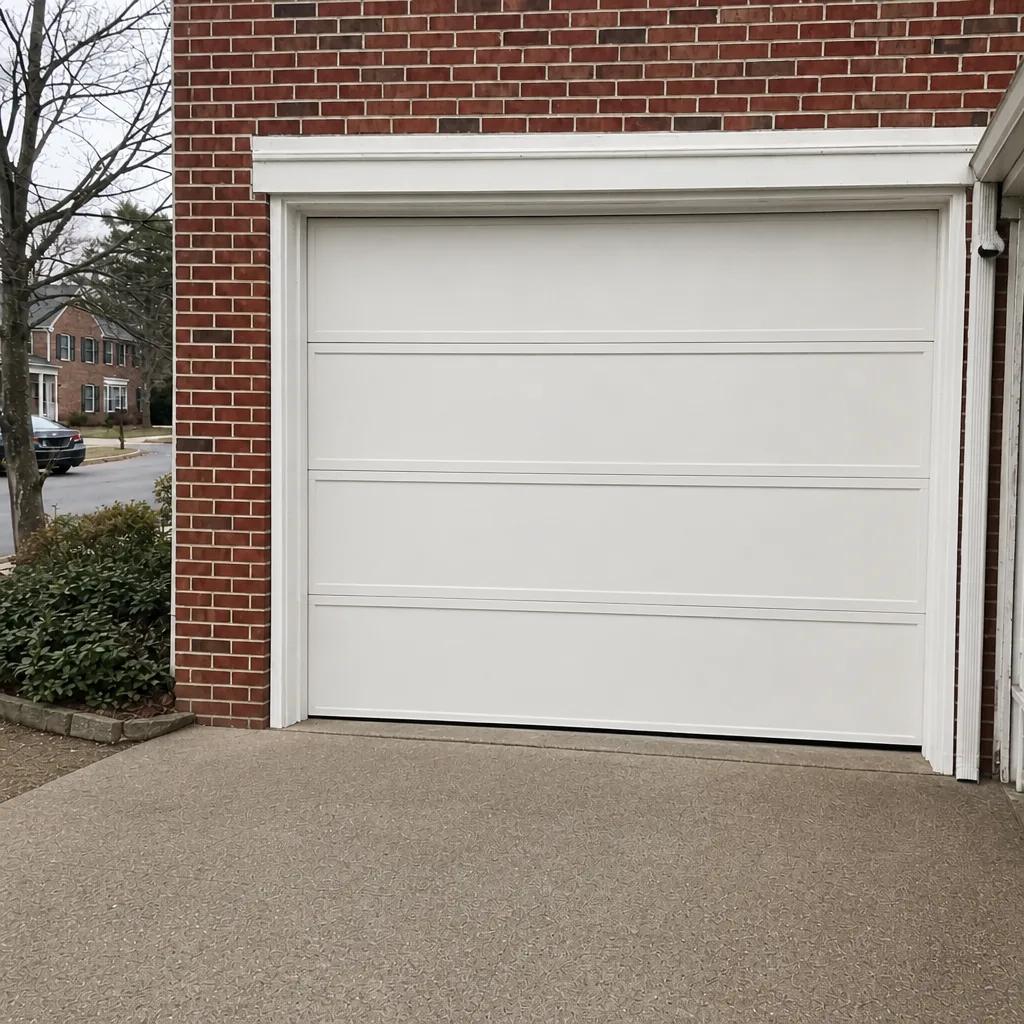 After
When to Call a Professional
Some jobs are fine as a visual check, and some aren’t. Call a professional when a spring is broken or a door won’t lift; when cables are visibly frayed, slack, or off their drum; when a door comes off its track or a section is bent; when the opener reverses, won’t close, or runs but doesn’t move the door; when you’re planning a replacement and need a proper measure and a written price; and whenever your HOA or an architectural review board requires a specific design and you need to know what will actually fit and be approved. Springs and cable work are the clear safety line: don’t attempt them yourself. Paragon Garage Door Repair offers free estimates in Alexandria. Call (866) 812-5587. We answer 24/7, and fast dispatch from 7am to 7pm means we can often get to a failed door the same day.
Frequently Asked Questions
Typical estimates in Alexandria run $180 to $340 for one spring, and a matched pair is usually replaced together, so a pair costs about twice that. The written estimate sets the final price, and we quote it before any work starts. Call (866) 812-5587 for an exact quote; estimates are free.
Often yes. Same-day repair is available for failed doors. We answer 24/7, and fast dispatch from 7am to 7pm gets a technician out to diagnose it. Call (866) 812-5587 and we’ll book the next opening. A call outside dispatch hours is booked into the next opening, Sunday through Friday, 7am to 7pm.
It depends on your property. Many Alexandria HOAs and historic districts have design guidelines that govern door style, panel configuration, and color. Check your HOA documents and ask the city’s building department what applies to your address before you order a door. We can help you confirm the dimensions and product specs you’ll need for the application.
No. We quote and agree the price before any work begins, and the written estimate is the number you pay. For installation and replacement, the price comes from a free measure and a written quote. For repair, we diagnose first and quote the fix before starting.
Yes. Our technicians are licensed and insured, and they have up to 12 years of experience. We work on LiftMaster, Chamberlain, and Genie openers and on Clopay, Amarr, Wayne Dalton, and Raynor doors, so we diagnose the system you already have rather than steering you toward a brand we prefer. Call (866) 812-5587 to schedule a free estimate.
The most common causes are a misaligned or obstructed safety sensor, a travel limit set incorrectly, or a binding track that makes the door harder to move. All three are diagnosable and usually repairable without replacing the door or the opener. Call (866) 812-5587 and we’ll take a look; estimates are free.
The Bottom Line
Garage doors in Alexandria aren’t a one-size decision because the homes here aren’t one size. Check the rough opening and the clearance before you shop, check the HOA and architectural review rules before you order, and have one company specify the door and the opener together so nothing falls between them. Choose steel for most properties and wood only where the character calls for it and you’re ready to maintain it. Repair what can be repaired, and leave spring and cable work to a trained professional. If you want a straight answer on your specific garage, Paragon Garage Door Repair is here for it. Our team serves Alexandria with free estimates, a written price before work starts, and the same standard on every job. Call (866) 812-5587 to get started. We answer 24/7, and fast dispatch from 7am to 7pm, Sunday through Friday.
Written by the team at Paragon Garage Door Repair.